floridachest
  • Welcome
  • Services
    • Lung health services
    • Sleep Medicine
  • Patients
  • Our Team
    • FAQ
  • News
  • About us
  • Contact
  • en English
    • en English
    • es Español
  • Menu Menu
  • Welcome
  • Services
    • Lung health services
    • Sleep Medicine
  • Patients
  • Our Team
    • FAQ
  • News
  • About us
  • Contact

Tag Archive for: sleep medicine

What Types Of Sleep Disorders Can Be Treated With Sleep Medicine?

26 noviembre, 2018/in Sleep Disorders

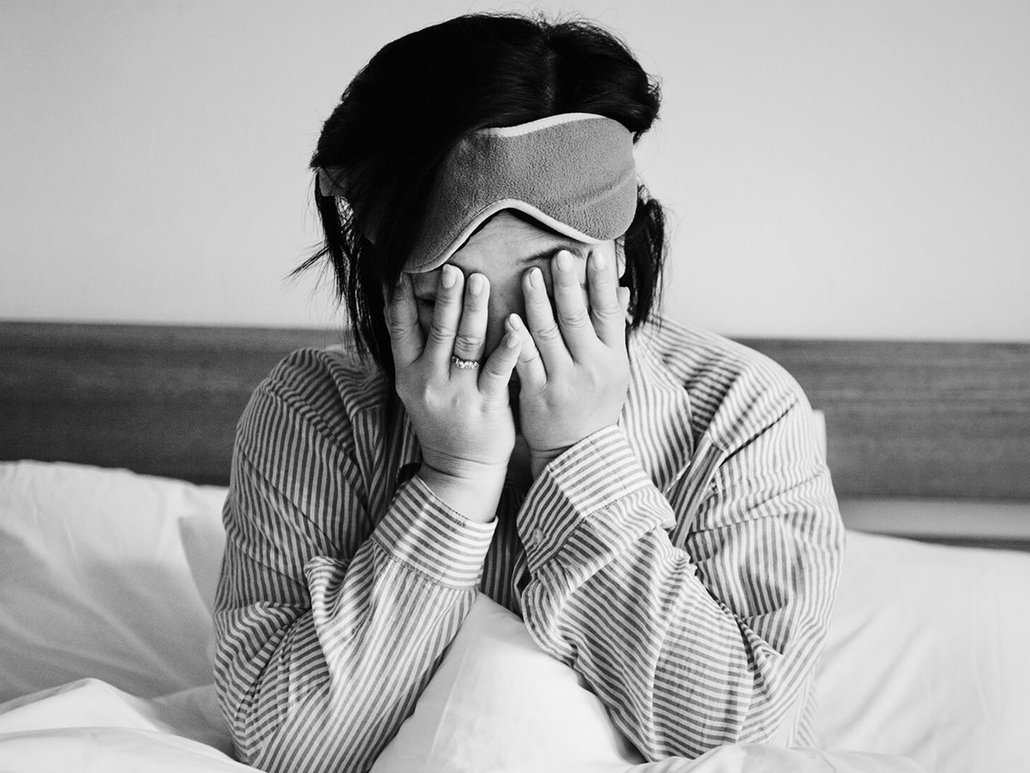
Sleeping difficulties affect more than 75 percent of Americans between the ages of 20 and 59. Poor sleep or difficulty falling asleep can result from a number of factors including stress, poor health, obesity and outside influences. When sleep issues continue to occur on a regular basis and interfere with daily life, they may indicate a sleep disorder. A continued lack of sleep can affect productivity, concentration, mood and overall health.

What are my treatment options?

Knowing how to treat sleep disorders is half the battle. While some less prevalent sleep complications can be easily treated with lifestyle changes such as meditation or avoiding caffeine throughout the day, others require more specialized diagnosis and treatment, which is the case with most chronic sleep disorders. Many people with sleep disorders choose to seek out medical professionals in the sleep medicine field to assist with their sleep disorders treatment.

What is sleep medicine?

Sleep medicine is one way to treat many chronic sleep disorders. Sleep medicine is a practice where trained specialists—or sleep doctors—can assist patients who suffer from disorders or conditions that affect their ability to fall asleep, stay asleep or experience restful sleep. Physicians trained in the field of sleep medicine can research, diagnose, treat, prevent and manage complications surrounding sleep.

What types of sleep disorders can be treated with sleep medicine?

Sleep medicine physicians can treat many sleep disorders and diseases, including:

–        Obstructive sleep apnea

–        Insomnia

–        Narcolepsy

–        Restless Leg Syndrome (RSL)

–        Sleepwalking

–        Central sleep apnea

–        Circadian rhythm disorders

–        Nightmares or night terrors REM behaviors disorder

–        Parasomnias

–        Teeth Grinding

What are some symptoms of sleep disorders?

The first step in treating a sleep issue is recognizing the tell-tale signs of a sleep disorder. Don’t just write your lingering sleep issues off as “too much caffeine” or being “overstressed.” If believe your sleep issues are related to something beyond too much caffeine or stress, you may want to talk to you doctor about seeing a sleep medicine specialist. Some common signs of a sleep disorder are:

–        Difficulty falling asleep or staying asleep

–        Daytime fatigue

–        Exhaustion

–        Irritability or anxiety

–        Falling asleep during the day

–        Urge to take naps during the day

–        Lack of concentration

–        Depression

How are sleep disorders diagnosed? 

Sleep specialists use several researched methods to diagnosed sleep-related issues, including questionnaires, apnographs, overnight sleep studies, screening devices, home sleep studies, polysomnograms and more. Once a sleep disorder is diagnosed, a sleep physician can treat using tailored methods for wellness.

Don’t allow chronic sleep deprivation and exhaustion negatively affect your life any longer. If, like many Americans, you have chronic sleep issues, talk to your doctor about sleep medicine. After specialized treatment from sleep medicine professionals, you may find you have more energy, concentration and productivity than you know what to do with!

https://pulmonaryassociatesofbrandon.com/wp-content/uploads/2018/11/Sleep-Disorder.jpg 948 1263 admin https://pulmonaryassociatesofbrandon.com/wp-content/uploads/2026/10/logotipo.png admin2018-11-26 19:44:112026-10-27 15:55:01What Types Of Sleep Disorders Can Be Treated With Sleep Medicine?

The Complete Checklist For First-Time Pulmonary And Sleep Patients

22 agosto, 2018/in Sleep Disorders, Sleep Medicine

So, you’ve finally taken the plunge and booked an appointment with a pulmonologist! We’re honored to have been your choice for care. Pulmonary Associates of Brandon/Florida Sleep Disorder Center specializes in pulmonary diseases, critical care medicine, and sleep medicine. Our goal is to provide you with exceptional medical care and superior medical service.

If you are a first-time patient at our clinic, you’ll want to make sure that you arrive prepared for your appointment in order to help ensure you have the best visit possible. To get you there, we’ve put together a list of some things you should bring, as well as some other helpful appointment tips:

  • Please print and fill out the New Patient Form prior to your first appointment. Bring in the completed form on the day of your appointment. All patients must fill out pages 2-5; pulmonary patients must also complete page 6 and sleep patients must complete 7-8. If you are both a pulmonary and sleep patient, complete the entire packet.
  • Please bring any recent chest x-rays or other imaging test results to our office. If they are not available to you by flash drive or disk, you can ask that they are sent to our office prior to your appointment.
  • Please bring in a list of all current medications, both prescribed and over-the-counter. Be sure to include the dose and frequency in which you take each.
  • Please bring your insurance card(s) and a photo identification. We are required to verify the identity and insurance eligibility of all of our patients. We are also required to collect any co-payments and/or deductibles at the time services are provided.
  • Bring cash, check or credit card for your co-payment or deductible
  • Write down your questions or issues that you would like to cover with the doctor during your visit so you won’t forget to ask. If questions arise that must be answered before your appointment, be sure to call us at (813) 681-4413. We are available Monday through Friday from 8:00am-5:00pm in the office and through our answering service after hours.
  • Most importantly: bring yourself!

More Information

Make sure to arrive 15 minutes before your appointment. If you cannot fill out the new patient form before your appointment, no problem! Just be sure to arrive 30 minutes before your appointment to fill it at our office. To make the most of your visit, check out these tips from the National Institutes of Health article “Straight Talk for Good Health”. To book an appointment, give us a call today, or click here to book online.

https://pulmonaryassociatesofbrandon.com/wp-content/uploads/2018/08/Checklist.jpg 948 1263 admin https://pulmonaryassociatesofbrandon.com/wp-content/uploads/2026/10/logotipo.png admin2018-08-22 14:30:002026-10-27 19:57:49The Complete Checklist For First-Time Pulmonary And Sleep Patients

10 Ways Visiting Our Sleep Disorder Center Can Help

1 febrero, 2018/in Sleep Medicine

Sleeping in your own bed is probably one of the best things in the world, but when you’re not sleeping properly not even a comfy, familiar bed is enough to make you feel better.

Visiting a sleep disorder center or staying overnight for sleep research studies might seem uncomfortable, awkward, or downright annoying, but it a very easy, informative, and beneficial process that can potentially improve your ability to fall asleep and/or stay asleep, as well as diagnose any unknown sleeping disorders that you might be suffering from.

Here are 10 reasons why you should consider visiting the Florida Sleep Disorder Center in Brandon or Sun City:

1. It will make you feel better! Most importantly, the experienced team at the Florida Sleep Disorder Center can help you live a healthier, more rested life. Suffering from a sleep disorder is very detrimental to your general quality of life (and maybe even your partner’s). Through state of the art diagnostic testing and quality care, the experts at our Florida Sleep Disorder Center may be able to not only diagnose the source of your sleeping woes, but also help you come up with an appropriate treatment plan that will improve your quality of life.

2. The experts at Florida Sleep Disorder Center have over 30 years of experience diagnosing pulmonary and sleep conditions. Their team has helped thousands of people with sleep disorders get on the road to happy, healthy, restful sleep. Their physicians are board certified in Internal Medicine, Critical Care, Pulmonology and Sleep Medicine, so you know you’ll be getting the best treatment and care available.

3. In-lab testing is easy and comfortable. Some patients are nervous about staying overnight at the Florida Sleep Disorder Center, and they imagine it’s probably like spending the night at a hospital. But, the accommodations are actually very relaxing and comfortable! Each bedroom is furnished with a queen-sized bed, reading material, a lamplight, and a television. It is almost like staying in a hotel.

4. The Florida Sleep Disorder Center offers both in-lab and at home diagnostic testing. If you’re lucky enough, you may be able to take the diagnostic test at home.

5. An accredited sleep specialist can determine which disorder is affecting you. The specialists at the Florida Sleep Disorder Center are uniquely qualified to analyze your symptoms and determine which sleep condition may be impacting your life. They have many diagnostic tools and years of experience at their disposal.

6. It may be hard to determine which sleep disorder you have elsewhere. The term “sleep disorder” is an umbrella term that encompasses many different conditions such as sleep apnea or obstructive sleep apnea syndrome (OSAS), narcolepsy, insomnia, and restless leg syndrome (RLS). There are hundreds of sleep-related disorders, and unless your regular doctor also specializes in Pulmonology or Sleep Medicine then it’s unlikely that they’ll be able to identify which sleep disorder you have. It’s better to visit a specialist who’s been studying sleep disorders for decades and is specifically trained to diagnose and treat these types of conditions.

7. Loud snoring can be more serious than expected. Snoring loudly is certainly a bother to one’s partner, but it could also be a serious sign of breathing complications or stress on vital organs. So, whether or not you think it’s serious, it’s probably best to let a specialist decide.

8. Treating your sleep disorder will benefit your waking life. Jobs, relationships, health, safety, and productivity are all negatively impacted by fatigue. If these areas are suffering, then it may be because you are not getting enough restful sleep. We can help you regain your energy, motivation, and drive simply by addressing and improving the way in which your sleep.

9. More than 100 million Americans fail to get adequate sleep. A variety of sleep disorders affect people of all ages, and these disorders affect patients in a myriad of different ways from depression to heart problems. These causes are very serious and should be prevented as much as possible, let us help!

10.  A good night’s sleep is more important than you may realize. Not only does restful sleep help your mood and appearance, it also benefits your heart, weight, and mind. Sleep is a basic necessity of life, as important as food, air, or water.

We hope we have convinced you to try out our sleep research studies if you think you may be suffering from a sleep disorder. In any case, you’re probably more informed now then you were before! Unsure whether you have a sleep disorder, want to improve your sleep and live a healthier life? Book an appointment and give us a visit!

https://pulmonaryassociatesofbrandon.com/wp-content/uploads/2018/02/Sleep-Disorder-02.jpg 948 1263 admin https://pulmonaryassociatesofbrandon.com/wp-content/uploads/2026/10/logotipo.png admin2018-02-01 18:11:002026-10-27 22:17:0410 Ways Visiting Our Sleep Disorder Center Can Help

Walking You Through A Night In A Sleep Study

6 octubre, 2017/in Clinical Research Studies

Over 60 million people suffer from sleep disorders that hurt their health and jeopardize their safety. In addition to that, The National Highway Traffic Safety Administration claims over 1,500 lives are lost every year from traffic accidents due to lack of sleep. Looking at the facts above, it’s impossible to disagree that finding out what causes your sleep problems – aka participating in a sleep study – is crucial to your health.

Now let’s imagine: your doctor has ordered a sleep study to find out what causes your insomnia, restless leg syndrome, narcolepsy, sleep apnea, etc., and you’re wondering what a sleep study involves and why you need to have one in the first place. It’s a legitimate question, one we hear from patients all the time, so that’s why we’re walking you through exactly what a sleep study is and the various aspects that it involves.

Why You Should Participate In A Sleep Study

When you have trouble with snoring, waking up frequently, or are tired when you get up in the morning, you are a perfect fit for a sleep study. Moreover, if you experience restless leg syndrome or your insomnia lasts more than two weeks, it’s time for you to find the cause. Problems associated with sleep require medical attention because you never know what damage they can cause or how they will affect your body.

At first, you often don’t experience any major health issues, except for being sleepy and lacking energy and concentration most of the time you are awake. But once the sleep-related stress accrues in your body, the reaction is always unpredictable and can cause serious unexpected life problems. Sleep studies are one of the best ways to identify any sleeping disorders you may be struggling from and will help give your doctor a better idea of how to create a tailored treatment plan to resolve your specific symptoms.

What Is A Sleep Study?

A sleep study is a non-invasive procedure that requires you to sleep one or two nights at the clinic. During the procedure, the sleep technologist will monitor your organism to identify what causes your sleep disorder and what treatment options would be the most responsive to your system. 

Sleep Study Highlights: How It Works

  • Before the sleep study, you will have to fill out the new patient sleep form and disclose a complete medical, surgical, and sleep history.
  • Many insurances cover sleep studies, so be sure to list your plan in the form and talk to the staff about your coverage before the study begins.
  • After the initial consultation, you will be admitted to a sleep study.
  • You should bring your everyday medications and comfortable sleeping attire with you to your sleep study. If you normally have a snack or drink before bedtime, please bring that as well. Unfortunately, family and pets are not allowed to stay with you during a sleep study.
  • Don’t worry about your comfort, we’ve got you covered! Our sleep study rooms are designed as personal bedrooms with a bed, TV, and refrigerator. 
  • You will arrive at 8:45 p.m. and leave at 6 a.m. the next morning.
  • Overnight you will be monitored by a sleep technologist who places electrodes and monitors on different parts of your body. A sleep technologist will monitor your brain waves, eye movements, muscle tone, heartbeat, lungs, and breathing during the entire night. The information recorded will help the physicians to make a precise diagnosis and figure out what causes your sleep issues in particular.
  • When a diagnosis is made, your physician may want you to undergo another sleep study in order to determine the best treatment for your condition.
  • The second study that would determine the best treatment uses a CPAP machine that provides continuous positive airway pressure. The process helps to find the right air pressure to eliminate your sleep interruption.

Where To Undergo A Sleep Study

Finding the right center for a sleep study might be quite challenging, as it requires a lot of preliminary research and preparation. Considering various options, don’t forget to check out our Florida Sleep Disorder Center that provides sleep studies and help you to get to the root of the problem. Additionally, if you want to find comprehensive treatment for your sleep disorder, just call the Florida Sleep Disorder Center to make an appointment for a sleep study. Our certified personnel will be happy to address any questions and concerns regarding your sleep and much more.

https://pulmonaryassociatesofbrandon.com/wp-content/uploads/2017/10/Sleep-Study.jpg 948 1263 admin https://pulmonaryassociatesofbrandon.com/wp-content/uploads/2026/10/logotipo.png admin2017-10-06 14:31:002026-10-27 22:21:54Walking You Through A Night In A Sleep Study

Sleep Study Costs: Does Insurance Pay for Sleep Studies?

4 agosto, 2017/in Sleep Medicine

Polysomnography? Oh gosh, that sounds expensive.

Well really, it is just the fancy word doctors use for a sleep study. Sleep studies are overnight exams that doctors conduct to diagnose sleep disorders. During the study, REM cycles, non-REM cycles, oxygen levels, eye movements, and heart rates are all observed by our sleep specialists who evaluate any issues the patient has during sleep. The most common sleep disorders our doctors find in patients during sleep studies are insomnia, sleep apnea, restless leg syndrome, and narcolepsy.

So, if sleep studies help answer important questions about a patient’s sleep health and are integral to creating a treatment plan… does insurance cover the sleep studies and if not, how much do the studies cost?

How much does a sleep study cost?

Yes, sleep studies are usually covered by health insurance.

Most sleep disorder centers are just like a regular doctor’s office and accept multiple insurance plans. This can make the entire process of going through a sleep study much easier, though it is always smart to check with your insurance company and plan first to see if they cover sleep study costs. Insurance companies are there to help, so never be afraid to ask questions.

There is no real estimate of how much a sleep study could cost. Some sleep disorder clinics could charge as little as $600 while some charge up to $5,000 a night. Because of the varying prices of studies, the amount of money insurance covers also varies.

When a patient pays their deductible for their insurance can affect how much money they are paying out of pocket as well.

Co-Payments for Sleep Studies

Co-payments are always due at the times of service, however. These co-payments can vary depending on the services being provided and how often they are being provided. These co-payments are not covered by any insurance plans and can be made with cash, check, or credit card.

Other Fees

Other fees that can come up while going through the process of a sleep study are ones that come with further testing. The doctor might want x-rays or labs that some insurance companies might not cover. Once again, it is always smart to check first, so there is no surprise when the bill comes.

The Importance of Sleep

If an insurance company is giving a patient a hard time, most sleep disorder centers will help back up the patient on the importance of the process. Not only does sleep help mental health, but it is also important for a person’s physical health. Sleep deficiency caused by disorders is found to increase heart and kidney disease, diabetes, and high blood pressure. Sleep studies that pinpoint a patient’s problem can be the first step in the process to prevent these further and more serious issues.

Fees Down the Road

Remember, a sleep study is to figure out what is going wrong with your sleep cycle. Because of this, there could be more fees for treatment, medication or other types of solutions. Sleep Apnea, for example, requires additional sleep studies and tests because of the severity of the problem. Keep this in mind and plan ahead with your insurance company.

https://pulmonaryassociatesofbrandon.com/wp-content/uploads/2017/08/Polysomnography.jpg 948 1263 admin https://pulmonaryassociatesofbrandon.com/wp-content/uploads/2026/10/logotipo.png admin2017-08-04 19:10:322026-10-27 22:25:18Sleep Study Costs: Does Insurance Pay for Sleep Studies?

What Is the Circadian Rhythm And How Does It Affect Sleep?

21 julio, 2017/in Sleep Medicine

If you have trouble getting to sleep or waking up at a normal hour, then you may have heard someone tell you that your circadian rhythm may be off. But what is circadian rhythm exactly? How does this sleep disorder affect your ability to sleep?

The short answer is that your circadian rhythm is your internal body clock, a roughly 24-hour cycle that dictates when you feel drowsy and when you feel alert. According to Dr. Rolando Sanchez, “the circadian rhythm is a cycle of hormones that tells you when to sleep. Some people, such as overnight workers, are more prone to have circadian problems.”

How Does the Circadian Rhythm Disorder Work?

So what are circadian rhythms? The word circadian comes from two Latin words circa (meaning around) and Diem (meaning day), which means that a circadian rhythm is any endogenous biological timing mechanism that works on a 24-hour cycle. Endogenous means that it is internal and self-sustained, but in the case of human circadian rhythm it is also regulated and adjusted by external factors such as exposure to sunlight, temperatures, and sleep schedule.

The circadian rhythm is regulated by the hypothalamus, a region in the brain. The hypothalamus is the area of the brain that is responsible for the creation of many hormones and the maintenance of homeostasis, or the body’s status quo. Hypothalamic hormones regulate temperature, thirst, hunger, mood, sex drive, and sleep. The hypothalamus is also responsible for distributing hormones throughout the rest of the body.

Melatonin is one of these hormones that is regulated in the hypothalamus. Melatonin is distributed in accordance with light exposure. At night, when it is dark your eyes send a signal to your hypothalamus which then sends a signal to the body to release melatonin which makes you tired. This tends to happen relative to the 24-hour cycle of the circadian rhythm, but that rhythm can get out of sync if a person is habitually not exposed to light.

> Sleep Medicine Treatment Options

Circadian Rhythm Disorders:

The key feature of circadian rhythm sleep disorder is continuous or occasional disruptions in sleep patterns. To put it simply, they are disruptions in a person’s circadian rhythm. These disorders come in a few different forms, but they are usually caused by a mismatch in the hormone cycle of the rhythm and the external factors that influence it. So, people who work nonstandard hours or live in areas that stay light or dark for extended periods of time are most likely to be affected.

Scientists are still doing research on circadian rhythm sleep, and other possible causes and risk factors for disorders. Some studies suggest depression, obesity, diabetes, and bipolar disorder as being linked to circadian rhythm disorders. Let’s look at a few common disorders:

  • Jet Lag: You have probably experienced this or known someone who has experienced jet lag but never known that it is a disorder of your circadian rhythm. The conflict between the body’s internal rhythm and the new time zone can cause disruptions in sleep patterns. But this condition typically goes away in a short amount of time.
  • Shift Work Disorder: This affects people who frequently rotate shifts or work at night. Forcing yourself to stay awake all night habitually can cause the mismatch in your body clock that disrupts sleep patterns and leads to insomnia and excessive sleepiness.
  • Delayed Sleep Phase Disorder: This disorder typically occurs in adolescents and young adults. It results in people who cannot get to bed until 2 a.m. or later, and can lead to impairment at work or school and daytime sleepiness. Unlike jet lag, this is a recurring condition that can persist for years.
  • Advanced Sleep Phase Disorder: This disorder is typically seen in the elderly. It can be identified by early bedtimes and early morning awakening. People with this disorder may wake up at 3 a.m. and not be able to get back to sleep. This is also a recurring condition that can persist for years.
  • Narcolepsy: Narcolepsy can be a serious problem in which people experience intense daytime sleepiness and uncontrollable episodes of falling asleep in the daytime despite getting adequate sleep at night.

More Information on Circadian Rhythm Disorder

Sleep deprivation can be a very serious thing, and if you experience it you should undergo a sleep study to see what is causing it. The Pulmonary Associates of Brandon offer state of the art equipment and comfortable environments to undergo sleep studies and get you on the way to restful, normal sleep.

https://pulmonaryassociatesofbrandon.com/wp-content/uploads/2018/03/Insomnia.jpg 948 1263 admin https://pulmonaryassociatesofbrandon.com/wp-content/uploads/2026/10/logotipo.png admin2017-07-21 18:55:122026-10-27 22:26:38What Is the Circadian Rhythm And How Does It Affect Sleep?

Search

Search Search

Table of Content

Categories

Archive

Search

Search Search

Where Quality Care is Just a Breath Away!

  • Privacy Policy

Menu

  • Welcome
  • Services
    • Lung health services
    • Sleep Medicine
  • Patients
  • Our Team
    • FAQ
  • News
  • About us
  • Contact

Opening Hours

Mo-Fr: 8:00-22:00
Sa: 8:00-24:00
So: 8:00-14:00

Call us or send a message

To request an appointment.
Call 813-681-4413, ext. 227.

Not for emergencies. If you are having a medical emergency, call 911. For urgent concerns, call our office at 813-681-4413.

Scroll to top Scroll to top Scroll to top