floridachest
  • Welcome
  • Services
    • Lung health services
    • Sleep Medicine
  • Patients
  • Our Team
    • FAQ
  • News
  • About us
  • Contact
  • en English
    • en English
    • es Español
  • Menu Menu
  • Welcome
  • Services
    • Lung health services
    • Sleep Medicine
  • Patients
  • Our Team
    • FAQ
  • News
  • About us
  • Contact

How To Sleep Well When Switching Time Zones

2 noviembre, 2018/in Sleep Disorders, Sleep Medicine

Whether you’re busy racking up frequent flier miles traveling for work or just enjoy spending your vacation time jet-setting to distant locations, chances are you’ve experienced some jet lag. This is especially common when traveling to different time zones. Every day, millions of travelers struggle against jet lag, one of the most common sleep issues.

Studies have shown that the condition of jet lag results from disruptions to your body’s 24-hour circadian rhythm—otherwise known as your biological clock–caused by traveling to a different time zone. When traveling to a new time zone, our circadian rhythms are slow to adjust and remain on their original schedule for a few days. The outcome is difficulty falling asleep according to a new time schedule. You might be wondering how to get a good night sleep while also being able to travel to new time zones.

The good news is some simple behavioral adjustments can help minimize the side effects of jet lag.

Revamp Your Sleep Schedule

Anticipate time changes by getting up and going to bed earlier or later in the days prior to adjust to the new time zone. Try to avoid naps or going to bed right when you arrive, as these practices may keep you up longer.

Change Your Watch

While on the plane, be sure to adjust your watch to reflect the time zone you’re traveling to. Most Smartphones will automatically correct to the new time zone once you land.

Avoid Caffeine and Alcohol

Avoiding caffeine—or alcohol, for that matter—at least 3-4 hours before bed can help you avoid stimulant-caused issues with sleeping. Alcohol has also been known to worsen the symptoms of jet lag.

Stay Hydrated

Changes in altitude can dehydrate you more easily, whether it’s while on the plan or if you’re heading to a place at higher altitude. Be sure to drink plenty of water before and during your flight. Dehydration makes it more difficult for your body to adjust to a new rhythm.

Exercise—But Early

Exercise or movement during the day may help you fall asleep more easily in a new time zone. But be sure to avoid exercising too close to bedtime, which will most likely keep you awake.

Get Outside

When possible, try to get outside and be in the sunlight. Daylight is a powerful tool for regulating or resetting your biological clock and balancing your circadian rhythm.

Block it Out

Bringing earplugs and a sleep mask will help to reduce noise and block out the light while attempting to fall asleep.

Avoid Travel-Related Stress

Bringing elements of home, like your favorite pillow or blanket, can ease the nagging feeling of being in a new environment. Have the front desk send any hotel calls to voicemail and request a wake-up call in the morning in case you sleep through your alarm.

Find Your Perfect Sleep Environment

Whether we realize or not, most of us are affected by changes to temperature, noise, altitude, sleep surface and other environmental factors. Be cognizant of which factors affect you and ensure that you do your best to make your sleep environment a nurturing one.

Adjusting to time zones can be tricky, but if you practice these tips coping with or avoiding jet lag can be a much easier feat.


https://pulmonaryassociatesofbrandon.com/wp-content/uploads/2018/11/SleepTimeZones.jpg 948 1263 admin https://pulmonaryassociatesofbrandon.com/wp-content/uploads/2026/10/logotipo.png admin2018-11-02 17:39:572026-10-27 18:52:32How To Sleep Well When Switching Time Zones

The Complete Checklist For First-Time Pulmonary And Sleep Patients

22 agosto, 2018/in Sleep Disorders, Sleep Medicine

So, you’ve finally taken the plunge and booked an appointment with a pulmonologist! We’re honored to have been your choice for care. Pulmonary Associates of Brandon/Florida Sleep Disorder Center specializes in pulmonary diseases, critical care medicine, and sleep medicine. Our goal is to provide you with exceptional medical care and superior medical service.

If you are a first-time patient at our clinic, you’ll want to make sure that you arrive prepared for your appointment in order to help ensure you have the best visit possible. To get you there, we’ve put together a list of some things you should bring, as well as some other helpful appointment tips:

  • Please print and fill out the New Patient Form prior to your first appointment. Bring in the completed form on the day of your appointment. All patients must fill out pages 2-5; pulmonary patients must also complete page 6 and sleep patients must complete 7-8. If you are both a pulmonary and sleep patient, complete the entire packet.
  • Please bring any recent chest x-rays or other imaging test results to our office. If they are not available to you by flash drive or disk, you can ask that they are sent to our office prior to your appointment.
  • Please bring in a list of all current medications, both prescribed and over-the-counter. Be sure to include the dose and frequency in which you take each.
  • Please bring your insurance card(s) and a photo identification. We are required to verify the identity and insurance eligibility of all of our patients. We are also required to collect any co-payments and/or deductibles at the time services are provided.
  • Bring cash, check or credit card for your co-payment or deductible
  • Write down your questions or issues that you would like to cover with the doctor during your visit so you won’t forget to ask. If questions arise that must be answered before your appointment, be sure to call us at (813) 681-4413. We are available Monday through Friday from 8:00am-5:00pm in the office and through our answering service after hours.
  • Most importantly: bring yourself!

More Information

Make sure to arrive 15 minutes before your appointment. If you cannot fill out the new patient form before your appointment, no problem! Just be sure to arrive 30 minutes before your appointment to fill it at our office. To make the most of your visit, check out these tips from the National Institutes of Health article “Straight Talk for Good Health”. To book an appointment, give us a call today, or click here to book online.

https://pulmonaryassociatesofbrandon.com/wp-content/uploads/2018/08/Checklist.jpg 948 1263 admin https://pulmonaryassociatesofbrandon.com/wp-content/uploads/2026/10/logotipo.png admin2018-08-22 14:30:002026-10-27 19:57:49The Complete Checklist For First-Time Pulmonary And Sleep Patients

Sleep 101: Exploring The Difference Between Nightmares And Night Terrors

26 julio, 2018/in Sleep Disorders, Sleep Medicine

Have you ever woken up and wondered whether the terrifying dream you had the night before was actually a nightmare? Some nightmares can seem so real that we later wonder whether they occurred. In some cases, they may even leave us a little bit fearful or distressed. Nightmares are somewhat common and happen to almost everyone at some point in their life. Night terrors, on the other hand, are similar to nightmares but much less common and may require the care of a specialist.

At this point, you may be wondering, what is a night terror? There is actually a big difference between nightmares and night terrors, and it’s easy to tell them apart once you know the symptoms of each, which we will discuss. In addition, we’ve also listed out some tips to help you determine when you should seek medical care for your night terrors.

What Is A Night Terror?

Night terrors, also known as sleep terrors, are a kind of parasomnia that induces terror or panic in the dreamer, causing them to scream, shout, sleepwalk, or thrash about violently. The condition, which is typically associated with post-traumatic stress disorder, can make it very hard to wake while dreaming, and typically the person remembers little of the dream in the morning.

The condition is typically not considered dangerous, though it can evolve to become dangerous if the dreamer begins to show signs of aggression towards others or themselves. For some, it may cause a lot of distress or trouble sleeping, in which case it may also be advisable to seek medical care.

How Nightmares and Night Terrors Differ:

The difference between nightmares and night terrors comes down to the intensity of the dream, and whether or not the person experiencing it wakes up from their panic. While nightmares can be very frightening, they are typically experienced silently and do not cause the person to move around as they are experienced during REM sleep. Here are a few other key differences:

  • Nightmares make people wake up from their dreams, whereas night terrors occur when people remain asleep. It is extremely difficult to wake up someone having a night terror and we don’t recommend that you do.
  • Nightmares typically occur in the last half of the night “during REM sleep), while night terrors typically occur in the first half of the night (during non-REM sleep).
  • Nightmares can cause people to thrash about, cry, kick, talk or even yell in their sleep; however, these actions rarely result in injury. Night terrors, on the other hand, can cause people to sit up in bed, scream, kick, sweat, stare with open eyes, run about, and even have aggressive behavior.

When To Seek Medical Attention For Night Terrors

Consult your doctor if your night terrors:

  • Grow in frequency and become “the norm,” especially as you mature into adulthood
  • Consistently disrupt the sleep of you or others to a point that it is impacting your life
  • Make you or others afraid to fall asleep
  • Cause you to be violent, leading to injury of yourself or others
  • Appear to follow the same pattern each time you experience night terrors

More Information

It is important to understand the difference between nightmares and night terrors, so if you’re still unsure of what you’re experiencing, it’s safer to ask your physician. If the symptoms of your night terrors are persistently and negatively impacting your life, it is time to get help. In many cases, a sleep study can quickly identify the issue and our sleep specialists can recommend the best source for treatment. If you would like to learn more about our sleep studies and our sleep medicine, feel free to contact us today or book an appointment.

https://pulmonaryassociatesofbrandon.com/wp-content/uploads/2018/07/Nightmares-And-Night-Terrors.jpg 948 1263 admin https://pulmonaryassociatesofbrandon.com/wp-content/uploads/2026/10/logotipo.png admin2018-07-26 20:21:002026-10-27 20:14:53Sleep 101: Exploring The Difference Between Nightmares And Night Terrors

How Sleep Apnea Can Increase Your Risk Of Having A Stroke

5 julio, 2018/in Sleep Disorders, Sleep Medicine

Having sleep apnea is typically synonymous with loud bouts of snoring, and short periods of breath-holding. Generally, most people go on about their lives (or sleep) without getting treatment for their symptoms of sleep apnea. But, sleep apnea is a much more serious condition than many realize and can slowly deteriorate a person’s health, eventually causing a complication.

One of the biggest dangers of sleep apnea is how it can significantly increase a person’s risk of having a stroke. Here’s everything you need to know about sleep apnea and sleep apnea stroke related incidence.

What Causes Sleep Apnea

The most common type of sleep apnea is Obstructive Sleep Apnea Syndrome (OSAS). This type of sleep apnea is caused by a blockage in the airway, usually because the soft tissue in the back of the throat collapses while breathing at night. The other kind of sleep apnea is Central Sleep Apnea Syndrome. This type of sleep apnea is caused when the brain fails to signal the muscles to breathe when you are sleeping.

Some risk factors can also contribute to a person developing sleep apnea or suffering from a stroke. For example, it’s important to note that sleep apnea is most common in men between the ages of 35 and 70, and more than half of the men who have it are overweight. Furthermore, more than half of the people who have a stroke also suffer from sleep apnea.

Some other risk factors include:

  • Neck circumference: Fatty deposits around the neck can lead to the obstruction of airways.
  • A narrowed airway: This can be genetic, or caused by enlarged tonsils/adenoids.
  • Family history: If your relatives suffer from OSAS, your risk is greater.
  • Use of alcohol, sedatives, or tranquilizers: These tend to relax the muscles in your throat.
  • Smoking: Smokers are three times more likely to develop OSAS. Smoking also leads to inflammation and irritated airways.
  • Nasal Congestion: Either because of your anatomy or allergies, you are more at risk for developing OSAS.

Sleep Apnea Stroke-Related Complications

Sleep apnea is mainly characterized by a lapse in breathing for 10 seconds or more. This continual lack of oxygen can cause increased levels of hormone, which in turn can cause high blood pressure, and untreated high blood pressure can lead to cardiovascular complications. Furthermore, Obstructive Sleep Apnea impacts the heart’s functionality and the lack of oxygen causes a lot of stress on the heart, which over time can lead to a stroke or a heart attack.

More Information

If you’re unsure whether you are suffering from the symptoms of sleep apnea, it’s important that you seek a diagnosis at our sleep center. With proper treatment, sleep apnea is manageable and will likely not lead to any more serious complications. To determine a proper treatment or to seek a diagnosis, please contact us today to book an appointment with one of our sleep specialists.

https://pulmonaryassociatesofbrandon.com/wp-content/uploads/2018/07/Sleep-Apnea.jpg 948 1263 admin https://pulmonaryassociatesofbrandon.com/wp-content/uploads/2026/10/logotipo.png admin2018-07-05 16:02:132026-10-27 20:22:33How Sleep Apnea Can Increase Your Risk Of Having A Stroke

9 Tips On How To Get Over Jet Lag

28 junio, 2018/in Sleep Medicine

If you’re a frequent flier kind of person then you’re probably used to dealing with shifting time zones, but if you’re just someone trying to enjoy a vacation or to get through a far-away business trip then chances are you don’t want to deal with jet-lag.

Studies have shown that jet lag results from disruptions to your body’s 24-hour circadian rhythm — otherwise known as your biological clock. When traveling to a new time zone, our circadian rhythms are slow to adjust and remain on their original schedule for a few days. The outcome is difficulty falling asleep or remaining awake. The good news is that some simple behavioral adjustments can help minimize jet lag symptoms. Here are 9 tips you should know for how to get over jet lag.

How To Get Over Jet Lag

1. Revamp Your Sleep Schedule

Anticipate time changes by getting up and going to bed earlier or later in the days prior to adjusting to the new time zone. Try to avoid naps or going to bed right when you arrive, as these practices may keep you up longer. You may even want to adapt your meal schedule pre-trip to be closer to the time when you’ll be eating them in the new time zone, this will help your circadian rhythm begin to adjust.

2. Change Your Watch

While on the plane, be sure to adjust your watch to reflect the time zone you’re traveling to, that way once you land, your watch (and your mind) will be in the right time frame. If you have a smartphone or a smartwatch, they will automatically correct to the new time zone once you land.

3. Avoid Caffeine and Alcohol

Just as in your own time zone, avoid drinking caffeine and/or alcohol at least 3 to 4 hours before bed to avoid issues falling or staying asleep. Alcohol has also been known to worsen the symptoms of jet lag.

4. Stay Hydrated

Being at a higher altitude can cause dehydration more easily than lower altitudes, so whether it’s while you’re on the plane or while you’re heading up to a place at higher altitude, be sure to drink plenty of water. Dehydration makes it more difficult for your body to adjust to a new rhythm and it’s what causes “mountain sickness.”  

5. Exercise Early

Exercise or movement during the day may help you fall asleep more easily in a new time zone. That being said, be sure to avoid exercising too close to bedtime, which will more likely keep you awake. Instead, try exercising in the morning – not only will it set you up for the rest of your day, it’ll also help your circadian rhythm adapt to the new time zone more quickly.

6. Get Outside

When possible, try to get outside and be in the sunlight — you’re in a new city after all! Sunlight is a powerful factor for regulating or resetting your biological clock and balancing your circadian rhythm. So, even if you go thousands of miles east or west, if you stay outdoors for the majority of the time, you’ll likely adjust to the new time zone much quicker.

7. Block It Out

If you’re not really about the quick time zone adjustment strategy and simply want to get your rest when you want it, just make sure to bring earplugs and a sleep mask to help reduce noise and block out the light while attempting to fall asleep. You can even invest in some light-blocking drapes for the windows.

8. Avoid Travel-Related Stress

Bringing elements of your home, like your favorite pillow or blanket, can ease the unsettling feeling of being in a new environment. And to make sure you’re not waking up in a fright thinking you’ve missed your alarm, simply request a wake-up call in the morning from the front desk of the hotel. Alternatively, to avoid being woken by unwanted calls, ask the front desk to send any hotel calls to voicemail.

9. Find Your Perfect Sleep Environment

Whether we realize it or not, most of us are affected by changes in temperature, noise, altitude, sleep surface and other environmental factors. Be cognizant of which factors affect you and ensure that you do your best to make your sleep environment a nurturing one. This may mean making your room cooler, sleeping with the right amount of blankets, having white noise in the background (such as a fan), using the right pillow, and staying hydrated to avoid getting altitude sickness.

More Information

Adjusting to time zones can be tricky, but if you practice these jet lag tips on how to get over jet lag, the whole experience can be much easier. Once you return from your trip, adjusting back to your original time zone is also going to be another journey, but we’re here to help you out! If you feel like your circadian rhythm is just completely out of sync, simply book an appointment to our sleep center clinic where we’ll help you get back on track.

https://pulmonaryassociatesofbrandon.com/wp-content/uploads/2018/06/Jet-Lag.jpg 948 1263 admin https://pulmonaryassociatesofbrandon.com/wp-content/uploads/2026/10/logotipo.png admin2018-06-28 14:00:002026-10-27 20:24:259 Tips On How To Get Over Jet Lag

Sleep Hygiene Tips For National Better Sleep Month

3 mayo, 2018/in Sleep Disorders, Sleep Medicine

For many people, a good night’s rest is somewhat equivalent to a dice toss  — you’re never quite sure what you’re gonna get. Falling asleep and staying asleep doesn’t always happen like we want it to, but we at least need to make sure we’re doing everything in our power to sleep successfully.

If you’re struggling with your sleep, why not take some time to celebrate National Better Sleep Month this May by following a few simple tips that we think should help you snooze better? There’s no better time than the present to put some healthy sleeping habits in place! Here are 5 sleep hygiene tips on how to fall asleep and stay asleep.

1. Avoid Food And Alcohol Before Bed.

Eating before bed keeps your digestive system working while your body is trying to relax, which is a bit counterproductive to falling asleep. Meanwhile, alcohol will inhibit restorative sleep. More than anything, make sure to avoid sugary, acidic, caffeinated, or difficult to digest foods (this includes cereals, bars, chocolate, garlic, and meats, among other foods) before heading to bed.

2. Make Yourself A Routine.

Following the same bedtime routine every night will help your brain and body recognize when it’s time to sleep. This can include brushing your teeth, taking off makeup, moisturizing, reading a book, or taking a warm bath. Our bodies respond well to routines so it’s likely that if you do it every night, you’ll soon start to fall asleep better.

3. Focus On Relaxation.

Many times, when we’re trying to fall asleep we focus too much on just “falling asleep” and instead we end up feeling more alert than ever. That’s because in order to fall asleep we simply have to relax our mind and our body. So instead of trying to fall asleep, just try relaxing as much as possible and entering a meditative state, you’ll fall asleep before you know it.

4. Keep Your Bedroom Cool.

When we sleep, our bodies like to stay cool. In fact, our bodies heat up by a few degrees when it’s time to wake up, so if it’s hot during the night, we’ll probably wake up. Keeping your room temperature anywhere from 60 to 70 degrees will ensure you fall asleep and stay asleep.

5. Maintain Good Sleep Hygiene.

If you’ve never heard of “sleep hygiene,” what the term refers to are the practices that allow you to sleep well. This could be keeping fresh sheets and a clean, fragrant room, or making sure the fan is on and it’s nice and dark. These little things go a long way towards preparing your mind and body for rest.

Falling asleep and getting a good night’s rest shouldn’t have to be a regular ordeal. Try out these sleep hygiene tips during this National Better Sleep Month and see if they work for you. If you’re still having trouble falling or staying asleep then it may be time to consider visiting our sleep center for a sleep research. To book an appointment, contact us!

https://pulmonaryassociatesofbrandon.com/wp-content/uploads/2018/05/Sleep-Hygiene-Tips.jpg 948 1263 admin https://pulmonaryassociatesofbrandon.com/wp-content/uploads/2026/10/logotipo.png admin2018-05-03 18:13:282026-10-27 22:03:49Sleep Hygiene Tips For National Better Sleep Month

Understanding The Differences Between Central Sleep Apnea and Obstructive Sleep Apnea

10 abril, 2018/in Sleep Disorders, Sleep Medicine

There are a lot of factors that contribute to a good night’s sleep, and the way we breathe is definitely one of them. Sleep apnea is one of the sleeping disorders that affect our ability to breath during the night, and it’s a lot more serious than most believe.

Despite its commonality — affecting about 22 million Americans — sleep apnea is still not well-understood. Many don’t even realize that there are two different kinds of sleep apnea: central and obstructive.

Each type of sleep apnea is caused by different factors, and without proper diagnosis and treatment, they can lead to a variety of serious health complications. That is why it is so important to understand the differences between central sleep apnea and obstructive sleep apnea.

What Is Central Sleep Apnea?

Central sleep apnea (CSA) is not as common as it’s counterpart, obstructive sleep apnea, but it is just as serious. Central sleep apnea is caused by the brain failing to send signals to the muscles associated with breathing. This causes a patient’s breathing to be interrupted and as a result, the body and brain do not receive a normal amount of oxygen during sleep.

Central sleep apnea may occur as a result of other conditions, including metabolic diseases, trauma, brain tumors, heart failure, or stroke. The symptoms of central sleep apnea are similar to those of obstructive sleep apnea, although patients with central sleep apnea usually do not display the same level of snoring as patients with obstructive sleep apnea.

Risk Factors include:

  • Old age: Unfortunately, simply being middle-aged or older can trigger CSA.
  • Heart disorders: Congestive heart failure elevates the risk for CSA.
  • Narcotic Pain Medications: Long-term use of opioids, such as methadone, increases risk of CSA
  • Stroke: Having a stroke can cause your brain signals to deter, raising the risk of CSA.

What Is Obstructive Sleep Apnea?

As the name suggests, obstructive sleep apnea syndrome (OSAS) is when a person’s breathing interruptions are caused by blockage of the airway. Typically, the cause of this blockage is the muscles of the throat intermittently relaxing during sleep and constricting the airway. This muscular collapse recurs throughout the night and often causes people to be aroused from their sleep cycle, although not always completely. Obstructive sleep apnea is the more common of the two kinds of sleep apnea conditions.

Some symptoms of sleep apnea occur at night during sleep, and others affect patients during the waking hours. The most distinctive symptom of obstructive sleep apnea is loud snoring.

Risk Factors include:

  • Excess weight: Being overweight make you four time more likely of developing OSAS.
  • Neck circumference: Fatty deposits around the neck can lead to the obstruction of airways.
  • A narrowed airway: This can be genetic. Also can be caused by enlarged tonsils or adenoids.
  • Being male: Men are twice as likely to develop OSAS
  • Older age: People middle-aged and older are more likely to develop OSAS
  • Family history: If your relatives suffer from OSAS your risk is greater.
  • Use of alcohol, sedatives, or tranquilizers: Since tend to relax the muscles in your throat.
  • Smoking: Smokers are three times more likely to develop OSAS. Smoking also leads to inflammation and irritated airways.
  • Nasal Congestion: Either because of your anatomy or allergies, you are more at risk for developing OSAS.

What Is Complex Sleep Apnea Syndrome?

While there are only two kinds of sleep apnea syndromes, there is a third that describes when a person suffers from both Central and Obstructive Sleep Apnea. Complex Sleep Apnea Syndrome presents itself like Obstructive Sleep Apnea but also holds characteristics of Central Sleep Apnea, which show that there is a miscommunication between brain signals. Complex Sleep Apnea Syndrome is still being researched and much is still being learned.

Diagnosis

If your partner or family members complain about your loud snoring, or if you suffer from other sleep apnea symptoms, then you may want to consider undergoing a sleep study. At, Pulmonary Associates of Brandon, we offer sleep studies on-site and use state of the art equipment to diagnose our patients’ sleep disorders. To learn more about the differences between central sleep apnea and obstructive sleep apnea, or to make an appointment, contact us today!

https://pulmonaryassociatesofbrandon.com/wp-content/uploads/2018/04/Apnea.jpg 948 1263 admin https://pulmonaryassociatesofbrandon.com/wp-content/uploads/2026/10/logotipo.png admin2018-04-10 15:35:002026-10-27 22:07:11Understanding The Differences Between Central Sleep Apnea and Obstructive Sleep Apnea

Restless Leg Syndrome Myths You Can Kick To The Curb

13 marzo, 2018/in Sleep Medicine

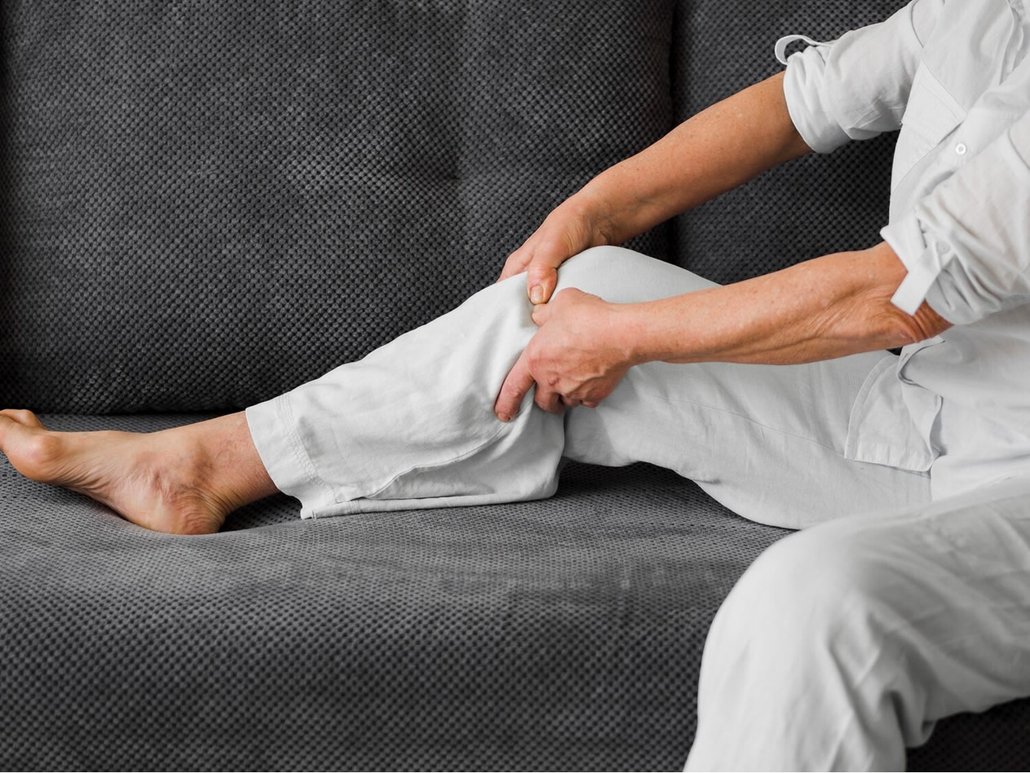
Restless leg syndrome, also known as Willis-Ekbom Disease, is a very common syndrome that affects 1 out of 10 Americans. Despite this, the disorder is often disregarded for a variety of reasons and often goes undiagnosed and even unrecognized in many people.

Restless leg syndrome — or RLS — is characterized by uncomfortable sensations within the legs, causing an irresistible urge to move them. Usually, the symptoms worsen in the evenings, at night, or during periods of inactivity. Many of those who suffer from restless leg syndrome experience disturbances in their sleep or inability to fall asleep, therefore, the condition is considered a sleep disorder.

Despite the myths you may have heard about restless leg syndrome, there is sufficient evidence to classify it as a serious sleep disorder that can lead to an increased mortality rate, depression, reduced quality of life, chronic tiredness, and an ability to interact well due to lack of sleep. Here are some common restless leg syndrome myths that you can kick to the curb.

Restless Leg Syndrome Myth #1: RLS Isn’t A Real Sleep Disorder:

Having to constantly move or jerk your legs may be seriously uncomfortable and counterproductive in falling asleep, but it’s not what most people think of when they hear the term “sleep disorder”. Many patients with RLS believe they are just anxious, hyperactive, or not sufficiently tired. This is likely due to the lack of (and at times negative) attention the disorder garners.

Restless Leg Syndrome Myth #2: RLS Is Trivial:

Many consider restless leg syndrome to be an insignificant condition that is more an inconvenience than anything else. Others regard the compelled movement in the legs as “natural” and therefore not necessarily a medical condition. Despite these beliefs, insomnia caused by restless leg syndrome can have real and intense effects on patients down the line.

Restless Leg Syndrome Myth #3: RLS Is In Your Head

Unfortunately for patients with restless leg syndrome, many have been told their symptoms are in their head rather than the result of an actual medical ailment. This potentially stems from the inability of patients to properly describe the sensations they feel in a meaningful way that would spark medical diagnosis from a sleep specialist.  Patients may also delay obtaining a diagnosis because they aren’t sure they’d be believed.

Restless Leg Syndrome Myth #4: There Is No Treatment For RLS

Another misconception about restless leg syndrome is that there is no good sleep disorder treatment aimed at relieving or treating the symptoms. This isn’t true. There are both homeopathic and prescription treatments for people with restless leg syndrome. Additionally, there are life changes you can make today to improve your sleep naturally.

If you or someone you know is having trouble sleeping or falling asleep due to indescribable sensations within the legs that cause an uncontrollable need to move them, make an appointment at Pulmonary Associates of Brandon and speak with a specialist who can help.

https://pulmonaryassociatesofbrandon.com/wp-content/uploads/2018/03/Restless-Leg-Syndrome.jpg 948 1263 admin https://pulmonaryassociatesofbrandon.com/wp-content/uploads/2026/10/logotipo.png admin2018-03-13 19:40:002026-10-27 22:12:00Restless Leg Syndrome Myths You Can Kick To The Curb

5 Reasons Why You Shouldn’t Ignore Your Insomnia

27 febrero, 2018/in Sleep Disorders, Sleep Medicine

Insomnia is the most common sleep disorder, affecting 6 to 10 percent of the world’s population. Despite its commonality, though, the sleep disorder often goes undiagnosed and/or untreated. One of the reasons is because insomnia is oftentimes experienced differently from person to person, and many believe that their lack is sleep is nothing serious.

In reality, not being able to sleep (for whatever reason) is enough to put anyone on edge and it can quickly cause other serious health problems such as depression, diabetes, and heart failure. If you suspect that your sleeping problems are becoming chronic, or if you have been diagnosed with insomnia, then you probably ought to know about the dangers of ignoring treatment and how insomnia can affect you long term.
 

What Are The Symptoms Of Insomnia?

Though this may change from person to person, people with insomnia generally experience:

  • Difficulty falling or staying asleep
  • Very early waking hours despite when they went to sleep
  • A lack of restorative sleep
  • Daytime symptoms such as fatigue, trouble concentrating, mood disturbances, and/or memory loss.

Long-Term Effects Of Insomnia

  1. Increased Anxiety and Depression: When you can’t sleep, inevitably, your brain cannot rest or recover. Over time, your body and your mind start to become slower, fatigued, and depressed. Your body/mind may try to fight back by putting you on high alert, which causes you to become anxious. This can quickly become a vicious cycle as anxiety and depression can actually prevent you from achieving a good night’s sleep.
  2. Weight Gain: Lack of sleep has been found to affect your “hunger hormones,” known as leptin and ghrelin. Leptin signals satiety to the brain and suppresses appetite, while ghrelin stimulates hunger. When you don’t sleep well, levels of ghrelin increase, while levels of leptin decrease. When this happens, a person may crave high-fat, high-carbohydrate foods.
  3. Type 2 Diabetes: With weight gain comes the risk of diabetes. Many people who have insomnia already have type 2 diabetes, but those who do not should definitely guard against it by staying conscious of their diet and exercise.
  4. Congestive Heart Failure: Insomnia affects 10 to 15 percent of the population in the U.S. but it’s estimated to as high as 44 percent among cardiac patients. Many of the same side effects of insomnia (high blood pressure, depression, anxiety, poor circadian rhythm) can also cause cardiac problems and result in heart disease, a heart attack or stroke, and/or heart failure.
  5. Low Testosterone/Estrogen: With low energy, sleepiness, and increased tension comes low hormone levels. This not only means a lower sex drive, but also shifts in weight, loss of muscle and bone mass, moodiness, fatigue, and more.

Insomnia is nothing to take lightly, and if you’re experiencing its symptoms, it may not be too hard to admit that treatment may be a welcome experience if it helps you return to a having a good night’s sleep. Even if your symptoms are not severe or frequent, over time a lack of sleep will threaten your health and even shorten your lifespan. Book an appointment to discuss your sleeping habits with one of our sleep specialists today.

https://pulmonaryassociatesofbrandon.com/wp-content/uploads/2018/02/Sleep.jpg 948 1263 admin https://pulmonaryassociatesofbrandon.com/wp-content/uploads/2026/10/logotipo.png admin2018-02-27 18:57:122026-10-26 22:32:355 Reasons Why You Shouldn’t Ignore Your Insomnia

10 Ways Visiting Our Sleep Disorder Center Can Help

1 febrero, 2018/in Sleep Medicine

Sleeping in your own bed is probably one of the best things in the world, but when you’re not sleeping properly not even a comfy, familiar bed is enough to make you feel better.

Visiting a sleep disorder center or staying overnight for sleep research studies might seem uncomfortable, awkward, or downright annoying, but it a very easy, informative, and beneficial process that can potentially improve your ability to fall asleep and/or stay asleep, as well as diagnose any unknown sleeping disorders that you might be suffering from.

Here are 10 reasons why you should consider visiting the Florida Sleep Disorder Center in Brandon or Sun City:

1. It will make you feel better! Most importantly, the experienced team at the Florida Sleep Disorder Center can help you live a healthier, more rested life. Suffering from a sleep disorder is very detrimental to your general quality of life (and maybe even your partner’s). Through state of the art diagnostic testing and quality care, the experts at our Florida Sleep Disorder Center may be able to not only diagnose the source of your sleeping woes, but also help you come up with an appropriate treatment plan that will improve your quality of life.

2. The experts at Florida Sleep Disorder Center have over 30 years of experience diagnosing pulmonary and sleep conditions. Their team has helped thousands of people with sleep disorders get on the road to happy, healthy, restful sleep. Their physicians are board certified in Internal Medicine, Critical Care, Pulmonology and Sleep Medicine, so you know you’ll be getting the best treatment and care available.

3. In-lab testing is easy and comfortable. Some patients are nervous about staying overnight at the Florida Sleep Disorder Center, and they imagine it’s probably like spending the night at a hospital. But, the accommodations are actually very relaxing and comfortable! Each bedroom is furnished with a queen-sized bed, reading material, a lamplight, and a television. It is almost like staying in a hotel.

4. The Florida Sleep Disorder Center offers both in-lab and at home diagnostic testing. If you’re lucky enough, you may be able to take the diagnostic test at home.

5. An accredited sleep specialist can determine which disorder is affecting you. The specialists at the Florida Sleep Disorder Center are uniquely qualified to analyze your symptoms and determine which sleep condition may be impacting your life. They have many diagnostic tools and years of experience at their disposal.

6. It may be hard to determine which sleep disorder you have elsewhere. The term “sleep disorder” is an umbrella term that encompasses many different conditions such as sleep apnea or obstructive sleep apnea syndrome (OSAS), narcolepsy, insomnia, and restless leg syndrome (RLS). There are hundreds of sleep-related disorders, and unless your regular doctor also specializes in Pulmonology or Sleep Medicine then it’s unlikely that they’ll be able to identify which sleep disorder you have. It’s better to visit a specialist who’s been studying sleep disorders for decades and is specifically trained to diagnose and treat these types of conditions.

7. Loud snoring can be more serious than expected. Snoring loudly is certainly a bother to one’s partner, but it could also be a serious sign of breathing complications or stress on vital organs. So, whether or not you think it’s serious, it’s probably best to let a specialist decide.

8. Treating your sleep disorder will benefit your waking life. Jobs, relationships, health, safety, and productivity are all negatively impacted by fatigue. If these areas are suffering, then it may be because you are not getting enough restful sleep. We can help you regain your energy, motivation, and drive simply by addressing and improving the way in which your sleep.

9. More than 100 million Americans fail to get adequate sleep. A variety of sleep disorders affect people of all ages, and these disorders affect patients in a myriad of different ways from depression to heart problems. These causes are very serious and should be prevented as much as possible, let us help!

10.  A good night’s sleep is more important than you may realize. Not only does restful sleep help your mood and appearance, it also benefits your heart, weight, and mind. Sleep is a basic necessity of life, as important as food, air, or water.

We hope we have convinced you to try out our sleep research studies if you think you may be suffering from a sleep disorder. In any case, you’re probably more informed now then you were before! Unsure whether you have a sleep disorder, want to improve your sleep and live a healthier life? Book an appointment and give us a visit!

https://pulmonaryassociatesofbrandon.com/wp-content/uploads/2018/02/Sleep-Disorder-02.jpg 948 1263 admin https://pulmonaryassociatesofbrandon.com/wp-content/uploads/2026/10/logotipo.png admin2018-02-01 18:11:002026-10-27 22:17:0410 Ways Visiting Our Sleep Disorder Center Can Help
Page 1 of 212

Search

Search Search

Table of Content

Categories

Archive

Search

Search Search

Where Quality Care is Just a Breath Away!

  • Privacy Policy

Menu

  • Welcome
  • Services
    • Lung health services
    • Sleep Medicine
  • Patients
  • Our Team
    • FAQ
  • News
  • About us
  • Contact

Opening Hours

Mo-Fr: 8:00-22:00
Sa: 8:00-24:00
So: 8:00-14:00

Call us or send a message

To request an appointment.
Call 813-681-4413, ext. 227.

Not for emergencies. If you are having a medical emergency, call 911. For urgent concerns, call our office at 813-681-4413.

Scroll to top Scroll to top Scroll to top