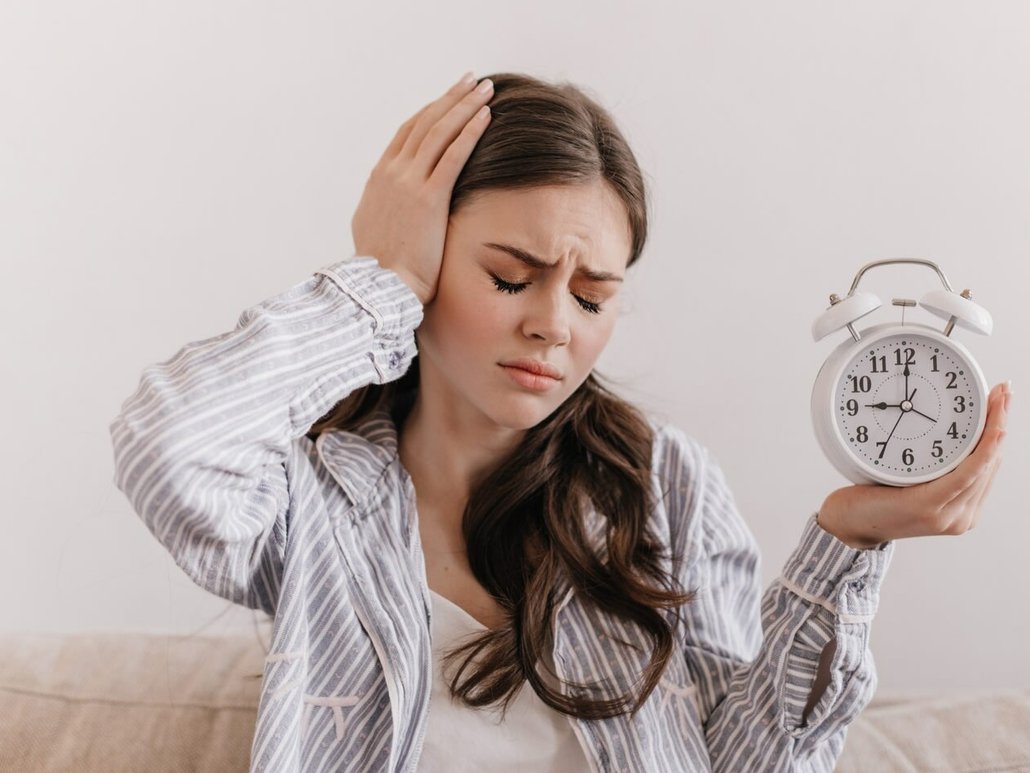
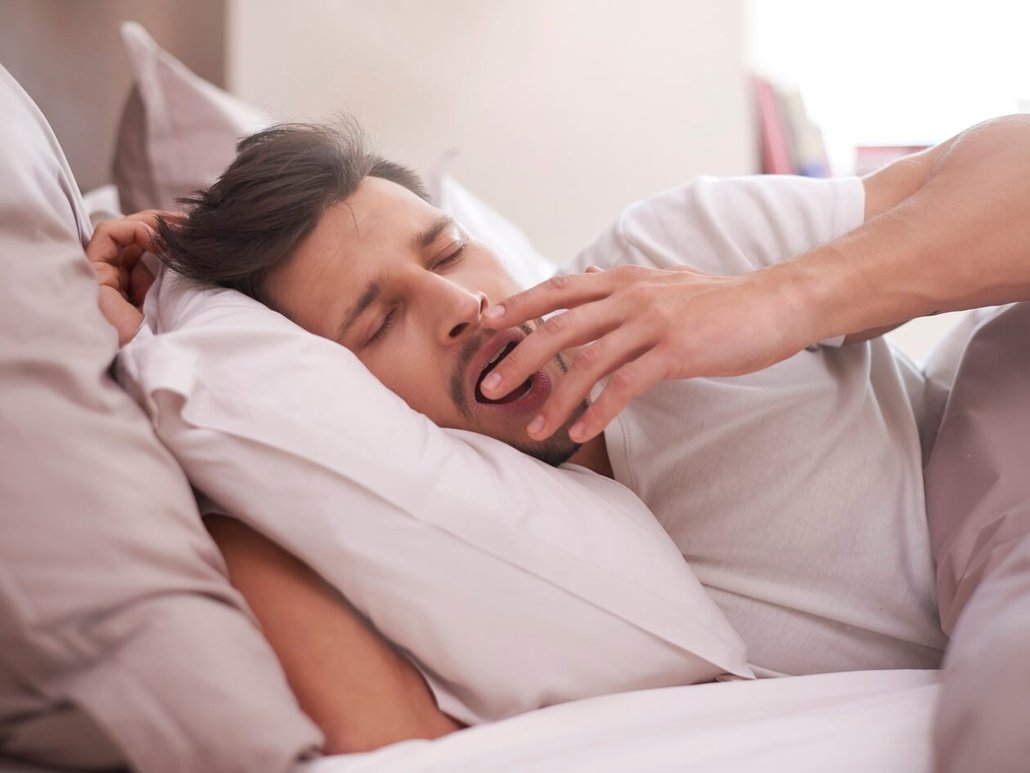
Sleeping difficulties affect more than 75 percent of Americans between the ages of 20 and 59. Poor sleep or difficulty falling asleep can result from a number of factors including stress, poor health, obesity and outside influences. When sleep issues continue to occur on a regular basis and interfere with daily life, they may indicate a sleep disorder. A continued lack of sleep can affect productivity, concentration, mood and overall health.
What are my treatment options?
Knowing how to treat sleep disorders is half the battle. While some less prevalent sleep complications can be easily treated with lifestyle changes such as meditation or avoiding caffeine throughout the day, others require more specialized diagnosis and treatment, which is the case with most chronic sleep disorders. Many people with sleep disorders choose to seek out medical professionals in the sleep medicine field to assist with their sleep disorders treatment.
Sleep medicine is one way to treat many chronic sleep disorders. Sleep medicine is a practice where trained specialists—or sleep doctors—can assist patients who suffer from disorders or conditions that affect their ability to fall asleep, stay asleep or experience restful sleep. Physicians trained in the field of sleep medicine can research, diagnose, treat, prevent and manage complications surrounding sleep.
What types of sleep disorders can be treated with sleep medicine?
Sleep medicine physicians can treat many sleep disorders and diseases, including:
– Nightmares or night terrors REM behaviors disorder
– Parasomnias
– Teeth Grinding
What are some symptoms of sleep disorders?
The first step in treating a sleep issue is recognizing the tell-tale signs of a sleep disorder. Don’t just write your lingering sleep issues off as “too much caffeine” or being “overstressed.” If believe your sleep issues are related to something beyond too much caffeine or stress, you may want to talk to you doctor about seeing a sleep medicine specialist. Some common signs of a sleep disorder are:
– Difficulty falling asleep or staying asleep
– Daytime fatigue
– Exhaustion
– Irritability or anxiety
– Falling asleep during the day
– Urge to take naps during the day
– Lack of concentration
– Depression
How are sleep disorders diagnosed?
Sleep specialists use several researched methods to diagnosed sleep-related issues, including questionnaires, apnographs, overnight sleep studies, screening devices, home sleep studies, polysomnograms and more. Once a sleep disorder is diagnosed, a sleep physician can treat using tailored methods for wellness.
Don’t allow chronic sleep deprivation and exhaustion negatively affect your life any longer. If, like many Americans, you have chronic sleep issues, talk to your doctor about sleep medicine. After specialized treatment from sleep medicine professionals, you may find you have more energy, concentration and productivity than you know what to do with!
https://pulmonaryassociatesofbrandon.com/wp-content/uploads/2018/11/Sleep-Disorder.jpg9481263adminhttps://pulmonaryassociatesofbrandon.com/wp-content/uploads/2026/10/logotipo.pngadmin2018-11-26 19:44:112026-10-27 15:55:01What Types Of Sleep Disorders Can Be Treated With Sleep Medicine?
We all have rough nights every once in a while, either because of our own sleeping habits, or because of our loveable sleep partner. By the time the sun comes around, we’re groggy and irritable, or hyper (just until we crash). These experiences are frustrating but normal. If they happen often or every night, though, they may be the indications of a sleep disorder.
There are a number of sleep disorders that aren’t commonly known to the general public and oftentimes go undiagnosed. Parasomnias, for example, encompass an entire group of sleep disorders that affect people’s ability to fall asleep, remain asleep, or wake up, and there are several parasomnias that are fairly unknown. Below are 5 Parasomnias you’ve probably never heard about.
This disorder doesn’t apply to people who sneak across the house toward the fridge at 3 a.m. – even if they do so often. A sleep-related eating disorder occurs during non-rapid-eye-movement (NREM) sleep and it affects people while they are still partially or fully asleep and cannot control their actions. During an episode, the disorder may cause the semi-conscious person to consume abnormal combinations of food in substantially large amounts. It is very difficult to wake a person who is experiencing a sleep-related eating disorder episode, and attempting to do so may even result in aggression or resistance. In the morning, the person may not remember the events of the night.
Unlike having sex dreams, which is fairly common, people who suffer from sleep-sex, or sexsomnia, may self-touch or try to be sexually intimate with others unknowingly. During these episodes, the person may be more aggressive, dominant, and uninhibited. Doctors aren’t sure what causes sexsomnia, but there are some factors they believe affect it, such as sleep deprivation, increased stress, and anxiety.
Has anyone ever pranked you awake by making an obnoxiously loud, sudden noise over your head? Well, imagine waking up like that all the time. People who suffer from exploding head syndrome hear extremely loud noises when going to sleep or waking up. Some compare the sound to bomb explosions, gunshots, thunder, or fireworks. The episodes are relatively painless and short but they are nonetheless confusing and unnerving.
Think of Catathrenia as a backward snore. Whereas snoring happens during inhalation, people who suffer from catathrenia, or nocturnal groaning, produce a loud groan during exhalation, usually followed by a snort or a sigh. These groans can last up to 30 seconds and can get very loud. Nocturnal groaning doesn’t happen with every exhalation and it usually comes and goes throughout the night in stretches of time, some as long as an hour. There are catathrenia treatments but generally, the disorder doesn’t affect the sleep of those who suffer from it and its cause is unknown.
Most people know of REM sleep as the part of the night where you get deep rest, which is mostly true. REM, or rapid-eye-movement, is typical during REM sleep, as well as irregular breathing, higher blood pressure, and a loss of muscle tone (paralysis). During REM sleep, one’s brain is highly active and often dreams. People who suffer from REM Sleep Behavior Disorder, never fully undergo the muscle tone loss therefore as they may act out their dreams. Dream-enacting behaviors include talking, yelling, punching, kicking, sitting, jumping from bed, arm flailing, and grabbing.
People who suffer from these disorders remain unaware of their actions unless a bed partner or roommate mentions it. For the most part, these parasomnias are treatable and manageable, so it’s important that more people know how to recognize the symptoms, either in themselves or in another. Getting a good night’s rest is essential to living a healthy life, don’t let parasomnias get in the way of that. If you feel that you or someone you know may be suffering from a parasomnia, schedule an appointment to speak to one of our physicians.
https://pulmonaryassociatesofbrandon.com/wp-content/uploads/2018/11/Sleep-Disorders.jpg9481263adminhttps://pulmonaryassociatesofbrandon.com/wp-content/uploads/2026/10/logotipo.pngadmin2018-11-09 17:36:002026-10-27 18:50:425 Sleep Disorders You Probably Didn’t Know About
Whether you’re busy racking up frequent flier miles traveling for work or just enjoy spending your vacation time jet-setting to distant locations, chances are you’ve experienced some jet lag. This is especially common when traveling to different time zones. Every day, millions of travelers struggle against jet lag, one of the most common sleep issues.
Studies have shown that the condition of jet lag results from disruptions to your body’s 24-hour circadian rhythm—otherwise known as your biological clock–caused by traveling to a different time zone. When traveling to a new time zone, our circadian rhythms are slow to adjust and remain on their original schedule for a few days. The outcome is difficulty falling asleep according to a new time schedule. You might be wondering how to get a good night sleep while also being able to travel to new time zones.
The good news is some simple behavioral adjustments can help minimize the side effects of jet lag.
Revamp Your Sleep Schedule
Anticipate time changes by getting up and going to bed earlier or later in the days prior to adjust to the new time zone. Try to avoid naps or going to bed right when you arrive, as these practices may keep you up longer.
Change Your Watch
While on the plane, be sure to adjust your watch to reflect the time zone you’re traveling to. Most Smartphones will automatically correct to the new time zone once you land.
Avoid Caffeine and Alcohol
Avoiding caffeine—or alcohol, for that matter—at least 3-4 hours before bed can help you avoid stimulant-caused issues with sleeping. Alcohol has also been known to worsen the symptoms of jet lag.
Stay Hydrated
Changes in altitude can dehydrate you more easily, whether it’s while on the plan or if you’re heading to a place at higher altitude. Be sure to drink plenty of water before and during your flight. Dehydration makes it more difficult for your body to adjust to a new rhythm.
Exercise—But Early
Exercise or movement during the day may help you fall asleep more easily in a new time zone. But be sure to avoid exercising too close to bedtime, which will most likely keep you awake.
Get Outside
When possible, try to get outside and be in the sunlight. Daylight is a powerful tool for regulating or resetting your biological clock and balancing your circadian rhythm.
Block it Out
Bringing earplugs and a sleep mask will help to reduce noise and block out the light while attempting to fall asleep.
Avoid Travel-Related Stress
Bringing elements of home, like your favorite pillow or blanket, can ease the nagging feeling of being in a new environment. Have the front desk send any hotel calls to voicemail and request a wake-up call in the morning in case you sleep through your alarm.
Find Your Perfect Sleep Environment
Whether we realize or not, most of us are affected by changes to temperature, noise, altitude, sleep surface and other environmental factors. Be cognizant of which factors affect you and ensure that you do your best to make your sleep environment a nurturing one.
Adjusting to time zones can be tricky, but if you practice these tips coping with or avoiding jet lag can be a much easier feat.
https://pulmonaryassociatesofbrandon.com/wp-content/uploads/2018/11/SleepTimeZones.jpg9481263adminhttps://pulmonaryassociatesofbrandon.com/wp-content/uploads/2026/10/logotipo.pngadmin2018-11-02 17:39:572026-10-27 18:52:32How To Sleep Well When Switching Time Zones
Everyone has experienced a poor night of sleep every once in a while, but there are many people who suffer from consistent sleep deprivation due to their inability to get a good night’s rest on any given night.
These people are the individuals who suffer from various sleep disorders. For those individuals struggling to sleep on a nightly basis, it is important to get help. A lack of sleep, especially on a nightly basis, can have very adverse effects on your overall health and well-being. It is not unusual to have a limited understanding of the many different sleep disorders, but the first step toward fixing the issue is recognizing it and then understanding it.
So, whether you think you might be experiences sleep struggles and want to know more, or you just want to educate yourself, here are the most common sleep disorders:
1. Sleep Apneaor OSAS (Obstructive Sleep Apnea Syndrome):
According to the National Institutes of Health, sleep apnea affects up to 12 million Americans. Rooted in the Greek word apnea, which means “without breath,” sleep apnea is a sleep disorder caused an individuals’ inability to breath effectively throughout the night. Throughout the night, someone’s breathing might stall for 10 seconds or higher up to 25-30 times per hour. These pauses often lead to the individual choking and gasping for air, disrupting any chances for effective sleep. Not only does this result in decreases in daily functions, but it can also lead to high blood pressure, heart disease, heart attack, and stroke.
Sleep apnea is a very serious sleep disorder, but it can be treated. While the specific treatment for sleep apnea will depend on individual factors, there are a few possible treatments. First, behavioral changes can be effective. Such changes usually include weight loss, learning new sleep habits, and avoiding harmful substances such as drugs, alcohol, cigarettes, etc. Furthermore, Nasal Continuous Positive Airway Pressure therapy can also be required for an effective treatment. This therapy includes wearing a pressurized mask that helps keep your airways open while you sleep. Treatment might also include other oral or dental devices that hold the tongue and jaw forward, opening the airways. Lastly, some patients might need surgery to effectively treat sleep apnea. Surgeries often include removing adenoids and tonsils.
Insomnia can be one of the more discrete sleep disorders, but it affects many people and can have serious implications on their daily life. While it is normal to have trouble sleeping every once in a while, people who suffer from insomnia struggle getting enough satisfying sleep on most nights. So, if you struggling with one or more of the following on a nightly basis, you might struggle with insomnia:
· Difficulties falling asleep, especially when tired
· Awakening during your sleep often throughout the night as well as difficulty falling back asleep
· Waking up early in the morning despite poor sleep
· Overall unrefreshing sleep
Insomnia affects anywhere up to 60 million people in America, and the risk for insomnia only grow as you age. Fortunately, insomnia can typically be treated by treating the underlying conditions and symptoms that might be causing your struggles. This often involves behavioral changes and medication, but it depends on the individual. You can set up an appointment with a doctor to discuss possible underlying causes.
Narcolepsy is one of the more complicated and difficult sleep disorders as it is a chronic disorder without a known cause. Narcolepsy affects individuals’ central nervous system by sending them signals for when to be awake and when to be asleep at sporadic and often incorrect times. This often results in individuals falling asleep at times throughout the day, and this often occurs without much of a notice. Likewise, this can also result in very poor and broken up sleep for people suffering from narcolepsy. Not only does this have similar implications on daily life as the other sleep disorders, but it can also prevent people from carrying out normal tasks effectively, such as driving.
While there is no cure for narcolepsy, the symptoms of narcolepsy can be controlled through medication and behavioral changes. Of course, the specific treatment used to control the symptoms will depend on individual circumstances, treatment usually involves taking a stimulant throughout the day as well as integrating 10-15 minute naps into the patient’s day.
Just as it sounds, restless leg syndrome is a disorder in which a person suffers from unpleasant feelings and sensations in their legs. Patients often describe their sensations as creeping, crawling, tingling, pulling, and painful. RLS symptoms occur most often in the calf and lower leg area, but can extend to the ankle, thigh, and even in the arms. People who struggle with RLS can have their daily life disrupted due to extreme daytime fatigue. A person might also suffer with decreased focused and even memory loss when dealing with RLS and fatigue.
While there is no direct cure for restless leg syndrome, sometimes RLS can be controlled by treating underlying conditions. Otherwise, people can make lifestyle adjustments to help subdue mild RLS symptoms. These lifestyle changes often include the following:
· Reducing, or eliminating, the use of caffeine, alcohol, tobacco, as well as any other drugs
· Increasing intake of minerals such as iron, folate, and magnesium, which can usually be done by way of taking supplements
· Participating in an exercise routine that involves moderate levels of exercise every day
· Maintaining a better sleep schedule that follows a stronger pattern than previous sleep habits
· Massaging the affected areas, taking cold or hot baths, and using heating pads and/or ice packs to soothe the affected area
At the end of the day, sleep is extremely important for anyone who wants a healthy and well life. Even the smallest sleep disruptions can have major implications on someone’s daily life when the disruptions become a consistent part of your sleep process. If you have any concerns about your sleep patterns or any symptoms you struggle with, feel free to contact us or your doctor to set up an appointment to discuss possible diagnosis and treatment.
https://pulmonaryassociatesofbrandon.com/wp-content/uploads/2018/09/Sleep-Disorders-01.jpg9481263adminhttps://pulmonaryassociatesofbrandon.com/wp-content/uploads/2026/10/logotipo.pngadmin2018-09-21 15:24:492026-10-27 19:02:58The 4 Most Common Sleep Disorders
So, you’ve finally taken the plunge and booked an appointment with a pulmonologist! We’re honored to have been your choice for care. Pulmonary Associates of Brandon/Florida Sleep Disorder Center specializes in pulmonary diseases, critical care medicine, and sleep medicine. Our goal is to provide you with exceptional medical care and superior medical service.
If you are a first-time patient at our clinic, you’ll want to make sure that you arrive prepared for your appointment in order to help ensure you have the best visit possible. To get you there, we’ve put together a list of some things you should bring, as well as some other helpful appointment tips:
Please print and fill out the New Patient Form prior to your first appointment. Bring in the completed form on the day of your appointment. All patients must fill out pages 2-5; pulmonary patients must also complete page 6 and sleep patients must complete 7-8. If you are both a pulmonary and sleep patient, complete the entire packet.
Please bring any recent chest x-rays or other imaging test results to our office. If they are not available to you by flash drive or disk, you can ask that they are sent to our office prior to your appointment.
Please bring in a list of all current medications, both prescribed and over-the-counter. Be sure to include the dose and frequency in which you take each.
Please bring your insurance card(s) and a photo identification. We are required to verify the identity and insurance eligibility of all of our patients. We are also required to collect any co-payments and/or deductibles at the time services are provided.
Bring cash, check or credit card for your co-payment or deductible
Write down your questions or issues that you would like to cover with the doctor during your visit so you won’t forget to ask. If questions arise that must be answered before your appointment, be sure to call us at (813) 681-4413. We are available Monday through Friday from 8:00am-5:00pm in the office and through our answering service after hours.
Most importantly: bring yourself!
More Information
Make sure to arrive 15 minutes before your appointment. If you cannot fill out the new patient form before your appointment, no problem! Just be sure to arrive 30 minutes before your appointment to fill it at our office. To make the most of your visit, check out these tips from the National Institutes of Health article “Straight Talk for Good Health”. To book an appointment, give us a call today, or click here to book online.
https://pulmonaryassociatesofbrandon.com/wp-content/uploads/2018/08/Checklist.jpg9481263adminhttps://pulmonaryassociatesofbrandon.com/wp-content/uploads/2026/10/logotipo.pngadmin2018-08-22 14:30:002026-10-27 19:57:49The Complete Checklist For First-Time Pulmonary And Sleep Patients
Have you ever woken up and wondered whether the terrifying dream you had the night before was actually a nightmare? Some nightmares can seem so real that we later wonder whether they occurred. In some cases, they may even leave us a little bit fearful or distressed. Nightmares are somewhat common and happen to almost everyone at some point in their life. Night terrors, on the other hand, are similar to nightmares but much less common and may require the care of a specialist.
At this point, you may be wondering, what is a night terror? There is actually a big difference between nightmares and night terrors, and it’s easy to tell them apart once you know the symptoms of each, which we will discuss. In addition, we’ve also listed out some tips to help you determine when you should seek medical care for your night terrors.
Night terrors, also known as sleep terrors, are a kind of parasomnia that induces terror or panic in the dreamer, causing them to scream, shout, sleepwalk, or thrash about violently. The condition, which is typically associated with post-traumatic stress disorder, can make it very hard to wake while dreaming, and typically the person remembers little of the dream in the morning.
The condition is typically not considered dangerous, though it can evolve to become dangerous if the dreamer begins to show signs of aggression towards others or themselves. For some, it may cause a lot of distress or trouble sleeping, in which case it may also be advisable to seek medical care.
The difference between nightmares and night terrors comes down to the intensity of the dream, and whether or not the person experiencing it wakes up from their panic. While nightmares can be very frightening, they are typically experienced silently and do not cause the person to move around as they are experienced during REM sleep. Here are a few other key differences:
Nightmares make people wake up from their dreams, whereas night terrors occur when people remain asleep. It is extremely difficult to wake up someone having a night terror and we don’t recommend that you do.
Nightmares typically occur in the last half of the night “during REM sleep), while night terrors typically occur in the first half of the night (during non-REM sleep).
Nightmares can cause people to thrash about, cry, kick, talk or even yell in their sleep; however, these actions rarely result in injury. Night terrors, on the other hand, can cause people to sit up in bed, scream, kick, sweat, stare with open eyes, run about, and even have aggressive behavior.
When To Seek Medical Attention For Night Terrors
Consult your doctor if your night terrors:
Grow in frequency and become “the norm,” especially as you mature into adulthood
Consistently disrupt the sleep of you or others to a point that it is impacting your life
Make you or others afraid to fall asleep
Cause you to be violent, leading to injury of yourself or others
Appear to follow the same pattern each time you experience night terrors
More Information
It is important to understand the difference between nightmares and night terrors, so if you’re still unsure of what you’re experiencing, it’s safer to ask your physician. If the symptoms of your night terrors are persistently and negatively impacting your life, it is time to get help. In many cases, a sleep study can quickly identify the issue and our sleep specialists can recommend the best source for treatment. If you would like to learn more about our sleep studies and our sleep medicine, feel free to contact us today or book an appointment.
https://pulmonaryassociatesofbrandon.com/wp-content/uploads/2018/07/Nightmares-And-Night-Terrors.jpg9481263adminhttps://pulmonaryassociatesofbrandon.com/wp-content/uploads/2026/10/logotipo.pngadmin2018-07-26 20:21:002026-10-27 20:14:53Sleep 101: Exploring The Difference Between Nightmares And Night Terrors
There are many factors in life that help determine how we sleep and the quality of our sleep. These factors may include our work schedule, our age, where we live, and a number of other things. While sometimes we may be able to solve these issues with lifestyle changes, sometimes we need professional help to help us adjust back into a healthy sleeping pattern, which is also known as a circadian rhythm.
What Is A Circadian Rhythm
The circadian rhythm, also known as the sleep/wake cycle, is a person’s 24-hour internal clock that regulates the periods when we feel awake and when we are drowsy. For example, it’s the reason why you always wake up at a certain time despite not having set an alarm, and why you always get sleepy around a certain time at night.
Our circadian rhythm is also responsible for how awake we feel during the day. It’s why we feel a dip in energy between 2 a.m. and 4 a.m. and between 1 p.m. and 3 p.m., after lunch. This regulatory time clock can sometimes become confused or shift away from the preferred sleep/wake cycle. When this happens, we call the condition a circadian rhythm disorder.
Circadian Rhythm Disorder
If you’re feeling like your sleep schedule is off, no matter what you try, then you may be experiencing a circadian rhythm disorder. Here are 5 of the most common circadian rhythm disorders that you should know about.
Shift Work Disorder: Since a natural circadian rhythm is, in part, balanced by the amount of sunlight you receive, working overnight or rotating shifts at work can seriously disrupt our circadian rhythm. Even though we sleep, we may not feel as rested, or we may always feel exhausted.
Narcolepsy: This serious condition is characterized by experiencing intense bouts of daytime sleepiness and uncontrollable episodes of falling asleep, despite having gotten proper sleep throughout the night.
Delayed Sleep Phase Disorder: This condition prevents people from falling asleep until very late in the night, oftentimes until 2 a.m. or later. It’s typically found in adolescents and young adults, but it may persist for years and can lead to impairment at work or school.
Advanced Sleep Phase Disorder: Unlike delayed sleep phase disorder, people who experience advanced sleep phase disorder will probably go to bed very early and then have trouble staying asleep past early morning hours, like 3 a.m. This condition is mostly found in elderly people and it can also persist for years and lead to impairment.
Jet Lag: Travelling to an area with even a slightly different time zone can throw anyone off because our circadian rhythms function based on the time zone where we typically reside. Though this condition is only temporary, it can affect the quality of our sleep, or our ability to fall asleep until our circadian rhythm adapts to the new time zone.
How To Reset Circadian Rhythm
Before setting up any sort of treatment, it will probably be necessary to conduct a sleep study at our Sleep Disorder Center. Once a sleep study is conducted, our sleep specialists will be able to determine the best course of treatment for your specific circadian rhythm disorder.
More Information
If you or someone you know is having a hard time falling or staying asleep, then it may be time to visit our Sleep Disorder Center. Contact us today to schedule an appointment with one of our sleep specialists.
https://pulmonaryassociatesofbrandon.com/wp-content/uploads/2018/07/Circadian-Rhythm-Disorders.jpg9481263adminhttps://pulmonaryassociatesofbrandon.com/wp-content/uploads/2026/10/logotipo.pngadmin2018-07-11 17:15:472026-10-27 20:21:015 Circadian Rhythm Disorders That May Be To Blame For Your Lack Of Sleep
Having sleep apnea is typically synonymous with loud bouts of snoring, and short periods of breath-holding. Generally, most people go on about their lives (or sleep) without getting treatment for their symptoms of sleep apnea. But, sleep apnea is a much more serious condition than many realize and can slowly deteriorate a person’s health, eventually causing a complication.
One of the biggest dangers of sleep apnea is how it can significantly increase a person’s risk of having a stroke. Here’s everything you need to know about sleep apnea and sleep apnea stroke related incidence.
What Causes Sleep Apnea
The most common type of sleep apnea is Obstructive Sleep Apnea Syndrome (OSAS). This type of sleep apnea is caused by a blockage in the airway, usually because the soft tissue in the back of the throat collapses while breathing at night. The other kind of sleep apnea is Central Sleep Apnea Syndrome. This type of sleep apnea is caused when the brain fails to signal the muscles to breathe when you are sleeping.
Some risk factors can also contribute to a person developing sleep apnea or suffering from a stroke. For example, it’s important to note that sleep apnea is most common in men between the ages of 35 and 70, and more than half of the men who have it are overweight. Furthermore, more than half of the people who have a stroke also suffer from sleep apnea.
Some other risk factors include:
Neckcircumference: Fatty deposits around the neck can lead to the obstruction of airways.
A narrowed airway: This can be genetic, or caused by enlarged tonsils/adenoids.
Family history: If your relatives suffer from OSAS, your risk is greater.
Use of alcohol, sedatives, or tranquilizers: These tend to relax the muscles in your throat.
Smoking: Smokers are three times more likely to develop OSAS. Smoking also leads to inflammation and irritated airways.
Nasal Congestion: Either because of your anatomy or allergies, you are more at risk for developing OSAS.
Sleep Apnea Stroke-Related Complications
Sleep apnea is mainly characterized by a lapse in breathing for 10 seconds or more. This continual lack of oxygen can cause increased levels of hormone, which in turn can cause high blood pressure, and untreated high blood pressure can lead to cardiovascular complications. Furthermore, Obstructive Sleep Apnea impacts the heart’s functionality and the lack of oxygen causes a lot of stress on the heart, which over time can lead to a stroke or a heart attack.
More Information
If you’re unsure whether you are suffering from the symptoms of sleep apnea, it’s important that you seek a diagnosis at our sleep center. With proper treatment, sleep apnea is manageable and will likely not lead to any more serious complications. To determine a proper treatment or to seek a diagnosis, please contact us today to book an appointment with one of our sleep specialists.
https://pulmonaryassociatesofbrandon.com/wp-content/uploads/2018/07/Sleep-Apnea.jpg9481263adminhttps://pulmonaryassociatesofbrandon.com/wp-content/uploads/2026/10/logotipo.pngadmin2018-07-05 16:02:132026-10-27 20:22:33How Sleep Apnea Can Increase Your Risk Of Having A Stroke
Sleep talking, or somniloquy, is a kind of parasomnia in which a person will talk during their sleep without being aware that they are talking. The phenomenon is considered a sleep disorder, as it sometimes can affect the quality of a person’s sleep, and is otherwise outside normal sleep patterns and behaviors.
For the most part, many people who sleep talk only realize they do because someone else has told them, and they are for the most part unaffected by the condition. That is why, generally, sleep talking is considered harmless. Despite this, there are some cases of sleep talking in which medical attention may be advisable.
There isn’t one single cause for why people talk in their sleep, rather there are many underlying factors that can vary with each individual case. That is why if a person is suffering from sleep talking, it is necessary to undergo a sleep study in order to identify their specific causes or influencing factors.
Sleep Talking: When To See A Sleep Specialist
If you or someone you know is a sleep talker, there may be several reasons why seeking a sleep specialist may be beneficial.
If your sleep talking is preventing you from getting proper rest
If you spend the night talking and wake up tired
If your partner is losing sleep because of your sleep talking
If your sleep talking is accompanied by night terrors or nightmares
If you suddenly begin sleep talking after the age of 25
People who suddenly begin sleep talking after adulthood may actually be suffering from an underlying condition, such as a more serious sleep disorder like sleepwalking or sleep apnea, or a psychiatric disorder.
More Information
Sleep talking is harmless most of the time, but it can always be inconvenient — if not to you, then to your sleeping partner. If you would like to seek treatment for stop sleep talking, or to ensure your sleep talking is not a sign of an underlying condition, schedule a sleep study at our sleep study clinic today!
https://pulmonaryassociatesofbrandon.com/wp-content/uploads/2018/06/Somniloquy.jpg9481263adminhttps://pulmonaryassociatesofbrandon.com/wp-content/uploads/2026/10/logotipo.pngadmin2018-06-21 16:04:042026-10-27 20:25:26Sleep Talking: Why It Happens And How It Can Impact You
For many people, a good night’s rest is somewhat equivalent to a dice toss — you’re never quite sure what you’re gonna get. Falling asleep and staying asleep doesn’t always happen like we want it to, but we at least need to make sure we’re doing everything in our power to sleep successfully.
If you’re struggling with your sleep, why not take some time to celebrate National Better Sleep Month this May by following a few simple tips that we think should help you snooze better? There’s no better time than the present to put some healthy sleeping habits in place! Here are 5 sleep hygiene tips on how to fall asleep and stay asleep.
1. Avoid Food And Alcohol Before Bed.
Eating before bed keeps your digestive system working while your body is trying to relax, which is a bit counterproductive to falling asleep. Meanwhile, alcohol will inhibit restorative sleep. More than anything, make sure to avoid sugary, acidic, caffeinated, or difficult to digest foods (this includes cereals, bars, chocolate, garlic, and meats, among other foods) before heading to bed.
2. Make Yourself A Routine.
Following the same bedtime routine every night will help your brain and body recognize when it’s time to sleep. This can include brushing your teeth, taking off makeup, moisturizing, reading a book, or taking a warm bath. Our bodies respond well to routines so it’s likely that if you do it every night, you’ll soon start to fall asleep better.
3. Focus On Relaxation.
Many times, when we’re trying to fall asleep we focus too much on just “falling asleep” and instead we end up feeling more alert than ever. That’s because in order to fall asleep we simply have to relax our mind and our body. So instead of trying to fall asleep, just try relaxing as much as possible and entering a meditative state, you’ll fall asleep before you know it.
4. Keep Your Bedroom Cool.
When we sleep, our bodies like to stay cool. In fact, our bodies heat up by a few degrees when it’s time to wake up, so if it’s hot during the night, we’ll probably wake up. Keeping your room temperature anywhere from 60 to 70 degrees will ensure you fall asleep and stay asleep.
5. Maintain Good Sleep Hygiene.
If you’ve never heard of “sleep hygiene,” what the term refers to are the practices that allow you to sleep well. This could be keeping fresh sheets and a clean, fragrant room, or making sure the fan is on and it’s nice and dark. These little things go a long way towards preparing your mind and body for rest.
Falling asleep and getting a good night’s rest shouldn’t have to be a regular ordeal. Try out these sleep hygiene tips during this National Better Sleep Month and see if they work for you. If you’re still having trouble falling or staying asleep then it may be time to consider visiting our sleep center for a sleep research. To book an appointment, contact us!
https://pulmonaryassociatesofbrandon.com/wp-content/uploads/2018/05/Sleep-Hygiene-Tips.jpg9481263adminhttps://pulmonaryassociatesofbrandon.com/wp-content/uploads/2026/10/logotipo.pngadmin2018-05-03 18:13:282026-10-27 22:03:49Sleep Hygiene Tips For National Better Sleep Month