
floridachest
  • Welcome
  • Services
    • Lung health services
    • Sleep Medicine
  • Patients
  • Our Team
    • FAQ
  • News
  • About us
  • Contact
  • en English
    • en English
    • es Español
  • Menu Menu
  • Welcome
  • Services
    • Lung health services
    • Sleep Medicine
  • Patients
  • Our Team
    • FAQ
  • News
  • About us
  • Contact

Walking You Through A Night In A Sleep Study
6 octubre, 2017/in Clinical Research Studies

Over 60 million people suffer from sleep disorders that hurt their health and jeopardize their safety. In addition to that, The National Highway Traffic Safety Administration claims over 1,500 lives are lost every year from traffic accidents due to lack of sleep. Looking at the facts above, it’s impossible to disagree that finding out what causes your sleep problems – aka participating in a sleep study – is crucial to your health.

Now let’s imagine: your doctor has ordered a sleep study to find out what causes your insomnia, restless leg syndrome, narcolepsy, sleep apnea, etc., and you’re wondering what a sleep study involves and why you need to have one in the first place. It’s a legitimate question, one we hear from patients all the time, so that’s why we’re walking you through exactly what a sleep study is and the various aspects that it involves.

Why You Should Participate In A Sleep Study

When you have trouble with snoring, waking up frequently, or are tired when you get up in the morning, you are a perfect fit for a sleep study. Moreover, if you experience restless leg syndrome or your insomnia lasts more than two weeks, it’s time for you to find the cause. Problems associated with sleep require medical attention because you never know what damage they can cause or how they will affect your body.

At first, you often don’t experience any major health issues, except for being sleepy and lacking energy and concentration most of the time you are awake. But once the sleep-related stress accrues in your body, the reaction is always unpredictable and can cause serious unexpected life problems. Sleep studies are one of the best ways to identify any sleeping disorders you may be struggling from and will help give your doctor a better idea of how to create a tailored treatment plan to resolve your specific symptoms.

What Is A Sleep Study?

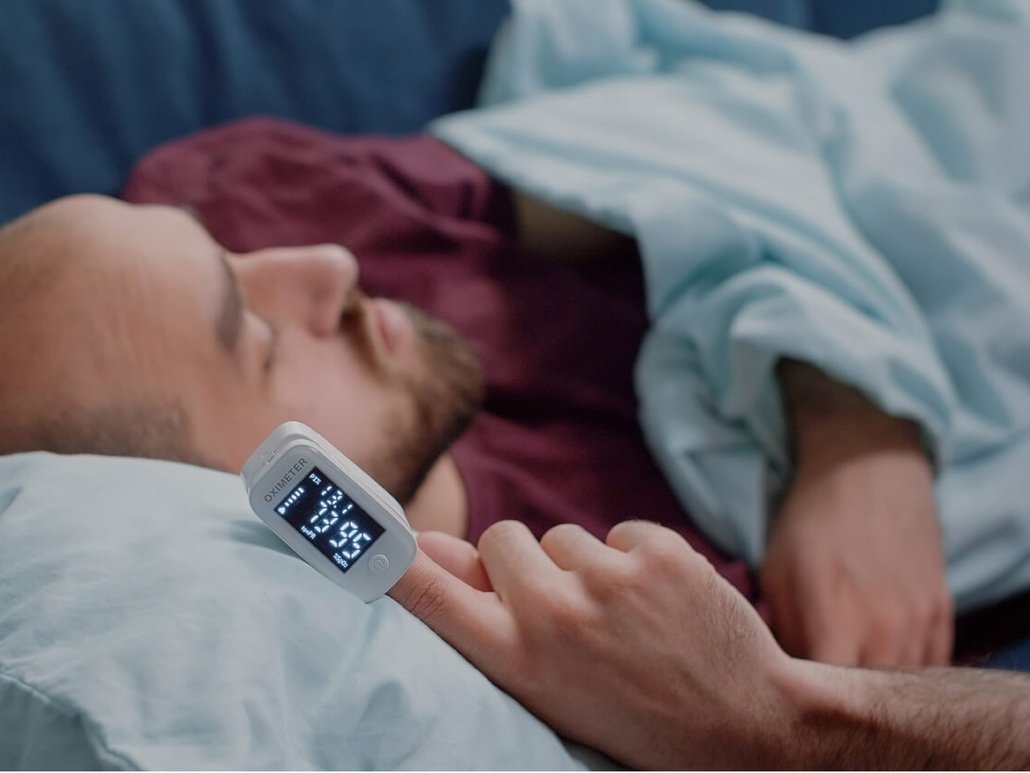
A sleep study is a non-invasive procedure that requires you to sleep one or two nights at the clinic. During the procedure, the sleep technologist will monitor your organism to identify what causes your sleep disorder and what treatment options would be the most responsive to your system. 

Sleep Study Highlights: How It Works

  • Before the sleep study, you will have to fill out the new patient sleep form and disclose a complete medical, surgical, and sleep history.
  • Many insurances cover sleep studies, so be sure to list your plan in the form and talk to the staff about your coverage before the study begins.
  • After the initial consultation, you will be admitted to a sleep study.
  • You should bring your everyday medications and comfortable sleeping attire with you to your sleep study. If you normally have a snack or drink before bedtime, please bring that as well. Unfortunately, family and pets are not allowed to stay with you during a sleep study.
  • Don’t worry about your comfort, we’ve got you covered! Our sleep study rooms are designed as personal bedrooms with a bed, TV, and refrigerator. 
  • You will arrive at 8:45 p.m. and leave at 6 a.m. the next morning.
  • Overnight you will be monitored by a sleep technologist who places electrodes and monitors on different parts of your body. A sleep technologist will monitor your brain waves, eye movements, muscle tone, heartbeat, lungs, and breathing during the entire night. The information recorded will help the physicians to make a precise diagnosis and figure out what causes your sleep issues in particular.
  • When a diagnosis is made, your physician may want you to undergo another sleep study in order to determine the best treatment for your condition.
  • The second study that would determine the best treatment uses a CPAP machine that provides continuous positive airway pressure. The process helps to find the right air pressure to eliminate your sleep interruption.

Where To Undergo A Sleep Study

Finding the right center for a sleep study might be quite challenging, as it requires a lot of preliminary research and preparation. Considering various options, don’t forget to check out our Florida Sleep Disorder Center that provides sleep studies and help you to get to the root of the problem. Additionally, if you want to find comprehensive treatment for your sleep disorder, just call the Florida Sleep Disorder Center to make an appointment for a sleep study. Our certified personnel will be happy to address any questions and concerns regarding your sleep and much more.

https://pulmonaryassociatesofbrandon.com/wp-content/uploads/2017/10/Sleep-Study.jpg 948 1263 admin https://pulmonaryassociatesofbrandon.com/wp-content/uploads/2026/10/logotipo.png admin2017-10-06 14:31:002026-10-27 22:21:54Walking You Through A Night In A Sleep Study

Should I Participate in a Research Study or Clinical Trial?

14 agosto, 2017/in Clinical Research Studies

Participating in a research study is an important part of furthering scientific breakthroughs and milestones in medicine. Despite the benefits of participating in a research study, there is still some warranted apprehension on the part of potential participants about volunteering in a clinical study. So let’s dive in and help you decide if volunteering in a research study is right for you!

What is a research study?

Clinical studies are medical research studies where real people participate as volunteers. Clinical studies allow medical professionals and researchers to develop new means of treating and medicating diseases and ailments by testing these new methods on volunteers. Research studies are monitored by the National Institutes of Health, the FDA, and the USDA to ensure that the studies are in line with safety guidelines.

what you need to know about clinical research studies

The Benefits

Oftentimes, participants in medical studies have access to treatment for specific ailments before they are available to the public and for no monetary cost to them. Patients with newly diagnosed medical problems of all ages are welcome to participate in studies about their disease or medications related to their disease if they meet the criteria for the study. Volunteers can also take pride in knowing that their participation is furthering the process of finding new medicine and methods of treatment for diseases, and ultimately help make scientific breakthroughs.

The Risk

It’s important to know what you’re getting yourself into during a research study. Just as in most routine medical care, there are some risks, so it’s important to understand the chance and degree of harm. Most studies pose only the risk of minor discomfort, lasting a short duration, while others could post a small chance that a participant would need medical attention. As with any decision about your health, be sure to weigh the benefits against the potential risks.

Confidentiality

There are several patient protections to safeguard participants in research studies and ensure confidentiality. These include the Patient Bill of Rights and Hospital Accreditation to ensure that an international review board must approve every new study at a hospital or medical facility before it can begin. Patients also receive all the facts and details about the clinical trial before they decide whether to take part, a practice known as informed consent.

Compensation

Sometimes volunteers are compensated for their participation, either with a standard compensation for the volunteer’s time, or reimbursement for travel and expenses while participating in the study.

How do I participate?

To participate in a local or national research study, patients and healthy volunteers must meet certain specific requirements set forth by the researchers. These criteria differ from one clinical study to the next and can range from age to health conditions. Florida Pulmonary Associates offer research studies in Brandon for qualified volunteers interested in participating.  

Making the Decision

Before deciding to participate in a medical research study, it’s important to feel confident about what you will be doing. Discuss the particulars of the study with your doctor and make sure your family members are also comfortable with your participation. To take part in some clinical studies, a referral is required from a medical practitioner to be approved as a volunteer.

The decision to participate in a research study is ultimately a personal one. As with all health treatments and medical care, there can be risks and benefits associated with the clinical trial. Weigh the benefits against and perceived or potential risks before deciding. And know that the researchers and medical professionals put specific processes in place to ensure volunteers are informed and cared for during the study.

https://pulmonaryassociatesofbrandon.com/wp-content/uploads/2017/08/medical-Study.jpg 948 1263 admin https://pulmonaryassociatesofbrandon.com/wp-content/uploads/2026/10/logotipo.png admin2017-08-14 15:27:222026-10-27 22:24:16Should I Participate in a Research Study or Clinical Trial?

Search

Search Search

Table of Content

Categories

Archive

Search

Search Search

Where Quality Care is Just a Breath Away!

  • Privacy Policy

Menu

  • Welcome
  • Services
    • Lung health services
    • Sleep Medicine
  • Patients
  • Our Team
    • FAQ
  • News
  • About us
  • Contact

Opening Hours

Mo-Fr: 8:00-22:00
Sa: 8:00-24:00
So: 8:00-14:00

Call us or send a message

To request an appointment.
Call 813-681-4413, ext. 227.

Not for emergencies. If you are having a medical emergency, call 911. For urgent concerns, call our office at 813-681-4413.

Scroll to top Scroll to top Scroll to top