floridachest
  • Welcome
  • Services
    • Lung health services
    • Sleep Medicine
  • Patients
  • Our Team
    • FAQ
  • News
  • About us
  • Contact
  • en English
    • en English
    • es Español
  • Menu Menu
  • Welcome
  • Services
    • Lung health services
    • Sleep Medicine
  • Patients
  • Our Team
    • FAQ
  • News
  • About us
  • Contact

Tag Archive for: sleep disorders

What Types Of Sleep Disorders Can Be Treated With Sleep Medicine?

26 noviembre, 2018/in Sleep Disorders

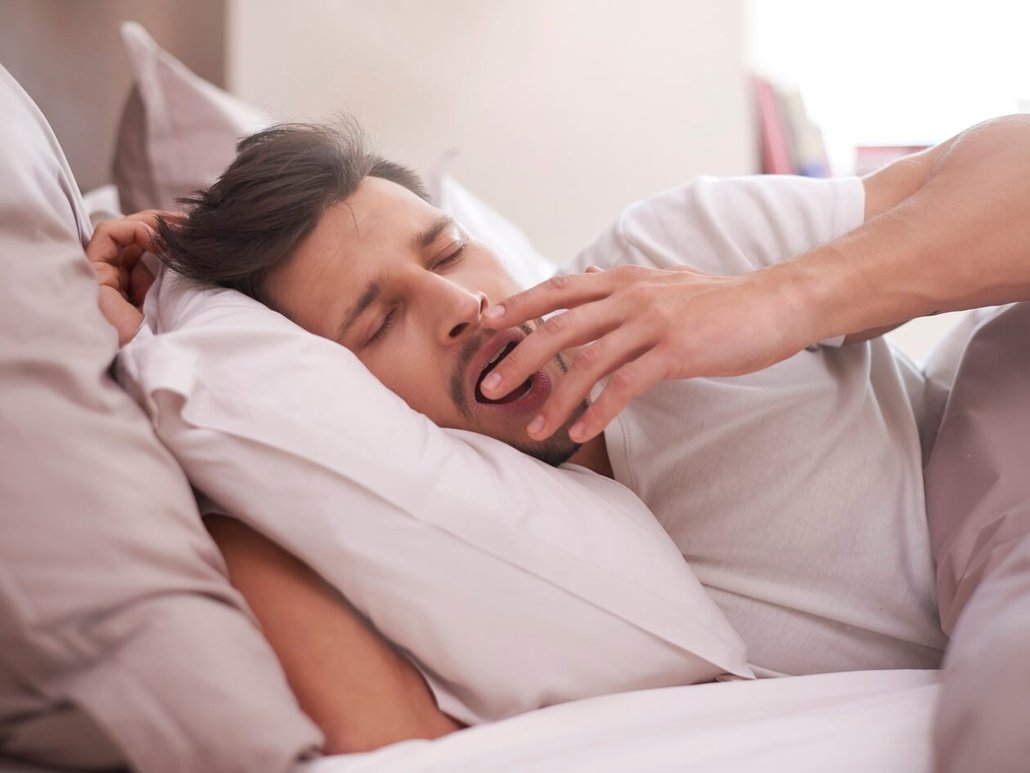
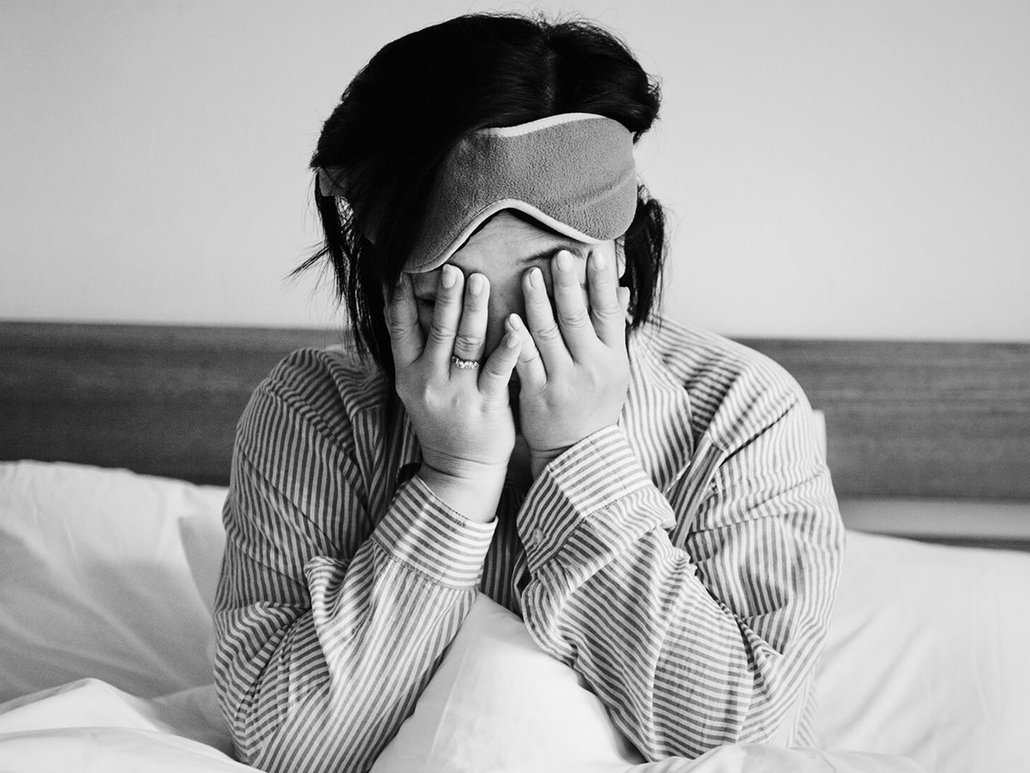
Sleeping difficulties affect more than 75 percent of Americans between the ages of 20 and 59. Poor sleep or difficulty falling asleep can result from a number of factors including stress, poor health, obesity and outside influences. When sleep issues continue to occur on a regular basis and interfere with daily life, they may indicate a sleep disorder. A continued lack of sleep can affect productivity, concentration, mood and overall health.

What are my treatment options?

Knowing how to treat sleep disorders is half the battle. While some less prevalent sleep complications can be easily treated with lifestyle changes such as meditation or avoiding caffeine throughout the day, others require more specialized diagnosis and treatment, which is the case with most chronic sleep disorders. Many people with sleep disorders choose to seek out medical professionals in the sleep medicine field to assist with their sleep disorders treatment.

What is sleep medicine?

Sleep medicine is one way to treat many chronic sleep disorders. Sleep medicine is a practice where trained specialists—or sleep doctors—can assist patients who suffer from disorders or conditions that affect their ability to fall asleep, stay asleep or experience restful sleep. Physicians trained in the field of sleep medicine can research, diagnose, treat, prevent and manage complications surrounding sleep.

What types of sleep disorders can be treated with sleep medicine?

Sleep medicine physicians can treat many sleep disorders and diseases, including:

–        Obstructive sleep apnea

–        Insomnia

–        Narcolepsy

–        Restless Leg Syndrome (RSL)

–        Sleepwalking

–        Central sleep apnea

–        Circadian rhythm disorders

–        Nightmares or night terrors REM behaviors disorder

–        Parasomnias

–        Teeth Grinding

What are some symptoms of sleep disorders?

The first step in treating a sleep issue is recognizing the tell-tale signs of a sleep disorder. Don’t just write your lingering sleep issues off as “too much caffeine” or being “overstressed.” If believe your sleep issues are related to something beyond too much caffeine or stress, you may want to talk to you doctor about seeing a sleep medicine specialist. Some common signs of a sleep disorder are:

–        Difficulty falling asleep or staying asleep

–        Daytime fatigue

–        Exhaustion

–        Irritability or anxiety

–        Falling asleep during the day

–        Urge to take naps during the day

–        Lack of concentration

–        Depression

How are sleep disorders diagnosed? 

Sleep specialists use several researched methods to diagnosed sleep-related issues, including questionnaires, apnographs, overnight sleep studies, screening devices, home sleep studies, polysomnograms and more. Once a sleep disorder is diagnosed, a sleep physician can treat using tailored methods for wellness.

Don’t allow chronic sleep deprivation and exhaustion negatively affect your life any longer. If, like many Americans, you have chronic sleep issues, talk to your doctor about sleep medicine. After specialized treatment from sleep medicine professionals, you may find you have more energy, concentration and productivity than you know what to do with!

https://pulmonaryassociatesofbrandon.com/wp-content/uploads/2018/11/Sleep-Disorder.jpg 948 1263 admin https://pulmonaryassociatesofbrandon.com/wp-content/uploads/2026/10/logotipo.png admin2018-11-26 19:44:112026-10-27 15:55:01What Types Of Sleep Disorders Can Be Treated With Sleep Medicine?

10 Ways Visiting Our Sleep Disorder Center Can Help

1 febrero, 2018/in Sleep Medicine

Sleeping in your own bed is probably one of the best things in the world, but when you’re not sleeping properly not even a comfy, familiar bed is enough to make you feel better.

Visiting a sleep disorder center or staying overnight for sleep research studies might seem uncomfortable, awkward, or downright annoying, but it a very easy, informative, and beneficial process that can potentially improve your ability to fall asleep and/or stay asleep, as well as diagnose any unknown sleeping disorders that you might be suffering from.

Here are 10 reasons why you should consider visiting the Florida Sleep Disorder Center in Brandon or Sun City:

1. It will make you feel better! Most importantly, the experienced team at the Florida Sleep Disorder Center can help you live a healthier, more rested life. Suffering from a sleep disorder is very detrimental to your general quality of life (and maybe even your partner’s). Through state of the art diagnostic testing and quality care, the experts at our Florida Sleep Disorder Center may be able to not only diagnose the source of your sleeping woes, but also help you come up with an appropriate treatment plan that will improve your quality of life.

2. The experts at Florida Sleep Disorder Center have over 30 years of experience diagnosing pulmonary and sleep conditions. Their team has helped thousands of people with sleep disorders get on the road to happy, healthy, restful sleep. Their physicians are board certified in Internal Medicine, Critical Care, Pulmonology and Sleep Medicine, so you know you’ll be getting the best treatment and care available.

3. In-lab testing is easy and comfortable. Some patients are nervous about staying overnight at the Florida Sleep Disorder Center, and they imagine it’s probably like spending the night at a hospital. But, the accommodations are actually very relaxing and comfortable! Each bedroom is furnished with a queen-sized bed, reading material, a lamplight, and a television. It is almost like staying in a hotel.

4. The Florida Sleep Disorder Center offers both in-lab and at home diagnostic testing. If you’re lucky enough, you may be able to take the diagnostic test at home.

5. An accredited sleep specialist can determine which disorder is affecting you. The specialists at the Florida Sleep Disorder Center are uniquely qualified to analyze your symptoms and determine which sleep condition may be impacting your life. They have many diagnostic tools and years of experience at their disposal.

6. It may be hard to determine which sleep disorder you have elsewhere. The term “sleep disorder” is an umbrella term that encompasses many different conditions such as sleep apnea or obstructive sleep apnea syndrome (OSAS), narcolepsy, insomnia, and restless leg syndrome (RLS). There are hundreds of sleep-related disorders, and unless your regular doctor also specializes in Pulmonology or Sleep Medicine then it’s unlikely that they’ll be able to identify which sleep disorder you have. It’s better to visit a specialist who’s been studying sleep disorders for decades and is specifically trained to diagnose and treat these types of conditions.

7. Loud snoring can be more serious than expected. Snoring loudly is certainly a bother to one’s partner, but it could also be a serious sign of breathing complications or stress on vital organs. So, whether or not you think it’s serious, it’s probably best to let a specialist decide.

8. Treating your sleep disorder will benefit your waking life. Jobs, relationships, health, safety, and productivity are all negatively impacted by fatigue. If these areas are suffering, then it may be because you are not getting enough restful sleep. We can help you regain your energy, motivation, and drive simply by addressing and improving the way in which your sleep.

9. More than 100 million Americans fail to get adequate sleep. A variety of sleep disorders affect people of all ages, and these disorders affect patients in a myriad of different ways from depression to heart problems. These causes are very serious and should be prevented as much as possible, let us help!

10.  A good night’s sleep is more important than you may realize. Not only does restful sleep help your mood and appearance, it also benefits your heart, weight, and mind. Sleep is a basic necessity of life, as important as food, air, or water.

We hope we have convinced you to try out our sleep research studies if you think you may be suffering from a sleep disorder. In any case, you’re probably more informed now then you were before! Unsure whether you have a sleep disorder, want to improve your sleep and live a healthier life? Book an appointment and give us a visit!

https://pulmonaryassociatesofbrandon.com/wp-content/uploads/2018/02/Sleep-Disorder-02.jpg 948 1263 admin https://pulmonaryassociatesofbrandon.com/wp-content/uploads/2026/10/logotipo.png admin2018-02-01 18:11:002026-10-27 22:17:0410 Ways Visiting Our Sleep Disorder Center Can Help

Parasomnias 101: Sleep-Related Eating Disorder (SRED)

10 noviembre, 2017/in Sleep Disorders

You probably won’t find a person who’s never been caught eating late at night, especially if the fridge is full of scrumptious food and kind of beckons you to check it out. However, if you are regularly binge-eating at night and can’t fully control your nighttime routine, it’s time to seek professional help. Many people don’t know this, but the urge to binge-eat at night may signal a sleep-related eating disorder (SRED) that can be very dangerous for your overall health. Never heard of a sleep-related eating disorder? Don’t feel bad, most people haven’t. Here are the ins and outs:

What Is A Sleep-Related Eating Disorder (SRED)?

Sleep-related eating disorder is classified as parasomnia and is characterized by abnormal eating habits during the night time. Unlike nocturnal eating syndrome (NES), sleep-related eating disorder mostly affects people when they are partially or fully asleep and can’t control their actions.

During a sleep-related eating disorder attack, people can consume abnormal combinations of foods in substantially large amounts. On top of that, a person suffering from a sleep-related eating disorder will only partially remember that they were eating something at night.

Sometimes it may be challenging to wake up a person during an episode of SRED; instead, there’re high chances to arouse aggression and resistance.

Who Is At A Higher Risk For Sleep-Related Eating Disorder (SRED)?

While both males and females can suffer from SRED, women are often at higher risk, with 70% of all sufferers being female.

Additionally, people who suffer from any eating disorders like bulimia or purging disorder are just as exposed to the risk of getting a sleep-related eating disorder as other sleep disorder sufferers. For example, around half of SRED sufferers have had at least one other type of sleep disorder prior to obtaining a sleep-related eating disorder. Most often people who are exposed to sleepwalking, another type of parasomnias, have the highest chances to obtain SRED in the future.

Finally, some types of medications like hypnotic sleep medications, antidepressants, or antipsychotics may significantly increase the risk of developing a sleep-related eating disorder. 

Complications That May Arise From Sleep-Related Eating Disorder

If your sleep-related eating disorder occurs frequently enough, it can cause a number of unpleasant—and even dangerous—conditions. Some examples of the most common are:

  • Sleep-related injury
  • Stomach pain
  • Food poisoning
  • Weight gain
  • Increased risk of Type 2 Diabetes
  • Daytime tiredness from poor sleep

Symptoms Of Sleep-Related Eating Disorder

All sleep-related eating disorder attacks occur at earlier stages of your sleep cycle and can include:

  • Nighttime eating and drinking out of control
  • Partial or no memory of the episode the next day
  • Trouble being awakened during SRED episodes
  • Injuries during SRED episodes
  • Eating bizarre food combinations that a person’s body is not used to

How Are Sleep-Related Eating Disorders Treated?

After an initial interview with your doctor, who will ask detailed questions about your daily and nightly routine, you’ll probably be invited to stay one or more nights at a sleep center in order to monitor your brain activity at night. Once your brain activity is measured and analyzed, your sleep doctor will find an appropriate treatment aimed at addressing the factors that trigger your sleep-related eating disorder. For example, if you suffer from another food-related disorder, your treatment will include a therapy towards both disorders, which will help mitigate the effects of each.

https://pulmonaryassociatesofbrandon.com/wp-content/uploads/2017/11/Parasomnias-Sleep-Related-Eating.jpg 948 1263 admin https://pulmonaryassociatesofbrandon.com/wp-content/uploads/2026/10/logotipo.png admin2017-11-10 20:09:072026-10-27 22:20:01Parasomnias 101: Sleep-Related Eating Disorder (SRED)

Sleep Disorders 101: Parasomnias

29 septiembre, 2017/in Sleep Disorders

Parasomnias, just like most other sleep disorders, are always underrated. Ideally, if your sleep is normal and you don’t experience any sleep disorders, you should always wake up rested and full of energy. Yet, many of us complain about feeling sleepy every single day, blaming anything and everything – work, kids, those noisy neighbors, stress – but never consider that there could be a medical reason for our fatigue. The sad fact is that many of us have one type of parasomnia or another without even knowing it.

What Are Parasomnias?

The term “parasomnia” refers to an entire group of sleep disorders that cause numerous troubles while you are falling asleep, sleeping, or waking up. Parasomnias include irregular physical or verbal activities and can be disruptive to both the person experiencing parasomnias and the bed partner.

The most dangerous aspect is that you remain asleep during all activities and don’t recall anything disturbing in the morning. Most common parasomnias are sleepwalking, sleep terrors, sleep-related eating disorders, confusional arousals, nightmare disorders, sleep paralysis, bedwetting, sleep hallucinations and sleep talking.

When Do Parasomnias Occur?

Parasomnias can be experienced at all stages of sleep and have different symptoms depending on which sleep cycle they occur during. If they occur while you are falling asleep, you may experience hallucinations or sleep paralysis, where you still feel awake but can’t really move. Once you are already asleep, parasomnias often present as abnormal dream-enacting behaviors. When you are waking up, you might have hallucinations or sleep-related eating disorders.

What Causes Parasomnias?

There are a number of different risk factors that might contribute to parasomnia development. Some of the most common are the following:

  • Age: Age would certainly be an important factor since parasomnias like bedwetting and sleepwalking often occur during childhood.
  • Stress: Stress is also a heavy contributor to different types of parasomnias like sleepwalking, night terrors, sleep-related eating disorders, sleep paralysis and more. 
  • Genetics: Additionally, genetics can play a huge role. If your parents struggle with any types of parasomnia, you are most likely to have them as well.
  • Drug and alcohol abuse: It will not only ruin your liver but also cause a whole bouquet of new parasomnias and definitely worsen any existing ones.
  • Medicine: No matter how effective your medications are, some of them may have various types of parasomnias as a side effect.
  • PTSD: Post-traumatic stress disorder (PTSD) is frequently associated with a type of parasomnias like nightmare disorder. Almost ⅘ of PTSD patients would experience nightmare disorder during at least 2-3 months after the trauma.

What Are The Types Of Parasomnias?

There are two main types of parasomnias, which are classified by sleep cycle they occur at: NREM and REM parasomnias. NREM parasomnias occur earlier at night, while REM parasomnias occur at later stages of the sleep cycle.

NREM parasomnias include, but are not limited to:

  • Sleep talking (somniloquy)
  • Sleepwalking (somnambulism)
  • Sleep-related eating disorder (SRED)
  • Sleep-sex (sexsomnia)
  • Sleep terrors (pavor nocturnus)
  • Confusional arousals
  • Exploding head syndrome (EHS)
  • Teeth grinding (bruxism)
  • Restless legs syndrome (RLS)

REM parasomnias include, but are not limited to:

  • Sleep paralysis
  • Breath-holding (catathrenia)
  • REM sleep behavior disorder (RBD)
  • Nightmare disorder

When Should I Visit The Doctor?

Although it’s not uncommon to experience some type of sleep disorder from time to time, especially during a time of extreme stress, some symptoms require immediate medical attention. Make sure you visit the doctor if your sleep behavior is negatively affecting you or others.

In addition, you can take a short Epworth Sleep Scale test to figure out if your sleepiness is beyond the normal range of healthy adults. And, of course, if you experience any abovementioned symptoms, don’t hesitate to contact our Florida Sleep Disorder Center. For over 30 years of practice, our team has helped thousands of patients with sleep disorders and will be happy to help you!

https://pulmonaryassociatesofbrandon.com/wp-content/uploads/2018/06/Somniloquy.jpg 948 1263 admin https://pulmonaryassociatesofbrandon.com/wp-content/uploads/2026/10/logotipo.png admin2017-09-29 16:08:292026-10-26 21:32:42Sleep Disorders 101: Parasomnias

7 Ways Our Sleep Center Can Help Improve Your Daily Life

24 agosto, 2017/in Sleep Medicine

Lack of sleep causes both men and women of all ages problems with concentration, performing daily tasks, mood, and even your general health. You probably already know that sleep is essential for physical and mental health, but did you know that it can also impact things like your weight and memory loss? Our Florida Pulmonary Associates & Sleep Centers can help you tackle difficult sleep disorders that affect your daily life and help you live a happier, healthier life.

Our sleep centers have been providing sleep disorder treatments for over 30 years. We treat a variety of common sleep disorders including chronic insomnia, sleep apnea, narcolepsy, restless leg syndrome and even excessive snoring. We use a variety of treatments to help patients develop a regular night time routine, explore possible treatment options and also support patients as they make lifestyle changes that can drastically improve their sleep health.

If you suffer from lack of sleep every night or you regularly wake up late for work due to tossing and turning all night, it might be time to consider a sleep study. When working to perform daily tasks, if you have trouble concentrating and finishing projects or your moods are erratic and your energy level is consistently low, it’s time. Lack of sleep has started taking its toll on your daily life, but we can help get you back on track.

Below are seven ways our sleep center can change your life for the better.

7 Ways Participating in a Sleep Study Can Improve Your Life:

Better Memory and Concentration

Treatment for your sleep disorder leads to improved memory and concentration. Oftentimes, lack of sleep leads to increased trouble studying, working and performing daily tasks. When you start your treatment, you will start to find it easier to focus on completing tasks and projects, and you’ll realize that you make fewer mistakes. Bonus, better sleep health can also help you feel more creative!

Improved Emotional Wellbeing

Lack of sleep can often lead to feeling irritable and poor judgment when making decisions. You may find yourself getting angry more easily with family and co-workers. Sometimes you may get so upset that you cry over the simplest things. The right sleep therapy can help you improve your emotional stability. This will restore your peace of mind and help you to feel better during the day.  

Increased Natural Energy Levels

If you feel like you have to drag yourself through the day drinking copious amounts of coffee and eating sugary, junk food to keep you going – you’re not living your healthiest life. Due to your lack of sleep, it may also be hard to find the inspiration to exercise or even perform your daily tasks and chores. Our sleep studies help us also devise a treatment plan for you that will include diet, exercise and lifestyle changes that lead to increased natural energy levels.

Read More: How Much Does a Sleep Study Cost?

Better Weight Management

 Sleep problems often lead to poor eating choices and lack of discipline with dieting.  Sleep disorders can cause the body to have problems burning calories and lead to increased appetites.  Oftentimes, lack of sleep can lead to your food not being processed properly in the body because of your irregular habits.  When people get their sleep routine back on track, paired with a healthier diet plan, many sleep medicine patients will see significant weight loss.

Protection Against Illness

A good night sleep reduces the chance of inflammation in your cardiovascular system which reduces the chance of heart disease.  Better sleep habits can also help control blood pressure and cholesterol issues. When we sleep, our body also produces more protein molecules that protect against infections, which is why your doctor recommends that you rest when you get a cold. Resting can help keep your mild cold from developing into a more serious issue!  

Fewer Accidents on the Road, Work, or Home  

All too often, a lack of sleep is the culprit of minor or serious car accidents on the road. Many patients with severe sleep disorders have even reported falling asleep while they’re behind the wheel! Getting treatment for your sleep disorder can decrease your chances of accidents that threaten your life and the lives of others around you.

If you feel like any of the scenarios above apply to you, consider participating in a sleep study to evaluate your overall sleep health and we’ll offer treatment options that work for you.  Schedule an appointment online today or check out more resources we have on sleep medicine and our treatment options.

https://pulmonaryassociatesofbrandon.com/wp-content/uploads/2017/08/Sleep-good.jpg 948 1263 admin https://pulmonaryassociatesofbrandon.com/wp-content/uploads/2026/10/logotipo.png admin2017-08-24 15:43:072026-10-27 22:23:417 Ways Our Sleep Center Can Help Improve Your Daily Life

Sleep Study Costs: Does Insurance Pay for Sleep Studies?

4 agosto, 2017/in Sleep Medicine

Polysomnography? Oh gosh, that sounds expensive.

Well really, it is just the fancy word doctors use for a sleep study. Sleep studies are overnight exams that doctors conduct to diagnose sleep disorders. During the study, REM cycles, non-REM cycles, oxygen levels, eye movements, and heart rates are all observed by our sleep specialists who evaluate any issues the patient has during sleep. The most common sleep disorders our doctors find in patients during sleep studies are insomnia, sleep apnea, restless leg syndrome, and narcolepsy.

So, if sleep studies help answer important questions about a patient’s sleep health and are integral to creating a treatment plan… does insurance cover the sleep studies and if not, how much do the studies cost?

How much does a sleep study cost?

Yes, sleep studies are usually covered by health insurance.

Most sleep disorder centers are just like a regular doctor’s office and accept multiple insurance plans. This can make the entire process of going through a sleep study much easier, though it is always smart to check with your insurance company and plan first to see if they cover sleep study costs. Insurance companies are there to help, so never be afraid to ask questions.

There is no real estimate of how much a sleep study could cost. Some sleep disorder clinics could charge as little as $600 while some charge up to $5,000 a night. Because of the varying prices of studies, the amount of money insurance covers also varies.

When a patient pays their deductible for their insurance can affect how much money they are paying out of pocket as well.

Co-Payments for Sleep Studies

Co-payments are always due at the times of service, however. These co-payments can vary depending on the services being provided and how often they are being provided. These co-payments are not covered by any insurance plans and can be made with cash, check, or credit card.

Other Fees

Other fees that can come up while going through the process of a sleep study are ones that come with further testing. The doctor might want x-rays or labs that some insurance companies might not cover. Once again, it is always smart to check first, so there is no surprise when the bill comes.

The Importance of Sleep

If an insurance company is giving a patient a hard time, most sleep disorder centers will help back up the patient on the importance of the process. Not only does sleep help mental health, but it is also important for a person’s physical health. Sleep deficiency caused by disorders is found to increase heart and kidney disease, diabetes, and high blood pressure. Sleep studies that pinpoint a patient’s problem can be the first step in the process to prevent these further and more serious issues.

Fees Down the Road

Remember, a sleep study is to figure out what is going wrong with your sleep cycle. Because of this, there could be more fees for treatment, medication or other types of solutions. Sleep Apnea, for example, requires additional sleep studies and tests because of the severity of the problem. Keep this in mind and plan ahead with your insurance company.

https://pulmonaryassociatesofbrandon.com/wp-content/uploads/2017/08/Polysomnography.jpg 948 1263 admin https://pulmonaryassociatesofbrandon.com/wp-content/uploads/2026/10/logotipo.png admin2017-08-04 19:10:322026-10-27 22:25:18Sleep Study Costs: Does Insurance Pay for Sleep Studies?

Search

Search Search

Table of Content

Categories

Archive

Search

Search Search

Where Quality Care is Just a Breath Away!

  • Privacy Policy

Menu

  • Welcome
  • Services
    • Lung health services
    • Sleep Medicine
  • Patients
  • Our Team
    • FAQ
  • News
  • About us
  • Contact

Opening Hours

Mo-Fr: 8:00-22:00
Sa: 8:00-24:00
So: 8:00-14:00

Call us or send a message

To request an appointment.
Call 813-681-4413, ext. 227.

Not for emergencies. If you are having a medical emergency, call 911. For urgent concerns, call our office at 813-681-4413.

Scroll to top Scroll to top Scroll to top