
floridachest
  • Welcome
  • Services
    • Lung health services
    • Sleep Medicine
  • Patients
  • Our Team
    • FAQ
  • News
  • About us
  • Contact
  • en English
    • en English
    • es Español
  • Menu Menu
  • Welcome
  • Services
    • Lung health services
    • Sleep Medicine
  • Patients
  • Our Team
    • FAQ
  • News
  • About us
  • Contact

Tag Archive for: circadian rhythm disorder

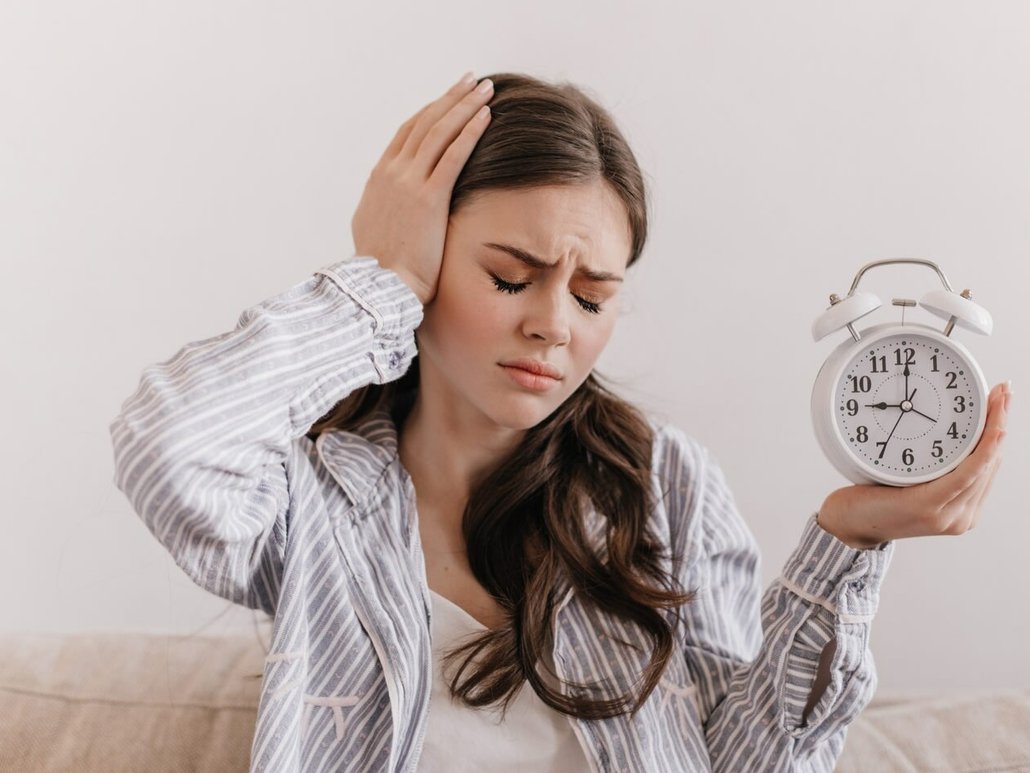
5 Circadian Rhythm Disorders That May Be To Blame For Your Lack Of Sleep
11 julio, 2018/in Sleep Disorders

There are many factors in life that help determine how we sleep and the quality of our sleep. These factors may include our work schedule, our age, where we live, and a number of other things. While sometimes we may be able to solve these issues with lifestyle changes, sometimes we need professional help to help us adjust back into a healthy sleeping pattern, which is also known as a circadian rhythm.

What Is A Circadian Rhythm

The circadian rhythm, also known as the sleep/wake cycle, is a person’s 24-hour internal clock that regulates the periods when we feel awake and when we are drowsy. For example, it’s the reason why you always wake up at a certain time despite not having set an alarm, and why you always get sleepy around a certain time at night.

Our circadian rhythm is also responsible for how awake we feel during the day. It’s why we feel a dip in energy between 2 a.m. and 4 a.m. and between 1 p.m. and 3 p.m., after lunch. This regulatory time clock can sometimes become confused or shift away from the preferred sleep/wake cycle. When this happens, we call the condition a circadian rhythm disorder.

Circadian Rhythm Disorder

If you’re feeling like your sleep schedule is off, no matter what you try, then you may be experiencing a circadian rhythm disorder. Here are 5 of the most common circadian rhythm disorders that you should know about.

  1. Shift Work Disorder: Since a natural circadian rhythm is, in part, balanced by the amount of sunlight you receive, working overnight or rotating shifts at work can seriously disrupt our circadian rhythm. Even though we sleep, we may not feel as rested, or we may always feel exhausted.
  2. Narcolepsy: This serious condition is characterized by experiencing intense bouts of daytime sleepiness and uncontrollable episodes of falling asleep, despite having gotten proper sleep throughout the night.
  3. Delayed Sleep Phase Disorder: This condition prevents people from falling asleep until very late in the night, oftentimes until 2 a.m. or later. It’s typically found in adolescents and young adults, but it may persist for years and can lead to impairment at work or school.
  4. Advanced Sleep Phase Disorder: Unlike delayed sleep phase disorder, people who experience advanced sleep phase disorder will probably go to bed very early and then have trouble staying asleep past early morning hours, like 3 a.m. This condition is mostly found in elderly people and it can also persist for years and lead to impairment.
  5. Jet Lag: Travelling to an area with even a slightly different time zone can throw anyone off because our circadian rhythms function based on the time zone where we typically reside. Though this condition is only temporary, it can affect the quality of our sleep, or our ability to fall asleep until our circadian rhythm adapts to the new time zone.

How To Reset Circadian Rhythm

Before setting up any sort of treatment, it will probably be necessary to conduct a sleep study at our Sleep Disorder Center. Once a sleep study is conducted, our sleep specialists will be able to determine the best course of treatment for your specific circadian rhythm disorder.

More Information

If you or someone you know is having a hard time falling or staying asleep, then it may be time to visit our Sleep Disorder Center. Contact us today to schedule an appointment with one of our sleep specialists.

https://pulmonaryassociatesofbrandon.com/wp-content/uploads/2018/07/Circadian-Rhythm-Disorders.jpg 948 1263 admin https://pulmonaryassociatesofbrandon.com/wp-content/uploads/2026/10/logotipo.png admin2018-07-11 17:15:472026-10-27 20:21:015 Circadian Rhythm Disorders That May Be To Blame For Your Lack Of Sleep

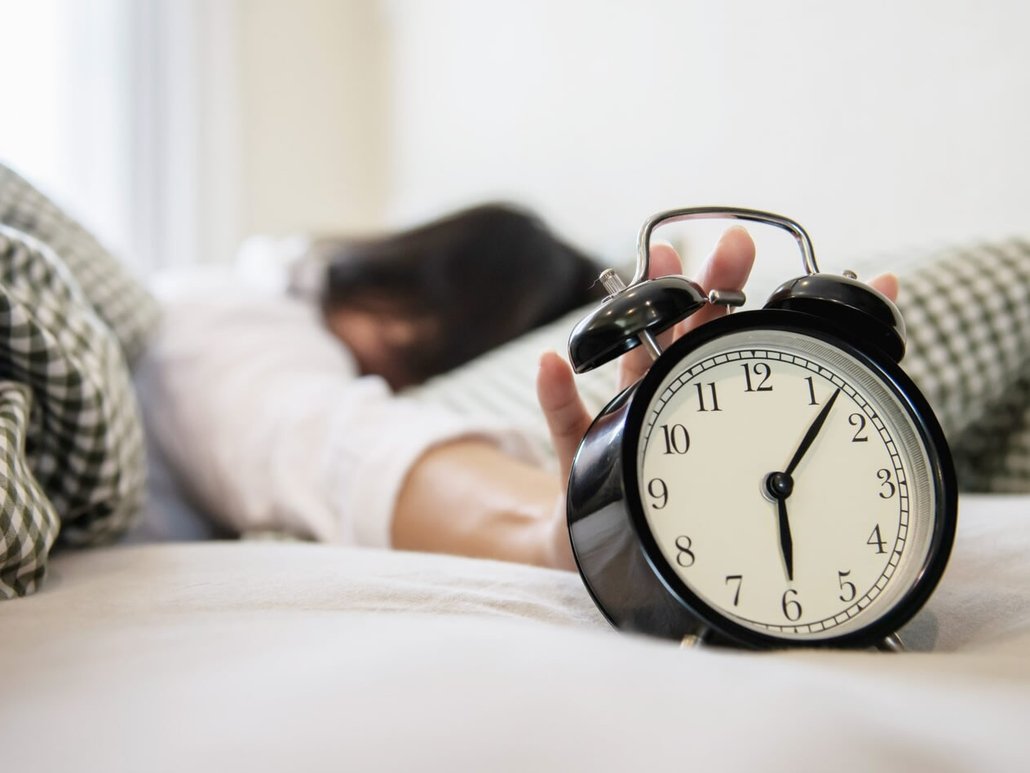
What Is the Circadian Rhythm And How Does It Affect Sleep?

21 julio, 2017/in Sleep Medicine

If you have trouble getting to sleep or waking up at a normal hour, then you may have heard someone tell you that your circadian rhythm may be off. But what is circadian rhythm exactly? How does this sleep disorder affect your ability to sleep?

The short answer is that your circadian rhythm is your internal body clock, a roughly 24-hour cycle that dictates when you feel drowsy and when you feel alert. According to Dr. Rolando Sanchez, “the circadian rhythm is a cycle of hormones that tells you when to sleep. Some people, such as overnight workers, are more prone to have circadian problems.”

How Does the Circadian Rhythm Disorder Work?

So what are circadian rhythms? The word circadian comes from two Latin words circa (meaning around) and Diem (meaning day), which means that a circadian rhythm is any endogenous biological timing mechanism that works on a 24-hour cycle. Endogenous means that it is internal and self-sustained, but in the case of human circadian rhythm it is also regulated and adjusted by external factors such as exposure to sunlight, temperatures, and sleep schedule.

The circadian rhythm is regulated by the hypothalamus, a region in the brain. The hypothalamus is the area of the brain that is responsible for the creation of many hormones and the maintenance of homeostasis, or the body’s status quo. Hypothalamic hormones regulate temperature, thirst, hunger, mood, sex drive, and sleep. The hypothalamus is also responsible for distributing hormones throughout the rest of the body.

Melatonin is one of these hormones that is regulated in the hypothalamus. Melatonin is distributed in accordance with light exposure. At night, when it is dark your eyes send a signal to your hypothalamus which then sends a signal to the body to release melatonin which makes you tired. This tends to happen relative to the 24-hour cycle of the circadian rhythm, but that rhythm can get out of sync if a person is habitually not exposed to light.

> Sleep Medicine Treatment Options

Circadian Rhythm Disorders:

The key feature of circadian rhythm sleep disorder is continuous or occasional disruptions in sleep patterns. To put it simply, they are disruptions in a person’s circadian rhythm. These disorders come in a few different forms, but they are usually caused by a mismatch in the hormone cycle of the rhythm and the external factors that influence it. So, people who work nonstandard hours or live in areas that stay light or dark for extended periods of time are most likely to be affected.

Scientists are still doing research on circadian rhythm sleep, and other possible causes and risk factors for disorders. Some studies suggest depression, obesity, diabetes, and bipolar disorder as being linked to circadian rhythm disorders. Let’s look at a few common disorders:

  • Jet Lag: You have probably experienced this or known someone who has experienced jet lag but never known that it is a disorder of your circadian rhythm. The conflict between the body’s internal rhythm and the new time zone can cause disruptions in sleep patterns. But this condition typically goes away in a short amount of time.
  • Shift Work Disorder: This affects people who frequently rotate shifts or work at night. Forcing yourself to stay awake all night habitually can cause the mismatch in your body clock that disrupts sleep patterns and leads to insomnia and excessive sleepiness.
  • Delayed Sleep Phase Disorder: This disorder typically occurs in adolescents and young adults. It results in people who cannot get to bed until 2 a.m. or later, and can lead to impairment at work or school and daytime sleepiness. Unlike jet lag, this is a recurring condition that can persist for years.
  • Advanced Sleep Phase Disorder: This disorder is typically seen in the elderly. It can be identified by early bedtimes and early morning awakening. People with this disorder may wake up at 3 a.m. and not be able to get back to sleep. This is also a recurring condition that can persist for years.
  • Narcolepsy: Narcolepsy can be a serious problem in which people experience intense daytime sleepiness and uncontrollable episodes of falling asleep in the daytime despite getting adequate sleep at night.

More Information on Circadian Rhythm Disorder

Sleep deprivation can be a very serious thing, and if you experience it you should undergo a sleep study to see what is causing it. The Pulmonary Associates of Brandon offer state of the art equipment and comfortable environments to undergo sleep studies and get you on the way to restful, normal sleep.

https://pulmonaryassociatesofbrandon.com/wp-content/uploads/2018/03/Insomnia.jpg 948 1263 admin https://pulmonaryassociatesofbrandon.com/wp-content/uploads/2026/10/logotipo.png admin2017-07-21 18:55:122026-10-27 22:26:38What Is the Circadian Rhythm And How Does It Affect Sleep?

Search

Search Search

Table of Content

Categories

Archive

Search

Search Search

Where Quality Care is Just a Breath Away!

  • Privacy Policy

Menu

  • Welcome
  • Services
    • Lung health services
    • Sleep Medicine
  • Patients
  • Our Team
    • FAQ
  • News
  • About us
  • Contact

Opening Hours

Mo-Fr: 8:00-22:00
Sa: 8:00-24:00
So: 8:00-14:00

Call us or send a message

To request an appointment.
Call 813-681-4413, ext. 227.

Not for emergencies. If you are having a medical emergency, call 911. For urgent concerns, call our office at 813-681-4413.

Scroll to top Scroll to top Scroll to top