floridachest
  • Welcome
  • Services
    • Lung health services
    • Sleep Medicine
  • Patients
  • Our Team
    • FAQ
  • News
  • About us
  • Contact
  • en English
    • en English
    • es Español
  • Menu Menu
  • Welcome
  • Services
    • Lung health services
    • Sleep Medicine
  • Patients
  • Our Team
    • FAQ
  • News
  • About us
  • Contact

5 Tips For Holiday Traveling With A Lung Disease

24 octubre, 2026/in For Pulmonary Patients

he holiday season is right around the corner, and we can’t believe it! This is always an incredibly exciting time of year, with trips planned and precious time spent with family and friends.

For people with chronic lung diseases or temporary pulmonary conditions, however, the holidays can present a number of challenges as well. Travelling with a lung condition or disease can be complicated, but with proper preparation, you’ll be able to navigate these difficulties with ease while traveling for the holidays.

No matter what your holiday itinerary is, there are 5 major tips you need to follow to make sure your lung condition doesn’t keep you or your family members grounded (yes, even if supplemental oxygen is your best buddy).

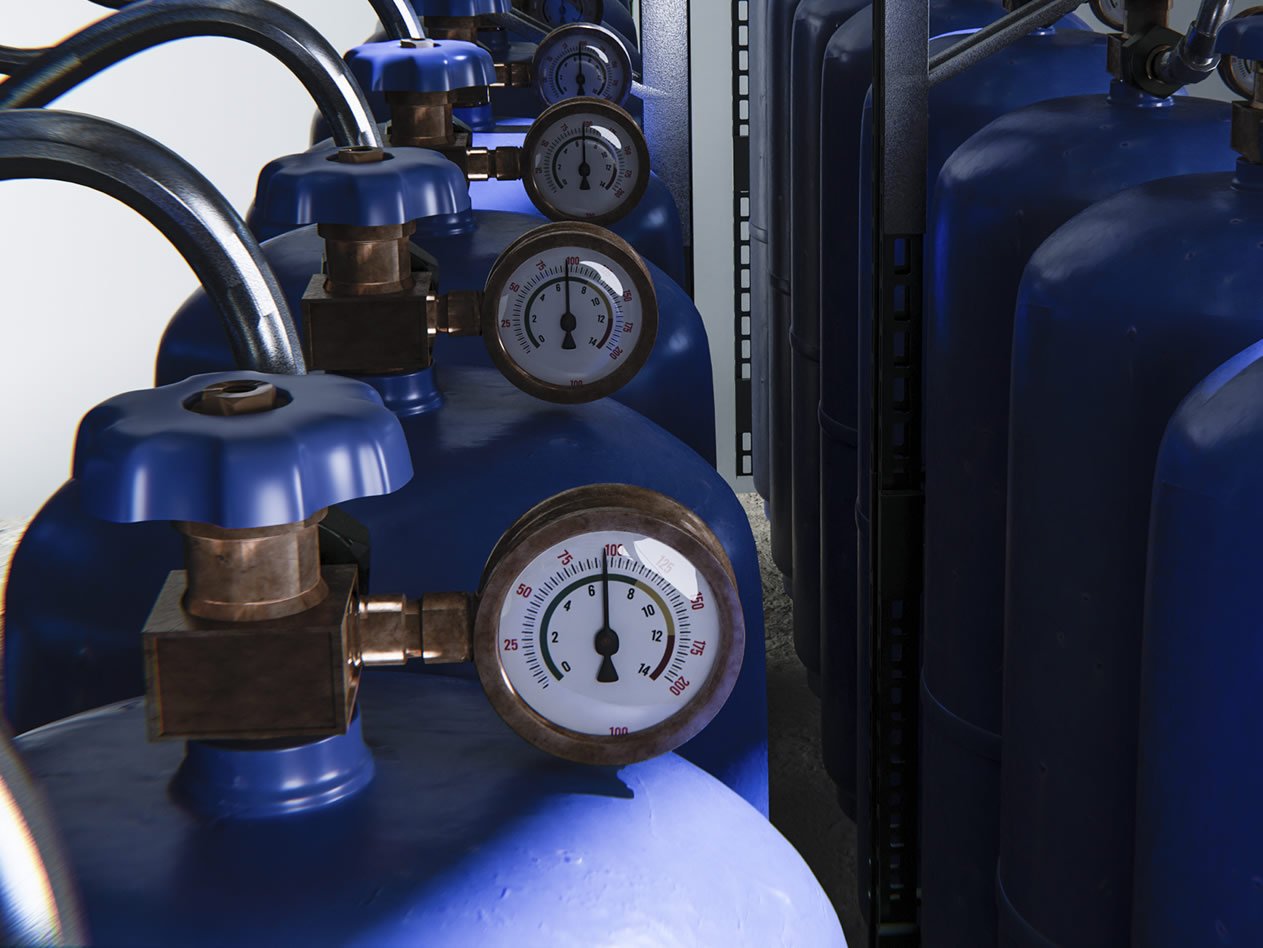
1. Get a spare oxygen tank if your doctor has every prescribed oxygen for you, even if you don’t use supplemental oxygen on a regular basis. If you do use supplemental oxygen, don’t forget to take enough oxygen tanks to cover your holiday travel.

If you’re traveling by plane, don’t forget that the air in the cabin is pretty thin, and sometimes even people with healthy lung functioning may crave more oxygen and require assistance to breathe. Patients with a pulmonary chronic disease or temporary condition like bronchitis or allergic asthma should have an oxygen tank or portable oxygen container with them during their entire holiday travel, just on the off chance that they’ll need it. Don’t forget to take your oxygen prescription and a letter from your doctor with you as well!

2. Arrive at the airport at least 4 hours before a domestic flight and 5 hours prior to international flight to have enough time for a security check.

This rule will be most applicable to people with a portable oxygen concentrator, who will need additional time to go through the security check. Unfortunately, some airlines make It incredibly complicated and don’t allow travelers with special needs to check in online, which means people with a pulmonary chronic disease or temporary conditions who want to bring their portable oxygen concentrator (POC) on board will have to physically check in at the airport.

On top of that, your POC may be examined by the airport security officers, which will take even more time. So, if you want to stay out of a holiday rush, make sure to arrive early and plan accordingly. Also, something very important for a holiday traveler with pulmonary conditions: don’t be shy to ask for a spot in an expedited security line if you are running out of time, just explain your condition to the airport staff and show a doctor’s note.

3. Make sure your accommodation is located on the lower floor, has elevators or special assistance to go up and down.

While stairs and elevations might seem like no big deal during the travel planning stage, it may become a bigger problem on the spot. People with normal lung function will have no problems going up and down stairs or hills as many times as they possibly can – their lungs will be just fine – unless they’re constant smokers who get shortness of breath. However, people with a chronic lung disease or any temporary pulmonary conditions may experience shortness of breath, fatigue, and other life-threatening conditions that can lead to disastrous complications like heart or lung failure.

In order to prevent any risks, be sure to select accommodations that are easily accessible and are not substantially higher or lower than the ground level. When booking your holiday trip, don’t forget to include an additional note requesting appropriate accommodations for a traveler with a pulmonary condition.

4. If traveling to colder places, use appropriate winter gear and wear a mask.

Cold climate has its benefits, but can be extremely harmful to people with pulmonary conditions. People with pulmonary chronic diseases or even temporary conditions have very vulnerable lungs, which means cold weather and dry air can affect the lungs in a negative way, leading to bigger pulmonary conditions.

To combat this, make sure you keep your entire body warm, but not sweaty. In order to prevent sweating, choose layers made from natural materials and try to stay away from synthetics. In addition to that, use a cold weather mask that can warm up the air before it gets into your lungs, making it more comfortable and safe for you and your lungs.

5. Stay away from seasonal infections.

No matter what type of pulmonary condition you have, you don’t want any additional infections in your body, right? So, the most obvious but most important advice would be to think 10 steps ahead and minimize exposure to infection on your holiday journey. Before the travel, make sure you get a flu shot to prevent an infection and a pneumonia shot (if prescribed by your doctor). Besides vaccinations, make sure to wash your hands often, use sanitizing gels or wipes before you touch anything and stay away from crowds.

Despite the fact that traveling with a pulmonary condition may require additional preparation, it can still be a great holiday journey that you will remember your entire life. All you need is to spend some additional time and resources to carefully plan all the details of your travel in a way that accounts for your pulmonary conditions and any complications that may be associated with it. And, of course, if you need help of an experienced pulmonologist, just let us know! We’re here to help you with any pulmonary issues or questions you might have.

Happy Holidays & Safe Travel!

https://pulmonaryassociatesofbrandon.com/wp-content/uploads/2026/10/Holiday-Traveling.png 948 1263 admin https://pulmonaryassociatesofbrandon.com/wp-content/uploads/2026/10/logotipo.png admin2026-10-24 22:32:492026-10-27 15:47:495 Tips For Holiday Traveling With A Lung Disease

Everything You Need To Know About The Pulmonary Function Test (PFT)

5 diciembre, 2018/in For Pulmonary Patients, Lung health

When it comes to pulmonary topics, it can be easy to get confused by all the conditions and tests that exist out there. There are hundreds of pulmonary conditions, and each one has different tests used to diagnose it and varying methods of treatment. Lots of patients want to better understand these conditions, but many of them are too shy to really question their pulmonologist about the purpose of each pulmonary fiction test prescribed.

Luckily, there are lots of ways to educate yourself about these tests and conditions online. By the end of this, we hope you’ll find yourself enlightened, educated, and comfortable discussing PFT’s with your doctor.

What is a Pulmonary Function Test (PFT)?

Pulmonary function test (PFT) is a term used for a number of tests that identify your lung function and the ability of your lungs to deliver oxygen to other organs. PFT’s are non-invasive procedures that measure a patient’s lung volume and capacity, flow rates, and gas exchange.

Your pulmonologist may order any of the different pulmonary function tests in order to give you a precise diagnosis on your condition and choose the best treatment plan. In addition, if you have an existing condition, your pulmonologist will order various pulmonary function tests regularly to see whether your body is responding to the treatment.

What are the types of Pulmonary Function Tests (PFTs)?

Based on your individual condition, a pulmonologist may order one or more of the following tests:

•    Spirometry

A Spirometry measures the amount of air you inhale and exhale, as well as the flow of air.

•    Lung Volumes

This test shows the air volume in your lungs.

•    DLCO

The DLCO measures the ability of your lungs to transfer gas from inhaled air to blood in pulmonary capillaries.

•    Maximal Voluntary Ventilation

This test measures the amount of air you can inhale and exhale in one minute.

•    Oxygen Titration Test

The oxygen titration test identifies the amount of oxygen a patient needs, or tests if a patient on oxygen support is receiving the right amount of oxygen.

•    Six-Minute Walk Test

This test identifies how quickly you can walk on a flat surface for 6 minutes and measures your ability to perform daily tasks.

•    Methacholine Challenge Test

The Methacholine Challenge Test is used for asthma diagnosis in particular and helps to identify asthma or asthma-like conditions using reactive triggers.

•    Cardiopulmonary Exercise Testing

This test measures the patient’s exercise capacity and helps to evaluate the causes of breath shortness or low exercise ability.

•    Fractional Exhaled Nitric Oxide

This test is mostly used for allergic asthma diagnosis; however, it can also be used for other conditions.

•    Impulse Oscillation or Forced Oscillation Testing

This test measures your airways and stiffness in your lungs.

•    High Altitude Simulation Testing

High altitude simulation testing is used for calculating your blood oxygen levels in high altitudes.

Why perform a Pulmonary Function Test (PFT)?

Pulmonary function tests can be ordered by your pulmonologist to identify the pulmonary condition you are suffering from or to track the performance of treatment for an existing condition. Performing PFTs will actually help to diagnose and treat all pulmonary diseases including but not limited to asthma, allergy, lung fibrosis, lung cancer, sarcoid, and chronic bronchitis.

What are the risks associated with a Pulmonary Function Test (PFT)?

Pulmonary function tests are non-invasive and, in most cases, do not cause any complications. That being said, there are some exceptions you need to be aware of. On rare occasions, PFTs can cause dizziness, coughing, asthma attack, and shortness of breath. Also, people who’ve had recent eye, belly, or chest surgery, as well as recent heart attack or active tuberculosis, should not undergo pulmonary functioning tests.

How to prepare for Pulmonary Function Tests (PFTs)?

Make sure you disclose all your medical information to your doctor, including over-the-counter and prescription medications you take and conditions you have. For example, if you are on medications that widen your airways, in most cases, your pulmonologist will ask you to stop using them before the test to get unbiased results. On top of that, make sure you don’t overeat prior to the test, as a full stomach can affect lung functionality for a short period of time, which can alter the results. And, finally, avoid caffeine and nicotine that can also affect your test results. 

Where to get Pulmonary Function Tests (PFTs) done?

With a large variety of pulmonary function tests available, it’s quite easy to get lost and is hard to identify on your own the ones you actually need. If you ever experience any disturbing pulmonary symptoms, feel free to reach out to the Pulmonary Associates of Brandon and schedule an appointment with one of our pulmonologists who, based on your condition, will prescribe the appropriate pulmonary function tests for you to undergo at our practice.

https://pulmonaryassociatesofbrandon.com/wp-content/uploads/2018/12/Pulmonary-Function-Test.jpg 948 1263 admin https://pulmonaryassociatesofbrandon.com/wp-content/uploads/2026/10/logotipo.png admin2018-12-05 16:38:002026-10-27 15:53:53Everything You Need To Know About The Pulmonary Function Test (PFT)

5 Things We Are Thankful For This Thanksgiving

21 noviembre, 2018/in For Pulmonary Patients

Thanksgiving is a unique holiday for Pulmonary Associates of Brandon, one that gives us an opportunity to show our appreciation to all the people who have walked through our doors over the years, and the many factors that contribute to the overall well-being and success of our patients and the healthcare industry as a whole. While we’re thankful for a lot of things every single day of our lives, today we would like to share 5 special things we are particularly thankful for this Thanksgiving:

We are grateful for our precious patients who entrust their health to us.

Our dear patients, we are truly thankful for having you in our lives! Our first and foremost goal is to make you happy and healthy – you are our friends, teachers, and the main motivation to grow personally and professionally every day. It warms our hearts to read your reviews and realize that we were granted an exceptional chance to impact someone’s life, and another patient was able to fight a lung cancer or any other life-threatening condition. We truly hope that you will never experience any health issues, but if you ever need help, we are here to provide pulmonary and sleep care you will love. Our hearts chose to serve you and we will stand by our pledges in any circumstances.

We are thankful for our brilliant Pulmonary Associates of Brandon team.

Did you know that every Pulmonary Associates of Brandon team member is unique in his/her own ways? Our team is full of compassionate and clever people who always strive for success and go out of their way to help each and every single person that walks through our doors. It’s a pleasure to work with a healthcare team that supports each other and shares common values. Wondering what makes our practice so special? The answer is obvious: our staff and physicians that absolutely love what they do!

We are thankful for the research opportunities that advance healthcare worldwide.

Pulmonary Associates of Brandon Clinical Research is a multi-specialty research center dedicated to offering our patients the highest quality of care, cutting-edge technology, and research trials that make a positive difference. This Thanksgiving we’re thankful for the opportunity to conduct research studies because FDA approved research is a crucial part of discovering new treatments and devices for existing medical conditions worldwide. So far, our center has participated in more than 125 clinical trials in the areas of COPD, Asthma, Irritable Bowel Syndrome, Diabetic Painful Neuropathy, Sleep Apnea, and much more. Our research findings have helped hundreds of patients to receive advanced treatment that was never used before and opened the door to new treatment methods worldwide.

We are grateful for our sleep disorder center that helps dozens of patients every day.

For millions of Americans, getting a good night’s sleep and waking up rested can be quite difficult. Did you know that more than 100 million Americans of all ages regularly fail to get a good night’s sleep? That’s why we are grateful for an exceptional opportunity to help our patients explore the underlying causes of their sleep problems and find the most effective ways to treat them. We understand the importance of a proper sleep and are honored to help our patients improve their quality of life by conducting sleep studies in our sleep disorder center.

 We are thankful for our families who always support us along the way.

And, of course, how could we forget about our families who always support us in any challenges, the ones who always wait for us to return home from long, and, sometimes, overnight shifts? Any healthcare profession is highly stressful, physically and mentally, and we are extremely thankful for the care and compassion our families grant us. Each moment spent with our loved ones is genuinely unique and makes us realize how fortunate we are.

This Thanksgiving we will gather for a regular holiday celebration, but our prayers and blessings will be truly unique. We will be grateful for each and every patient who we had an honor to serve, every team member we are so lucky to work with, and every family member we love with all our hearts. What are you thankful for this Thanksgiving?

https://pulmonaryassociatesofbrandon.com/wp-content/uploads/2018/11/Thanksgiving.jpg 948 1263 admin https://pulmonaryassociatesofbrandon.com/wp-content/uploads/2026/10/logotipo.png admin2018-11-21 15:53:002026-10-27 16:03:195 Things We Are Thankful For This Thanksgiving

How Cold Weather Causes Respiratory Issues

25 octubre, 2018/in For Pulmonary Patients, Lung health

For many people in Florida, monitoring the weather forecast dictates whether or not you should bring an umbrella, or if this weekend will be good to go to the beach, etc. However, if you have a lung disease, then monitoring the forecast and preparing accordingly can help you to avoid provoking symptoms.

This is especially true of cold weather. As winter sets in and the temperature drops, the air typically becomes drier. And for people with asthma, COPD, or bronchitis this dry air means throat irritation, wheezing, coughing, and shortness of breath. Cold weather and respiratory disorders are linked for a few reasons. Let’s look at why and how to deal with it.

Why Does Cold Air Irritate Respiratory

Disorders?

It all comes back to dry air. Naturally, your airways are lined with a thin layer of fluid, and when you inhale dry air that fluid evaporates quicker than normal. In some cases, the fluid evaporates faster than it can be replaced. This causes the throat to become dry, and a dry throat leads to irritation and swelling which worsens the symptoms of asthma and COPD. 

Cold weather also increases mucus production. Mucus is the protective layer of the throat, however the mucus produced in cold conditions is thicker and stickier than normal. This can cause blockages in the respiratory system and also increases your likelihood of catching a cold or other infection.

Tips for Dealing With the Cold

There are certain ways to help cope with the cold, dry air that winter brings. For people with respiratory problems, it may be wise to take extra precautions during these months to avoid an onset of symptoms. Let’s look at a few precautions: 

·      Take all medication as prescribed: If you have a respiratory condition, then it is wise to do this always. But in the cold months it could pay off to be doubly aware of your medication and treatment regiment. 

·      Cover your nose and mouth with a scarf: If you loosely wrap a scarf around your nose and mouth, then it warms the air before it gets to the lungs. This can help prevent the symptoms associated with cold, dry air.

·      Breathe in you nose and out of your mouth: Your nose has blood vessels that warm and humidify the air before it gets to your lungs. Increased mouth inhalation brings the irritating cold, dry air straight to your lungs.

·      Avoid outdoor exercise in the cold: If you suffer from respiratory problems, then outdoor exercise in severe cold weather can really hurt your lungs. As your breathing and heart rate increase during strenuous exercise, people tend to inhale through their mouth, which brings on irritation and swelling. 

·      Keep quick-relief medication on hand: If you begin to display respiratory symptoms, it can be very helpful to have quick-relief medicine nearby and accessible. 

·      Monitor the forecast: Being prepared is a great way to prevent respiratory symptoms. Make sure you dress weather appropriate. Carry a scarf if you need to. If you get cold then your immune system slows down and makes you more susceptible to lung infections.

Treatment

To learn more about how to treat respiratory disorders such as asthma, COPD, bronchitis, lung infections, and pulmonary hypertension you can visit The Pulmonary Associates of Brandon. They can help you diagnose and treat your condition. They offer a full line of diagnostic and treatment procedures from pulmonary function tests to hyperbaric oxygen therapy.

https://pulmonaryassociatesofbrandon.com/wp-content/uploads/2018/10/Cold-HOTWeather.jpg 948 1263 admin https://pulmonaryassociatesofbrandon.com/wp-content/uploads/2026/10/logotipo.png admin2018-10-25 18:39:032026-10-27 18:53:39How Cold Weather Causes Respiratory Issues

5 Best and Worst Cities For People With Asthma

19 octubre, 2018/in For Pulmonary Patients

Living with asthma, just like living with any other pulmonary condition, isn’t easy. There are lots of different things that contribute to exacerbating your asthma, but what many people don’t know is that where you live is one of them. The US is full of cities with a wide variety of weather types and climates, and if you suffer from asthma then some of them are much better or worse for you to live in.

We’ve crafted a list of the 5 best and worst cities for people who suffer from asthma to live in. 

Some cities are more asthma-friendly than others, and when we say “asthma-friendly” we mean the amount of air pollution, asthma occurrence rates, healthcare, public smoking rules, and poverty level. Every year, Asthma and Allergy Foundation of America rates U.S. cities as the best and worst for people who suffer from asthma to live in.  Here are the results for 2018:

5 Best Cities For People With Asthma

5. Abilene, Texas

According to the latest data, Abilene has a considerably low asthma rate. Also, 10 years ago Abilene adopted a ban on smoking in public and work places, which creates a suitable environment for asthma sufferers.

4. San Jose, California

Even though San Jose’s air quality is considered average, it has a decent ranking for its healthcare, public smoking regulations, and pollen level. On top of that, the city is participating in the Spare the Air program that allows implementing the projects improving local air quality.

3. Seattle, Washington

Seattle is a great place for people with asthma due to its air quality, pollen level, and healthcare. Additionally, these years the city is allocating more resources to improve the local air quality.

2. Boise, Idaho

Boise is one of our favorite cities to recommend for people with asthma (after Florida locations), as it has a great level of air quality, low pollen, low poverty rate, and a required level of healthcare.

1. San Francisco, California

Not only is San Francisco a top city for its air quality, smoking laws, and low pollen, they also have an Asthma Task Force that helps to prevent asthma and improve the life quality for people with this pulmonary condition.

5 Worst Cities For People With Asthma

5. Oklahoma City, Oklahoma

Oklahoma City is not going to be a pleasant and easy-to-live-in location for people with asthma due to its low air quality and a high level of pollen. In addition to that, there are no public smoking laws that would be helpful for people with asthma.

4. Detroit, Michigan

Detroit has a pretty high rate of asthma prevalence as well as crude death asthma rate. Also, the city has a low air quality, high pollen score, high poverty rate, and no strong public smoking regulations.

3. Philadelphia, Pennsylvania

Despite its beautiful landscape and a decent life quality level, Philadelphia is not the greatest location for asthma sufferers. The city has earned a below-average ranking for all the categories including but not limited to air quality, public smoking laws, asthma death rates, and poverty rates.

2. Richmond, Virginia

Richmond is also ranked way below average for most of the ranking factors like air quality, pollen level, public smoking laws, emergency room visits, and asthma death rate.

1. Memphis, Tennessee

Although Memphis’s air quality is average, almost all other factors are not delivering good results. For example, the city’s asthma occurrence rate, as well as asthma death rate, are pretty high, while the number of asthma specialists is considerably low. On top of that, the pollen score just like the poverty rate are very high.

Takeaways

As you might already know, asthma is a chronic condition that can’t be completely cured. However, it can be well-managed with a proper lifestyle and living location. Now, if you’ve found your city in one of the lists for the worst places for people with asthma, it doesn’t necessarily mean that you need to move away urgently. This means that you have to pay closer attention to your asthma management and plan everything in advance, according to your chronic condition. And, of course, if you have any questions or concerns, our pulmonologists can help you with your asthma management and treatment.

https://pulmonaryassociatesofbrandon.com/wp-content/uploads/2018/10/Cities-For-People-With-Asthma.jpg 948 1263 admin https://pulmonaryassociatesofbrandon.com/wp-content/uploads/2026/10/logotipo.png admin2018-10-19 15:14:002026-10-27 18:55:455 Best and Worst Cities For People With Asthma

5 Tips For Traveling With Oxygen

9 octubre, 2018/in For Pulmonary Patients

Air travel is stressful at the best of times, but it can be nearly impossible for patients with pulmonary hypertension since traveling at high altitudes can cause a decrease in oxygen level in the blood. For some patients, air travel may be out of the question altogether, but this is not always the case. If you or someone you know has pulmonary hypertension and/or uses an oxygen tank to breathe, don’t discount booking a flight just yet. First, speak to a pulmonary physician to check whether it is safe for you to travel. If the answer is yes, then be sure to follow these 5 tips for traveling with oxygen and pulmonary hypertension.

Tips For Traveling With Oxygen

1. Get A Letter From Your Doctor

If your pulmonary specialist deems you fit to travel by plane, be sure to ask them for a letter that describes your medical requirements for travel at high altitudes. This letter will help you obtain supplemental oxygen and streamline your security checkpoint and boarding process.

2. Complete Airline-Specific Forms

Before you book your ticket, make sure to check the airline’s policy on traveling with oxygen tanks. Certain airlines may require specific paperwork to be filled out by you or your doctor and to be brought on the date of the flight. Make sure you book your flight with enough time for your doctor to fill out the paperwork and get it back to you.

3. Arrive Early & Board Early

Even with perfectly laid out plans, getting through an airport oftentimes takes a lot longer than we expect. That is why it’s a good idea to get to the airport a few hours in advance, especially if you’re going to be bringing medical equipment and supplies. Once you’re at your gate, feel free to ask the attendants about pre-boarding. Doing this will ensure that you have enough room in the overhead compartment for your carry-on bags since your oxygen tank will be at your feet.

4. Rent or Buy a Portable Oxygen Concentrator

A portable oxygen concentrator, also known as a POC, can help patients keep their blood oxygen level high while flying at a high altitude. This equipment is vital to bring onboard since most airlines don’t provide medical oxygen. These devices can be rented or bought through your regular oxygen supplier.

5. Charge Your Batteries

When flying with medical equipment, be sure to bring charged batteries and extra batteries, just in case. The Federal Aviation Administration actually requires that anything being used throughout a flight have a battery life that lasts at least 150 percent of the flight time, so be sure to bring your equipment fully charged and pack a few extra batteries as well.

More Information

Having pulmonary hypertension doesn’t immediately disqualify someone from being able to plan an air trip, it simply takes a few extra steps to ensure the person’s safety. If you would like to be seen by one of our pulmonary specialists to determine whether you are safe to travel (or to stay in a hotel in the mountains), contact us today to book an appointment, we’ll do our best to get you there safely.

https://pulmonaryassociatesofbrandon.com/wp-content/uploads/2018/10/Oxygen.jpg 948 1263 admin https://pulmonaryassociatesofbrandon.com/wp-content/uploads/2026/10/logotipo.png admin2018-10-09 18:17:002026-10-27 18:57:475 Tips For Traveling With Oxygen

What Is Oxygen Therapy?

3 octubre, 2018/in For Pulmonary Patients, Lung health

Did you know that the air we breathe contains only 20% oxygen? While this amount is generally sufficient for a regular person, people with chronic lung or breathing conditions may find it extremely low. Therefore, when blood oxygen levels are low, you may feel shortness of breath, fatigue or confusion.

Furthermore, in the long term, lack of oxygen in the blood can pose serious health risks, that are better to be prevented than treated. That’s why oxygen therapy was created for people to deliver oxygen to their bloodstream. Let’s take a look at oxygen therapy, how it works, who needs it, the benefits and what it’s used for:

What is Oxygen Therapy?

Oxygen therapy is a treatment that provides additional oxygen to patients who struggle to obtain enough. As you may know, different diseases and ailments can cause a person to not receive enough oxygen. Because of this, oxygen therapy is a viable solution for those people to receive the oxygen their bodies need to function normally.

Who needs Oxygen Therapy?

Simply feeling shortness of breath isn’t always a qualifier for needing oxygen therapy. It’s likely your doctor will require blood tests to study the amount of oxygen in your blood levels. Once your doctor can definitively determine that your blood levels are low, he or she may then recommend you oxygen therapy, whether long-term or for a short period of time.

What are the symptoms of low oxygen?

When you aren’t receiving enough oxygen, you may experience one or more symptoms including rapid breathing, shortness of breath, increased heart rate, wheezing, sweating, and fatigue. These symptoms can negatively impact your daily habits and overall quality of life.

How does Oxygen Therapy work?

The oxygen is usually administered through a breathing tube, a mask or nasal prongs. People with chronic breathing problems may also receive a portable oxygen tank so that they may have access to the oxygen anywhere outside the clinic. There are a few different oxygen therapies that can be prescribed based on a patient’s analysis results, including oxygen gas, liquid oxygen, oxygen concentrators and hyperbaric oxygen therapy.

What is Hyperbaric Oxygen Therapy?

In hyperbaric oxygen therapy, you will breathe pure oxygen in a pressurized room or through a pressurized tube, allowing your lungs to gather more oxygen than they normally do. In this pressurized room—or hyperbaric chamber—the air pressure is increased up to four times the normal air pressure level.

What is Hyperbaric Oxygen Therapy used for?

Hyperbaric oxygen therapy can be used to treat many different serious infections, wounds and more. Just a few include:

  • Severe anemia
  • Brain abscess
  • Arterial gas embolism
  • Burn
  • Decompression sickness
  • Crushing injury
  • Gangrene
  • Infection of skin or bone
  • Nonhealing wounds
  • Radiation injury

Benefits of Oxygen Therapy

Both oxygen therapy and hyperbaric oxygen therapy deliver incredible benefits to those being treated. When administered regularly or until the doctor deems necessary, oxygen therapy can aid in easier breathing, increase exercise tolerance, improve sex life, and facilitate to safer air travel. Additionally, oxygen therapy can reduce the complications associated with COPD, pulmonary hypertension, heart failure and more by relieving shortness of breath, fatigue, and dizziness. On top of that, for COPD patients, oxygen therapy can even prolong life.

Many people need long-term oxygen therapy to prolong a normal, active life, as oxygen therapy assists in making everyday activities easier and more pleasant. If you feel constant shortness of breath, fatigue, dizziness, or have any chronic lung conditions, don’t hesitate to contact our center to see if oxygen therapy can be helpful for your particular condition.

https://pulmonaryassociatesofbrandon.com/wp-content/uploads/2018/10/Oxygen-Therapy.jpg 948 1263 admin https://pulmonaryassociatesofbrandon.com/wp-content/uploads/2026/10/logotipo.png admin2018-10-03 18:17:002026-10-27 18:59:21What Is Oxygen Therapy?

Pulmonary Services: What Is Pulmonary Critical Care

6 septiembre, 2018/in For Pulmonary Patients, Lung health

Pulmonary critical care, or critical care medicine, is a specialized field of emergency medicine that focuses on patients suffering from injuries and diseases of the respiratory or pulmonary system, which includes the lungs, trachea, diaphragm, and related structures.

Critical care pulmonologists are specifically trained to provide life-saving care for patients who are experiencing respiratory issues, such as multi-system failure and other life-threatening situations. They often provide emergency care alongside other critical care physicians and intensivists to perform resuscitation and other procedures, typically from within intensive care units (ICUs) in hospitals, or from pulmonary clinics like ours: Pulmonary Associates Of Brandon.

Critical Care Medicine For Pulmonary Diseases

The main goal of critical care medicine is to stabilize patients suffering from pulmonary conditions that are affecting their ability to breathe. These conditions typically include respiratory failure, emphysema, cystic fibrosis, lung cancer, chronic obstructive pulmonary disease (COPD), asthma and chronic bronchitis, among many other conditions affecting the respiratory system.

Critical Care Services

For patients with life-threatening pulmonary conditions, critical care services and critical care pulmonologists are vital to every step of the process, from the initial assessment to diagnosis and treatment. Because so many of these pulmonary conditions affect all of the other parts of the body, a patient with cystic fibrosis may experience a complication that requires surgery on a seemingly unrelated part of the body. For any general health issue the patient has, critical care pulmonologists remain present and involved, to assure the respiratory health of the patient.

More Information

At Pulmonary Associates Of Brandon, our doctors are all Board Certified in Pulmonary Diseases and Critical Care Medicine. Therefore, they are able to treat critically ill patients from within the clinic, or at the hospital. To book an appointment with one of our pulmonary critical care specialists, contact us today!

https://pulmonaryassociatesofbrandon.com/wp-content/uploads/2018/09/Pulmonary-Services.jpg 948 1263 admin https://pulmonaryassociatesofbrandon.com/wp-content/uploads/2026/10/logotipo.png admin2018-09-06 15:46:102026-10-27 19:55:18Pulmonary Services: What Is Pulmonary Critical Care

Summer Asthma Triggers To Avoid

29 agosto, 2018/in For Pulmonary Patients

For those of us who dislike breathing in cold or chilly air, summertime is a wonderland of sharp smells and encompassing warmth. For the most part, summer is a great time for your lung health, but these warm months are also crawling with little pesky asthma triggers that can irritate your breathing, as well as any allergies you may have.

Being aware of your asthma triggers is an important part of assuring yourself a great summer. These could be general asthma triggers, personal asthma triggers, or the asthma triggers that live in your surroundings and bother your symptoms in a small-scale but daily way.

Here are 4 of the main summertime asthma triggers that could affect you or your family.

Seasonal Asthma: Summertime Triggers

1. Heat & Humidity

If you live in Florida, you know these two very well. In fact, they’re an accepted part of life, but heat and humidity can also make it difficult to breathe and are a big part of what causes asthma attacks. Depending on your symptoms, try limiting your time outside when it is really hot and muggy.

2. Pollution

Polluted air is a big issue during the summer when the air already feels hot and sticky. Air pollution may be even worse in dry, hot cities.

3. Smoke From Cookouts

Cookouts are a classic summer event, but getting caught up in a waft of smoke from the nearest grill can be a pretty effective asthma trigger. Simply be aware of this next time you attend or host a cookout, and steer clear from the smoke (or make sure to set the grill far from trafficked areas).

4. Chemicals / Swimming Pool Chlorine

Chemicals can also be a strong asthma trigger, and though typically we associate these with household cleaners like Clorox, we should also look at our pools! Pools sometimes have a pretty high chlorine content which makes them an asthma trigger. Be sure to measure your pools for safe levels of chlorine and be aware of how long you are staying in the water.

5. High Pollen

Pollen isn’t just reserved for Springtime. Summertime can also bring a whole lot of pollen into your outdoor environment. You may be able to reduce the amount of pollen in your immediate outdoor surroundings by taking a look at what kind of grass and plants you have and switching them out for hypoallergenic kinds.

6. Mold Content

Summer brings a lot of lovely things, but also some not-so-lovely things. For example, tons and tons of rain! If you live in Florida, or in another state where the summers are nice and hot and wet, then you know what happens when something is exposed to too much rain: mold.

Mold can grow anywhere, from your plants to your own concrete patio and so many other places. This mold is very bad for people with asthma and should be safely removed asap.

More Information

Summer can still be a very pleasant time even if you have asthma. Simply be sure to know and stay away from your asthma triggers! If your asthma symptoms are not improving, then it may be time to see a pulmonary specialist. At Pulmonary Associates Of Brandon, our pulmonary specialists are highly trained in treating asthma patients. Book an appointment today to meet with one in person.

https://pulmonaryassociatesofbrandon.com/wp-content/uploads/2026/10/summer.jpg 948 1263 admin https://pulmonaryassociatesofbrandon.com/wp-content/uploads/2026/10/logotipo.png admin2018-08-29 16:44:142026-10-27 19:56:52Summer Asthma Triggers To Avoid

3 Ways A Pulmonologist Can Help You If You’ve Experienced Asbestos Exposure

16 agosto, 2018/in For Pulmonary Patients, Lung health

In the 20th century, pulmonary problems due to asbestos or other toxic chemical exposure were fairly common. For many people – especially those working in the milling or mining industry, construction, insulation, or as builders – exposure to asbestos, sawdust, and other airborne toxic chemicals was an unfortunate but unavoidable occupational hazard.

Nowadays, thanks to health codes, regulations, and increased medical knowledge, many avoidable cases of asbestosis have been prevented. That being said, there are still certain professions where asbestos exposure is a potential concern, primarily for demolition workers, firefighters, automobile workers, drywall removers, and asbestos removers.

Lung Disease And Asbestos Exposure

The lung disease caused by the inhalation of asbestos, or asbestos exposure, is called asbestosis. The symptoms for asbestosis include coughing, chest pain, bloody sputum, difficulty swallowing, neck or facial swelling, decreased appetite, and weight loss. If you are experiencing these symptoms, then you should see a pulmonologist. Pulmonologists have the specific skills and training necessary to diagnose and treat asbestosis and other lung diseases that are caused by the inhalation of toxic chemicals.

How To Test For Exposure To Asbestos

Pulmonary Function Tests, also referred to as PFTs, is an umbrella term to refer to a litany of tests that test and measure lung function. These tests measure how much air you can take into your lungs, how much air you can blow out of your lungs and how fast you can do it, how well your lungs deliver oxygen to your blood, and the strength of the muscles used for breathing.

PFTs can include simple screening spirometry, formal lung volume measurement, diffusing capacity for carbon monoxide, and arterial blood gases. These studies may collectively be referred to as a complete pulmonary function survey. These tests may not show exactly what is causing pulmonary problems, but they will measure how well your lungs are functioning. In order to find causes, a pulmonologist may order chest x-rays or CT scans.

How To Treat Lung Disease From Asbestos Exposure

Oxygen Therapy: A pulmonologist might give you oxygen therapy as an asbestosis treatment depending on your PFT results. Oxygen therapy is a treatment procedure that provides a patient with extra oxygen. Normally, your lungs absorb oxygen from the air you breathe and pass it into your bloodstream, but conditions such as asbestosis can stop your lungs from passing enough oxygen to your blood. This can cause serious problems, so pulmonologists provide supplemental oxygen in the form of oxygen therapy.

Medication: Sometimes a pulmonologist will prescribe medications that will thin secretions and open up airways. These medications should clear up any buildup due to secretions in the lungs or airways, and therefore help the patient breathe easier. In addition to these medications, pulmonologists may also prescribe pain relievers or antibiotics to help fight off infections.

More Information

The experts at Pulmonary Associates of Brandon are equipped to diagnose and treat a variety of pulmonary diseases and conditions such as asthma, bronchitis, acute and chronic respiratory failure, lung cancer, pulmonary hypertension, lung infections, chronic obstructive pulmonary disease (COPD), and sleep disorders. They can help you determine what is causing your breathing problems, and prescribe the best treatment plan to correct or reduce your symptoms. The team of highly specialized physicians will know the best way to diagnose and treat any disorders that are caused from the inhalation of asbestos, sawdust, or toxic chemicals. To visit them or schedule an appointment, contact us today

https://pulmonaryassociatesofbrandon.com/wp-content/uploads/2018/08/Asbestos-Exposure.jpg 948 1263 admin https://pulmonaryassociatesofbrandon.com/wp-content/uploads/2026/10/logotipo.png admin2018-08-16 14:41:512026-10-27 19:59:023 Ways A Pulmonologist Can Help You If You’ve Experienced Asbestos Exposure
Page 1 of 3123

Search

Search Search

Table of Content

Categories

Archive

Search

Search Search

Where Quality Care is Just a Breath Away!

  • Privacy Policy

Menu

  • Welcome
  • Services
    • Lung health services
    • Sleep Medicine
  • Patients
  • Our Team
    • FAQ
  • News
  • About us
  • Contact

Opening Hours

Mo-Fr: 8:00-22:00
Sa: 8:00-24:00
So: 8:00-14:00

Call us or send a message

To request an appointment.
Call 813-681-4413, ext. 227.

Not for emergencies. If you are having a medical emergency, call 911. For urgent concerns, call our office at 813-681-4413.

Scroll to top Scroll to top Scroll to top