floridachest
  • Welcome
  • Services
    • Lung health services
    • Sleep Medicine
  • Patients
  • Our Team
    • FAQ
  • News
  • About us
  • Contact
  • en English
    • en English
    • es Español
  • Menu Menu
  • Welcome
  • Services
    • Lung health services
    • Sleep Medicine
  • Patients
  • Our Team
    • FAQ
  • News
  • About us
  • Contact

4 Yoga Videos For Pulmonary Hypertension Patients

18 julio, 2018/in For Pulmonary Patients

Pulmonary hypertension limits a lot of what a person can do, especially when it comes to activities that may elevate their blood pressure. Depending on the type and the severity of the pulmonary hypertension, patients may struggle with things as simple as walking the family dog or going up the stairs. For many patients, exercising seems out of the question, but recent studies have shown that not all exercises are as impossible as they may seem for those who want to try them out.

According to a 2016 study, a yoga regimen of 12 weekly 2-hour sessions had no adverse effects on a group of pulmonary hypertension patients of all fitness levels. The study showed significant improvement in anxiety, depression, and quality-of-life in the participants, which included patients on a combination of hypertension-specific therapies, and others on oxygen.

The participating patients practiced Iyengar Yoga, a form of Hatha Yoga focused on an emphasis on detail, precision and alignment in the performance of posture and breath control. From this style of yoga, Dr. Awdish from the PHA-accredited pulmonary hypertension program at Henry Ford Hospital in Detroit, Michigan, along with other specialists, created a series of instructional videos called Yoga For PH.

Yoga For PH includes 40-minutes instructional videos, lifestyle and diet advice, and 3 yoga exercise levels, each incorporating a yoga mat and a chair for stabilization. Here are 4 of those videos to get you started.

This short clip introduces Dr. Rana Awdish, and quickly discusses yoga for patients with PH. It also goes over what viewers can expect from the next 3 videos: chair yoga, intermediate/standing yoga with chair, and advanced yoga.

Chair Yoga Sequence

This 13-minute video guides viewers through 6 yoga movements, all while they remain seated. To participate, viewers will need two chairs, a pillow or blanket, and a quiet space. Movements consist of: Easy Pose, Cat/Cow, Seated Side Stretch, Easy Pose Twist, Hip Opener, and Seated Savasana.

Intermediate With Chair Assist

This 20-minute video guides viewers through 6 yoga movements similar to those of the previous video, but these exercises are performed from the ground instead of a chair, although a chair is used for support. The video begins with short deep breathing exercises and continues to a portion of standing, then laying down.

Experienced Yoga Sequence

This 20-minutes video builds on the yoga movements taught in the previous two videos. The majority of the movements are done either from the ground or while standing, though there is a chair for support and balance. The pace of this video is quicker and should be followed with caution.

It is extremely important that you speak with your pulmonary specialist before initiating any exercise routine, including this one. Only your doctor can say if these exercises are appropriate for you. Yoga is not a cure for pulmonary hypertension, but it may provide some benefits in terms of relaxation and deep breathing exercises that can be useful for other daily activities. To learn more about your pulmonary hypertension or about pulmonary rehabilitation, schedule a consultation with our pulmonary specialists today.


https://pulmonaryassociatesofbrandon.com/wp-content/uploads/2018/07/Yoga.jpg 948 1263 admin https://pulmonaryassociatesofbrandon.com/wp-content/uploads/2026/10/logotipo.png admin2018-07-18 16:36:452026-10-27 20:19:544 Yoga Videos For Pulmonary Hypertension Patients

Travel Guide To 6 Cities With Best Air Quality

17 mayo, 2018/in For Pulmonary Patients

Traveling is probably one of life’s most enjoyable pastimes and it’s something that most of us look forward to every year. Whether its a short day trip, a weekend getaway, or a month-long getaway, there’s just something about visiting a new location (or rediscovering an old one) that improves our overall sense of happiness and fulfillment.

Unfortunately, for people who suffer from pulmonary conditions, traveling can be just a tad bit more challenging. If you have a lung condition, the air quality of the location to which you are traveling is a big deal and it can mean the difference between total enjoyment, and absolute hell.

That is why we’ve put together a short travel guide of U.S. cities with best air quality. The up-to-date list accounts for ozone pollution, year-round particle pollution, and short-term particle pollution. In no particular order, here are the 6 cities with best air quality in the U.S.

1. Bellingham, WA.

Bellingham air quality is definitely among the best in the country. The coastal city is in Washington state near the Canadian border, and despite how cold and perhaps uninviting that sounds, it’s actually very comfortable in the summer! The city is big on outdoor activities so your lungs will definitely thank you. If you go, you can check out Mount Baker for some ski runs, or go hiking at Whatcom Falls Park or Sehome Hill Arboretum.

2. Burlington, VT.

Burlington is a city in northwestern Vermont, on the eastern shore of Lake Champlain. The lake is a great destination for getting some fresh air as you go sailing, fishing, cycling, or lighthouse-sighting. The city also boasts Mount Mansfield where you can go mountain climbing, hiking, skiing, and plenty else!

3. Casper, WY.

This city in central Wyoming is a great spot for history lovers and outdoor-seekers alike. Some of its museums include the National Historic Trails Interpretive Center which features the life of pioneers, the Nicolaysen Art Museum which features contemporary art, the Tate Geological Museum, and Fort Casper, a reconstructed 1865 military post. For outdoors activities, Casper Mountain offers waterfalls and ski slopes.

4. Honolulu, HI.

The beautiful island capital is quite popular but manages to maintain great air quality for all who live and visit there. If you plan on visiting Honolulu, be sure to enjoy it from the beach. We’re talking snorkeling, scuba diving, or simply relaxing by the shore.

5. Palm Bay-Melbourne-Titusville, FL.

If you’re looking to stay local but still enjoy a great getaway with good, fresh air quality all you have to do is cross over to the other coast and visit Brevard county’s three cities: Palm Bay, Melbourne, and Titusville. Once there you can pay a visit to the Kennedy Space Center, the Canaveral National Seashore or the Indian River.

6. Wilmington, NC.

Wilmington is a port city in North Carolina, where it enjoys close access to beaches and a long Riverwalk within the city’s Historic District. As for tourist-y things, you should be sure to check out their Airlie Gardens, a private garden turned public, and the USS North Carolina, a WWII battleship exhibit.

As you can tell, there’s plenty of spots for you to vacation and things to do at these 6 cities with best air quality. The best part? You won’t put your lung condition on edge! Whether air quality affects your symptoms of asthma or you simply want to make sure that your destination has few sources of air pollution,  make sure you visit the cleanest cities in the U.S.

https://pulmonaryassociatesofbrandon.com/wp-content/uploads/2018/05/Traveling.jpg 948 1263 admin https://pulmonaryassociatesofbrandon.com/wp-content/uploads/2026/10/logotipo.png admin2018-05-17 17:48:262026-10-27 22:01:33Travel Guide To 6 Cities With Best Air Quality

The Signs and Symptoms Of Cystic Fibrosis

17 abril, 2018/in For Pulmonary Patients, Lung health

Cystic fibrosis is a serious pulmonary condition that requires careful medical attention and treatment. Diagnosing cystic fibrosis early can help manage the condition and greatly improve a person’s quality of life and expectancy. Today, diagnostic tests can safely be performed in the US on children as young as one-month, which allows early detection of cystic fibrosis before symptoms even present themselves.

For people who were not screened at a young age, it’s especially important to know the signs and symptoms of cystic fibrosis. If you think that you or someone you know may be suffering from cystic fibrosis, here are some of the signs and symptoms to look out for, as well as some information on the condition.

What Is Cystic Fibrosis?

Cystic Fibrosis is an inherited, rare, and incurable disease that affects the cells that produce mucus, sweat and the digestive juices in a patient’s body, causing them to run thick and sticky instead of slippery and thin.

As a result, the secretions build up and block airways and other passageways, particularly in the lungs and the pancreas. Years ago, people who suffered from cystic fibrosis had a very short life expectancy. Today, people with the disease can live up to 30, 40, or 50 years old with proper treatment.

Signs And Symptoms Of Cystic Fibrosis

Detecting cystic fibrosis is extremely important in treating the disease, which may allow the person a better quality of life and a longer life expectancy. Recognizing the symptoms, though, can be tricky. Cystic fibrosis affects many areas of the body, therefore symptoms may seem unrelated.

For some people, the signs and symptoms of cystic fibrosis may not even present themselves until adolescence or adulthood, and in some, the symptoms may come and go, or worsen or improve over time. Because of these factors, it’s important to recognize some key red flags that may signal cystic fibrosis.

One key signal is a higher than normal amount of salt in a person’s sweat. Parents of children can usually tell just by kissing their children. Some atypical signs of cystic fibrosis may include recurrent pancreatitis and/or pneumonia, and infertility. Meanwhile, typical symptoms may involve the digestive system or the respiratory system.

Digestive Signs And Symptoms Of Cystic Fibrosis

The thick mucus caused by cystic fibrosis often blocks the tubes that carry digestive enzymes from the pancreas to the small intestine. This results in poor digestion and nutrient absorption and other issues, such as:

  • Poor weight gain and growth
  • Severe constipation, which may cause the rectum to protrude through the anus (rectal prolapse).
  • Intestinal blockage
  • Foul-smelling, greasy stool

Respiratory Signs And Symptoms Of Cystic Fibrosis

People with cystic fibrosis tend to suffer from blocked airways and respiratory passageways due to the accumulation of the thick mucus. This build-up makes breathing difficult and causes other issues, such as:

  • Inflamed nasal passageways and a stuffy nose
  • Recurrent lung infections
  • Breathlessness
  • Wheezing
  • Exercise intolerance
  • A persistent cough that may produce mucus

Cystic Fibrosis is a serious disease that should be well monitored and cared for. Despite its challenges, with proper and daily treatment, people who suffer from the signs and symptoms of cystic fibrosis are able to go to school, work, and generally live out a regular life. For more information on cystic fibrosis or to find out whether you or someone you know may be suffering from the pulmonary condition, contact us or book an appointment today.

https://pulmonaryassociatesofbrandon.com/wp-content/uploads/2018/04/Signs-and-Symptoms.jpg 948 1263 admin https://pulmonaryassociatesofbrandon.com/wp-content/uploads/2026/10/logotipo.png admin2018-04-17 18:40:462026-10-27 22:06:11The Signs and Symptoms Of Cystic Fibrosis

Understanding The Signs And Symptoms Of Insomnia

21 marzo, 2018/in For Pulmonary Patients, Lung health

Most of us can agree: a few extra Zs in our life could do a great deal of good. Waking up on the wrong side of the bed isn’t just an expression anymore — it’s an all-too-real daily experience for many who suffer from insomnia.

Insomnia is a common sleep issue for many adults. In fact, an estimated 30-35% of American adults report experiencing signs and symptoms of insomnia each year, while 15-20% experience short-term insomnia disorder, and 10% suffer from chronic insomnia disorder.

What Is Insomnia?

Insomnia is more than just not being able to fall asleep. People with insomnia express dissatisfaction with their sleep habits and usually experience one or more of the following negative effects: low energy, fatigue, difficulty concentrating, irritability and decreased performance.

Insomnia is further characterized by its extent and duration. People experiencing the signs and symptoms of insomnia have issues falling asleep as well as staying asleep.

Chronic Insomnia refers to sleep disruptions three or more nights a week that last longer than three months. People with chronic insomnia oftentimes seek professional treatment to return to normal and healthy sleep patterns.

Acute, or short-term insomnia, often happens for a brief period of time and can be the result of your surroundings or experiences.

What Are The Symptoms Of Insomnia?

Now, you may be asking yourself “do I have insomnia?” Looking at your symptoms is the best way to tell if you suffer from insomnia. Common symptoms of insomnia include: difficulty falling asleep, waking up during the night, waking up too early, not feeling well rested, irritability, daytime fatigue, difficulty focusing or a drop in levels of performance.

What Can Cause Insomnia?

There are a number of factors that can contribute to both acute and chronic insomnia. A few catalysts include medical conditions, substance abuse, psychiatric conditions and lifestyle factors.

Medical Conditions that can cause insomnia:

  • Sinus issues
  • Asthma
  • GI issues such as acid reflux
  • Arthritis
  • Fibromyalgia
  • Chronic pain
  • Injuries

Psychiatric Conditions that case cause insomnia

  • Anxiety symptoms can lead to insomnia. Some of these include: tension, excessive worrying, feeling overwhelmed, overstimulation
  • Depression can often cause or worsen insomnia, and, in turn, insomnia can exacerbate depression.

Lifestyle Factors that cause insomnia

  • Working unusual hours or night shifts
  • Taking naps
  • Sleeping in regularly
  • Working at home
  • Regularly engaging in activities in your bed that disrupt sleep such as watching TV or looking at your phone
  • Eating large meals late into the night
  • Smoking
  • Drinking alcohol
  • Drinking caffeine (especially late in the day)

Insomnia Treatment Options

Now that we’ve discussed causes, as well as the signs and symptoms of insomnia, let’s take a look at treatment options available to those looking for a better night’s rest. Sometimes insomnia can resolve itself once the underlying cause is identified and treated. Many people try over-the-counter or prescription sleep aids, which just treat the symptoms of insomnia rather than the root cause, but can assist with symptoms of acute insomnia. Others try home remedies for creating better bedtime habits and routines, such as a change in diet or keeping a sleep diary that chronicles sleep as it relates to lifestyle habits.

Others turn to a sleep specialist to help with their sleep needs. A sleep specialist will conduct a physical exam to look for possible medical conditions that could be attributed to your insomnia. If you’re suffering from chronic or prolonged insomnia, contact the local sleep specialists at Pulmonary Associates of Brandon to book an appointment. Better sleep is on the horizon!

https://pulmonaryassociatesofbrandon.com/wp-content/uploads/2018/03/Insomnia.jpg 948 1263 admin https://pulmonaryassociatesofbrandon.com/wp-content/uploads/2026/10/logotipo.png admin2018-03-21 19:02:532026-10-27 22:11:01Understanding The Signs And Symptoms Of Insomnia

9 Questions To Ask Your Pulmonologist At Your First Appointment After An Abnormal Chest Scan

20 febrero, 2018/in For Pulmonary Patients, Lung health

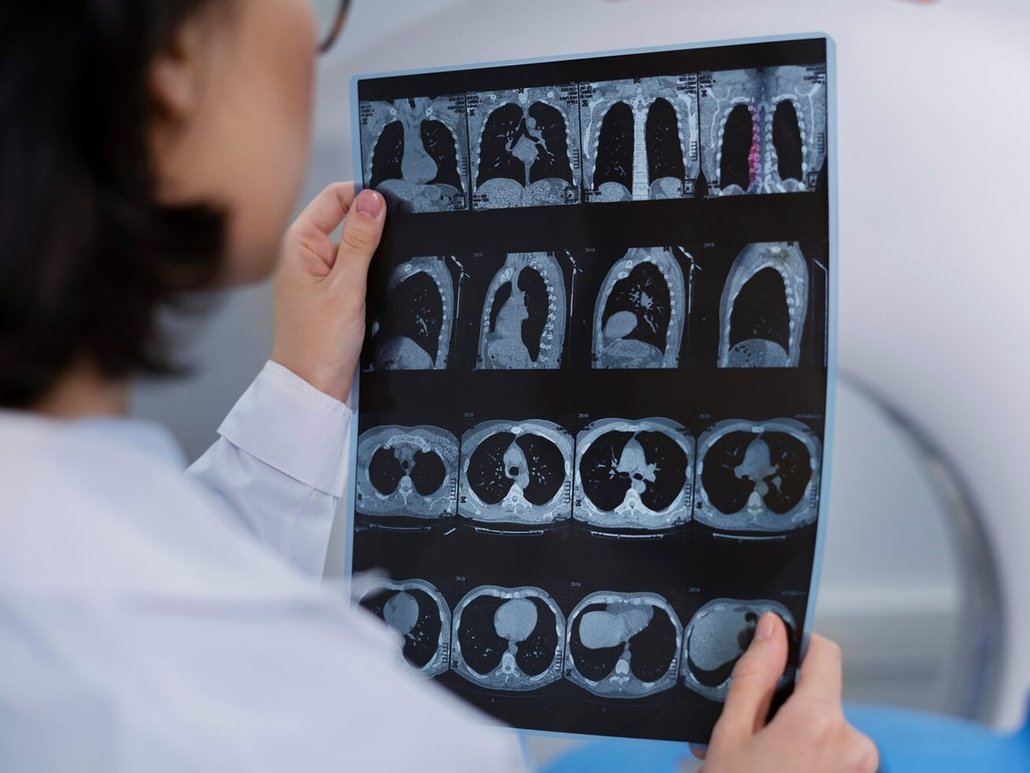
Receiving the notice that your chest scan came back a little abnormal is worrying to say the least. Your pulmonologist will probably want you to return for another appointment to speak with you about the results and perhaps order further tests.

While this can be very off-putting, it is also the right moment to ask any questions you have about your symptoms and your concerns. By arming yourself with the best possible arsenal to obtain information, you will be better equipped to handle any diagnosis. Here are some questions to ask your doctor during your visit.

  1. Can you explain the test that was run? Each test is used to diagnose different conditions, and learning about the test(s) that were conducted will help you to better understand what your doctor was looking for and how and/or why your chest scan was abnormal.
  2. What makes my scan “abnormal”? This may seem like something you don’t even need to ask, but it’s important to know exactly what your scan is showing, why it varies from the norm, and to what degree it’s considered abnormal.
  3. What can the abnormality mean? Be ready to ask your pulmonary physician about the possible diagnosis of your abnormal chest scan. It is likely that your pulmonary physician isn’t sure what the abnormality means without further testing, but knowing everything it could point at will prepare you for the final diagnosis.
  4. Will I need further testing? If so, what tests can I expect and how do they work? Usually, if an initial chest scan shows an abnormality your pulmonary physician will assign you further testing to determine whether the abnormality is malignant or benign. These tests can vary, and knowing what they are and how they work will help you get through them with more confidence.
  5. How often should I be screened for changes? This is an important question to ask regarding the maintenance for your pulmonary health. Even a positive diagnosis on abnormalities should be followed up on in case it starts to become malignant later down the line.
  6. Are you prescribing me anything for the symptoms? It’s important to understand any medications you will be prescribed as well as any side effects of the medication.
  7. Are there things I can do to manage my condition? Ask what types of habits and activities you can do on your own time to keep your pulmonary health under control or even lessen some of your symptoms.
  8. Should I follow any dietary/lifestyle restrictions? Be sure to ask and understand if there are any restrictions or changes you should make to your current regimen. Some doctors may choose to wait on further tests and simply test you again in a few months to see if your abnormality has changed or grown. In the meantime, they may recommend some lifestyle changes or impose restrictions on your diet and/or activity.
  9. What should I do if my symptoms increase? Ask your doctor when to contact them if symptoms worsen to avoid an unnecessary trip to the ER.

Preparing for your first appointment after being notified of an abnormal chest scan can be very nerve-wracking and tense. By asking the right questions and educating yourself on your diagnosis, you will be better able to maintain your pulmonary health and suppress your symptoms. Be sure to write down these questions and bring them with you so you don’t forget to ask anything!

https://pulmonaryassociatesofbrandon.com/wp-content/uploads/2018/02/Chest-Scan.jpg 948 1263 admin https://pulmonaryassociatesofbrandon.com/wp-content/uploads/2026/10/logotipo.png admin2018-02-20 19:29:002026-10-27 22:14:229 Questions To Ask Your Pulmonologist At Your First Appointment After An Abnormal Chest Scan

The Difference Between Asthma And COPD

6 febrero, 2018/in For Pulmonary Patients, Lung health

It’s safe to say that nearly anyone who’s ever had a cold knows what it’s like to not be able to breathe properly. In fact, it’s probably one of the worst parts of being sick. But, when symptoms like this persist, or when they happen when a cold isn’t present, then it’s likely that the root of the issue is a respiratory disease.

Asthma and COPD (chronic obstructive pulmonary disease) are two of the most common kinds of lung disease. Given that the main symptoms for both of them are coughing, wheezing, and shortness of breath, it’s often difficult to identify which condition you have. Despite their similarity in symptoms, both Asthma and COPD have some very distinct differences that allow for them to be easily told apart.

Asthma Vs. COPD

Asthma is a lung disease that inflames and narrows the airways. While most of the symptoms of Asthma and COPD are the same, the way in which they present themselves is largely different.

Most people who suffer from asthma are diagnosed as children. Though the disease is always there, it may not always show symptoms. Rather, the symptoms of asthma come and go depending on “triggers” such as environmental factors, air quality, physical activity, dust, dander, pet hair, etc.

Though there is no clear reason why people develop asthma, most studies have shown it to be a genetic occurrence. And, last of all, asthma is not generally known as a progressive disorder. Meaning that the disorder may improve over time and some people come to completely overcome it.

COPD Vs. Asthma

COPD is an umbrella term used to diagnose people with chronic bronchitis, emphysema, or a combination of both. COPD symptoms are very much like those of asthma, but they are distinguishably different in a few aspects.

Most of the people diagnosed with COPD are adults, usually 40 or older. This is likely because COPD develops over time as a result of lifestyle factors such as smoking. The symptoms of COPD are milder than those of people with asthma but they are constant, and when patients with COPD are around “triggers” their symptoms become much worse. COPD is also progressive, which means that it will likely become more serious over time. Nonetheless, there are ways to stabilize and manage the disease.

Asthma Treatment Options & COPD Treatment Options

In many cases, both lung diseases treatments are the same, such as Bronchodilators and inhalable steroids, but there are also a few treatment options that are specific to each condition.

People with asthma may be encouraged to stay away from triggers or avoid going outdoors when pollen levels are high. In cases of people with severe asthma, a bronchial thermoplasty may be recommended. The procedure burns off some of the muscles in the airway, reducing their ability to constrict.

On the other hand, people with COPD may be encouraged to alter lifestyle habits, such as quitting smoking, to help prevent any further damage. They may also be prescribed oxygen or pulmonary rehabilitation. In severe cases of COPD, procedures like lung volume reduction surgeries and lung transplants may be suggested.

Both Asthma and COPD are treatable diseases that will require some lifestyle changes. Staying informed on your options and taking care of your health is very important in managing lung diseases. For any further questions about these conditions and their treatments, click the link below!

https://pulmonaryassociatesofbrandon.com/wp-content/uploads/2018/02/Asthma-And-COPD.jpg 948 1263 admin https://pulmonaryassociatesofbrandon.com/wp-content/uploads/2026/10/logotipo.png admin2018-02-06 17:21:182026-10-27 22:15:48The Difference Between Asthma And COPD

What’s The Difference Between A Chest X-Ray And A Chest CT Scan?

7 septiembre, 2017/in For Pulmonary Patients

If you’re suffering from any type of chest disease, your pulmonologist will most likely recommend that you get either a chest X-ray or chest CT scan. Both of these procedures are instrumental in helping your doctor determine the source of your symptoms, as well as determine the best treatment plan for your specific needs. During our extensive years of practice, we’ve come to realize that most of our patients get lost between the two procedures and don’t understand the actual difference.

Although it’s not crucial for you to understand every minute detail of each procedure, it is important to understand the key differences between a chest X-ray and a chest CT scan before you elect to undergo one. Therefore, we’ve decided to devote one of our blogs to a clarification of what each procedure means and what the main differences between a chest X-ray and a chest CT scan are. 

What Is A Chest X-ray?

Chest X-ray is an imaging procedure that uses a very small amount of radiation, which quickly goes through your body in order to capture an internal image of your chest. A chest X-ray helps to indicate abnormal formations or a large variety of chest diseases such as pneumonia, cystic fibrosis, emphysema, cancer, etc. In addition, a chest X-ray is often used for an emergency diagnosis due to its fast and easy usage.

What is a Chest CT Scan? 

Chest CT Scan is a more detailed type of chest X-ray that compounds the power of X-rays and computers to deliver a 3D view of your chest. A CT scan makes a number of detailed slices (pictures), which then are merged into one projection. This creates a clear view that shows the position, shape, and size of the organs in your chest.

What Are The Main Differences Between A Chest X-Ray And A Chest CT Scan?

  1. Chest CT scan allows for a more detailed view compared to a chest X-ray. For example, a chest X-ray may identify an abnormality, but a chest CT scan should be able to show the exact location and examine the nature of a formation.
  2. Chest X-ray provides a 2D image, while a chest CT scan is able to produce a 3D view of your organs.
  3. An X-ray is built to examine dense tissues, while a CT scan is better able to capture bones, soft tissues and blood vessels all at the same time. 
  4. X-ray equipment is much smaller and less complex than a CT scan since a CT scanner needs to rotate around the patient being scanned.
  5. Chest X-ray is a good low-cost, first-look exam. In order to move forward with your diagnosis and treatment, you might have to do a chest CT scan to have a better picture.

Making The Decision

 By now you should be able to better understand the key differences between a chest X-ray and a chest CT scan, but it’s ok to still have questions. Don’t rush to decide which approach suits you the best. Remember, all instances are different and require an individual approach. Consult your physician, who will be able to answer any questions you have and prescribe the test necessary for your particular condition. In case you need help, just make an appointment with one of our physicians or schedule your chest X-ray or chest CT scan as soon as possible.  

https://pulmonaryassociatesofbrandon.com/wp-content/uploads/2017/09/Chest-CT-Scan.jpg 948 1263 admin https://pulmonaryassociatesofbrandon.com/wp-content/uploads/2026/10/logotipo.png admin2017-09-07 15:41:442026-10-27 22:22:59What’s The Difference Between A Chest X-Ray And A Chest CT Scan?

9 Questions to Ask Your Pulmonologist Before Your First Appointment

28 julio, 2017/in For Pulmonary Patients

If your primary care doctor suggests you may have a lung or breathing ailment such as Chronic Obstructive Pulmonary Disease or COPD, you may be referred to a pulmonologist or a doctor who specializes in lung disorders. If you’ve never been to see a pulmonologist before, it would be wise to prepare yourself for the initial appointment with a list of questions to ask. By arming yourself with the best possible arsenal to obtain information, you will be better equipped to handle any diagnosis. Here are some questions to ask your doctor during your visit.

What Should You Ask Your Pulmonologist?

1. Can you explain the tests you are running?
Understanding the tests that will be run will help you to better prepare for them.

2. What’s my Diagnosis?
This may seem like something you don’t even need to ask, but to be certain, I would

3. What is likely causing or worsening my symptoms?
Asking this question ensures that if there are certain behaviors that are causing a flare up of your symptoms, you can deviate or avoid these behaviors.

4. What is an appropriate level of physical activity for my diagnosis?
Be ready to talk to your pulmonary specialist about your diet or exercise regimen and any challenges you may experience starting one.

5. How often should I be screened for changes?
This is an important question to ask regarding maintenance for your condition. Knowing when to follow up with your doctor is an important part of maintaining lung health and keeping any chronic pulmonary diseases under control.  

6. Are you prescribing me anything for the symptoms?
It’s important to understand any medications you will be prescribed as well as any side effects of the medication.

7. Are there things I can do to manage this (chronic) condition?
Ask what types of habits and activities you can do on your own time to keep your condition under control or even lessen some of the symptoms of your illness.

8. Are there any additional restrictions for my diagnosis?
Be sure to ask and understand any restrictions that your illness may pose to your current regimen.

9. What should I do if my symptoms increase?
Ask your doctor when to contact them when symptoms worsen to avoid an unnecessary trip to the ER.

In addition to asking the right questions during the appointment, it’s essential to be prepared before the appointment as well. Here are some things you can do to prepare for your first appointment with a pulmonology specialist.

How to Prepare for Your First Appointment with Pulmonary Associates

  • Write down all symptoms you have experienced
  • Take note of what things make your symptoms worse or better
  • Ask family members if anyone has experienced similar symptoms or were diagnosed with a chronic lung disease
  • List any medications you are currently taking
  • See if a family member or close friend can accompany you to your appointment

Preparing for your first appointment with a pulmonologist is critical to receiving the best possible care. By asking the right questions and educating yourself on your diagnosis, you will be better able to maintain your condition and suppress your symptoms. Be sure to write down these questions and bring them with you so you don’t forget to ask anything!

https://pulmonaryassociatesofbrandon.com/wp-content/uploads/2017/07/First-Appointment.jpg 948 1263 admin https://pulmonaryassociatesofbrandon.com/wp-content/uploads/2026/10/logotipo.png admin2017-07-28 18:41:492026-10-27 22:25:549 Questions to Ask Your Pulmonologist Before Your First Appointment

Common Lung Infections Treated at Pulmonary Associates of Brandon

12 julio, 2017/in For Pulmonary Patients

ccording to the National Institute of Health, in a normal day a person takes about 25,000 breaths. The importance of the lungs to general health cannot be overstated. The lungs help to oxygenate your blood and expel carbon dioxide, two extremely vital bodily processes. The oxygen in red blood cells is transported throughout the body and is a necessary component of almost every cellular process that occurs.

Without properly functioning lungs, overall health decreases considerably. There are many different types of lung diseases, but some of the most deadly and dangerous lung diseases are lung infections. Fortunately our Tampa pulmonary group is here to offer treatment options for even the most challenging cases.

Let’s look at some common lung infections, and symptoms of pulmonary issues:

Treating Bronchitis in Tampa

Bronchitis

Bronchitis is the infection and inflammation of the bronchi, which are the medium and large airways in the lungs. Bronchitis is typically a viral infection, however, in some cases the cause is air pollution or bacteria. Acute bronchitis is an extremely common infection. It is often referred to as a “chest cold” and typically goes away within a few weeks. But, if bronchitis occurs often or for extended periods of time, then a patient might have “chronic bronchitis” and should seek medical attention and treatment.

Symptoms of bronchitis include a productive cough (with yellow or green mucus), runny or stuffy nose, fatigue, sore ribs from prolonged coughing, wheezing, and a whistling sound when breathing.

Bronchiolitis

Bronchiolitis is similar to bronchitis, except it is the infection and inflammation of bronchioles, which are the smallest air passageways of the lungs. Bronchiolitis is almost always a viral infection and mostly affects children and infants. It can present in adults, however it is rare and very serious. Bronchiolitis can cause scarring of the bronchioles and other lung tissue.

The symptoms of bronchiolitis are similar to those of bronchitis. They include shortness of breath, wheezing, fatigue, cough, fast breathing, cracking or rattling sounds heard in the lungs, and bluish appearance of the skin from lack of oxygen.

> Explore all Tampa Pulmonary Services


Pneumonia

Pneumonia is an inflammatory infection of the alveoli in the lungs. According to Dr. Hooker, “pneumonia is a tricky infection because it can be either bacterial, viral, or fungal.” The alveoli are microscopic air sacs in the lungs, which are invaluable to blood oxygenation. Pneumonia causes these sacs to fill up with fluid and impedes their function.

There are over 30 types of pneumonia, and they are typically classified into groups based on their cause. Bacteria, viruses, inhalation of toxins, and fungi can all be causes of pneumonia. Some pneumonia can be overcome without medication at home, however, other treatments include antibiotics, anti-inflammatory medications, and other over the counter treatments.

The pulmonary symptoms of pneumonia can vary. Common symptoms include coughing (often mucus producing), fever, shaking, chills, fast breathing, shallow breathing, chest pain, fast heartbeat, nausea, and fatigue.

Tuberculosis

Tuberculosis is a bacterial infection of the lungs that used to be extremely common, and then became very uncommon. However, according to Dr. Lorch, “tuberculosis has become more common in the recent past in AIDS patients and other patients with compromised immune systems, such as individuals undergoing chemotherapy.”

Tuberculosis is a very serious condition, but thankfully, it is rare in otherwise healthy adults in the United States. Symptoms of tuberculosis include coughing that lasts for three or more weeks, coughing up blood, chest pain, unintentional weight loss, fatigue, fever, chills, and loss of appetite. TB can also affect your kidneys, spine, and brain.

Pulmonary Associates of Brandon

If you are experiencing lung disease symptoms in the Tampa Bay area, then you can go to the Pulmonary Associates of Brandon. Their highly trained staff can perform a range of diagnostic testing such as pulmonary function tests and chest x-rays to determine whether or not you have a lung infection, and how to treat it.

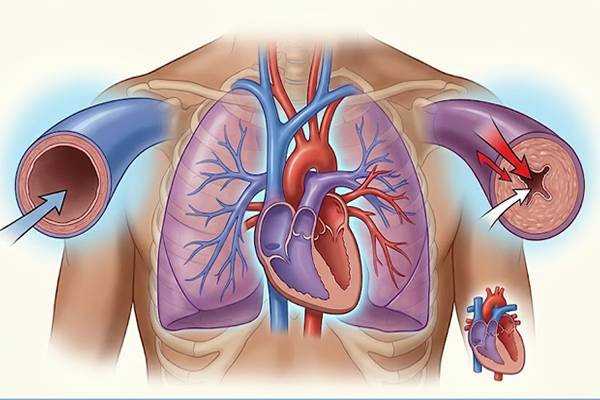
https://pulmonaryassociatesofbrandon.com/wp-content/uploads/2026/10/pulmonar_hipertension.png 400 600 admin https://pulmonaryassociatesofbrandon.com/wp-content/uploads/2026/10/logotipo.png admin2017-07-12 14:53:482026-10-26 21:53:01Common Lung Infections Treated at Pulmonary Associates of Brandon

6 Things You Didn’t Know About COPD

26 junio, 2017/in For Pulmonary Patients, Lung health

Chronic Obstructive Pulmonary Disease, more commonly known as COPD, is caused by inhaling pollutants, second-hand smoke, and genetics. Signs of COPD are breathlessness, wheezing and constant coughing, and tightness in the chest. These symptoms can easily be confused with a simple cold or just the effects of getting older, but COPD can get worse as time goes on and is highly recommended to get treated. 

If diagnosed with COPD, do not get discouraged. There are many treatments and ways to slow progression. It is a growing disease that doctors are very familiar with, so you should never feel as if your case is a lost cause.

Read More: Can I Still Get COPD If I Don’t Smoke?

You may have heard the acronym before, but here are 6 things you didn’t know about COPD:

  1. Almost 12 million Americans have been diagnosed with the disease.
  2. It kills 120,000 people in America every year. This places it as the third leading cause of death in the country.
  3. A healthy diet can actually help lower your risk for getting COPD later in life. Eat foods that are rich in omega 3 fatty acids, antioxidants, and vitamins A, C, and E.
  4. Working out and getting regular exercise can help lower your risk or improve symptoms if you have already been diagnosed. During the exercise, you could experience heavy coughing and aggravation, but it helps in the long term.
  5. Although smokers are at a higher risk, all people over 40 can be affected and should talk to their doctors if any symptoms are experienced.
  6. Emphysema goes hand in hand with COPD and is a lung disease with the same symptoms.

 If you or someone you know is worried about their lung health, seeing a pulmonologist is always a good idea. A pulmonologist is a specialized doctor that treat a numerous amount of lung diseases and can give patients options on how to reduce symptoms that might be putting a hold on their day to day life.

https://pulmonaryassociatesofbrandon.com/wp-content/uploads/2018/09/Pulmonary-Services.jpg 948 1263 admin https://pulmonaryassociatesofbrandon.com/wp-content/uploads/2026/10/logotipo.png admin2017-06-26 17:17:002026-10-26 21:54:526 Things You Didn’t Know About COPD
Page 2 of 3123

Search

Search Search

Table of Content

Categories

Archive

Search

Search Search

Where Quality Care is Just a Breath Away!

  • Privacy Policy

Menu

  • Welcome
  • Services
    • Lung health services
    • Sleep Medicine
  • Patients
  • Our Team
    • FAQ
  • News
  • About us
  • Contact

Opening Hours

Mo-Fr: 8:00-22:00
Sa: 8:00-24:00
So: 8:00-14:00

Call us or send a message

To request an appointment.
Call 813-681-4413, ext. 227.

Not for emergencies. If you are having a medical emergency, call 911. For urgent concerns, call our office at 813-681-4413.

Scroll to top Scroll to top Scroll to top