
floridachest
  • Welcome
  • Services
    • Lung health services
    • Sleep Medicine
  • Patients
  • Our Team
    • FAQ
  • News
  • About us
  • Contact
  • en English
    • en English
    • es Español
  • Menu Menu
  • Welcome
  • Services
    • Lung health services
    • Sleep Medicine
  • Patients
  • Our Team
    • FAQ
  • News
  • About us
  • Contact

Tag Archive for: sleep talking

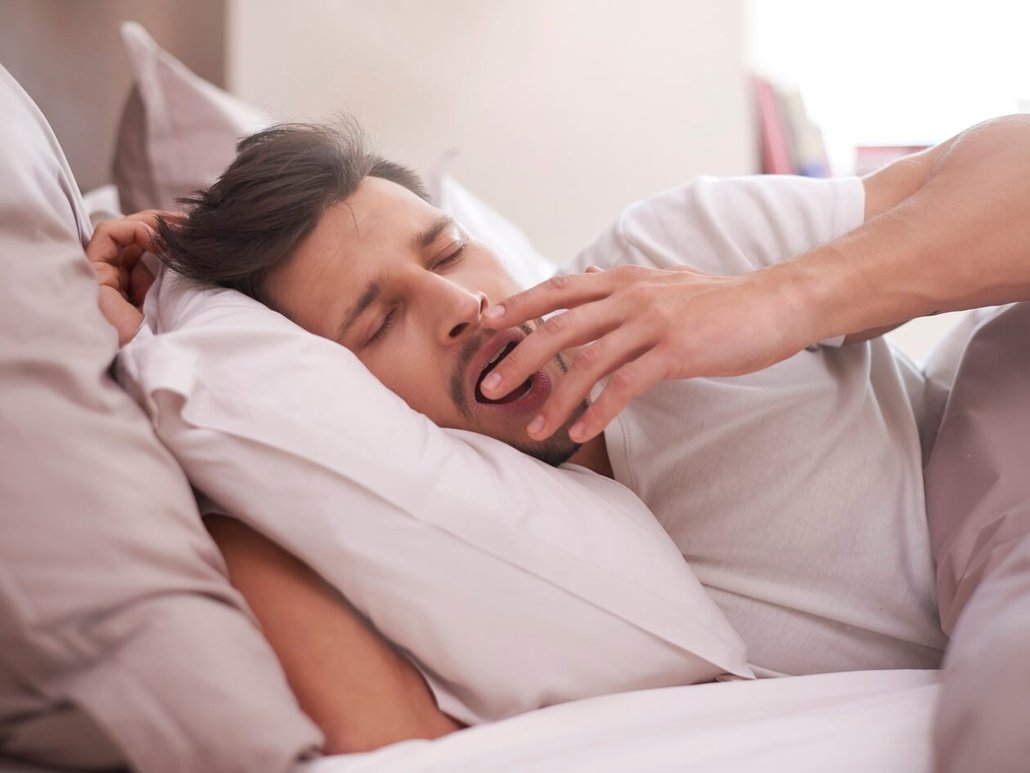
Sleep Talking: Why It Happens And How It Can Impact You
21 junio, 2018/in Sleep Disorders

What Is Somniloquy?

Sleep talking, or somniloquy, is a kind of parasomnia in which a person will talk during their sleep without being aware that they are talking. The phenomenon is considered a sleep disorder, as it sometimes can affect the quality of a person’s sleep, and is otherwise outside normal sleep patterns and behaviors.

For the most part, many people who sleep talk only realize they do because someone else has told them, and they are for the most part unaffected by the condition. That is why, generally, sleep talking is considered harmless. Despite this, there are some cases of sleep talking in which medical attention may be advisable.

Why Do People Talk In Their Sleep

There isn’t one single cause for why people talk in their sleep, rather there are many underlying factors that can vary with each individual case. That is why if a person is suffering from sleep talking, it is necessary to undergo a sleep study in order to identify their specific causes or influencing factors.

Sleep Talking: When To See A Sleep Specialist

If you or someone you know is a sleep talker, there may be several reasons why seeking a sleep specialist may be beneficial.

  • If your sleep talking is preventing you from getting proper rest
  • If you spend the night talking and wake up tired
  • If your partner is losing sleep because of your sleep talking
  • If your sleep talking is accompanied by night terrors or nightmares
  • If you suddenly begin sleep talking after the age of 25

People who suddenly begin sleep talking after adulthood may actually be suffering from an underlying condition, such as a more serious sleep disorder like sleepwalking or sleep apnea, or a psychiatric disorder.

More Information

Sleep talking is harmless most of the time, but it can always be inconvenient — if not to you, then to your sleeping partner. If you would like to seek treatment for stop sleep talking, or to ensure your sleep talking is not a sign of an underlying condition, schedule a sleep study at our sleep study clinic today!

https://pulmonaryassociatesofbrandon.com/wp-content/uploads/2018/06/Somniloquy.jpg 948 1263 admin https://pulmonaryassociatesofbrandon.com/wp-content/uploads/2026/10/logotipo.png admin2018-06-21 16:04:042026-10-27 20:25:26Sleep Talking: Why It Happens And How It Can Impact You

Sleep Disorders 101: Parasomnias

29 septiembre, 2017/in Sleep Disorders

Parasomnias, just like most other sleep disorders, are always underrated. Ideally, if your sleep is normal and you don’t experience any sleep disorders, you should always wake up rested and full of energy. Yet, many of us complain about feeling sleepy every single day, blaming anything and everything – work, kids, those noisy neighbors, stress – but never consider that there could be a medical reason for our fatigue. The sad fact is that many of us have one type of parasomnia or another without even knowing it.

What Are Parasomnias?

The term “parasomnia” refers to an entire group of sleep disorders that cause numerous troubles while you are falling asleep, sleeping, or waking up. Parasomnias include irregular physical or verbal activities and can be disruptive to both the person experiencing parasomnias and the bed partner.

The most dangerous aspect is that you remain asleep during all activities and don’t recall anything disturbing in the morning. Most common parasomnias are sleepwalking, sleep terrors, sleep-related eating disorders, confusional arousals, nightmare disorders, sleep paralysis, bedwetting, sleep hallucinations and sleep talking.

When Do Parasomnias Occur?

Parasomnias can be experienced at all stages of sleep and have different symptoms depending on which sleep cycle they occur during. If they occur while you are falling asleep, you may experience hallucinations or sleep paralysis, where you still feel awake but can’t really move. Once you are already asleep, parasomnias often present as abnormal dream-enacting behaviors. When you are waking up, you might have hallucinations or sleep-related eating disorders.

What Causes Parasomnias?

There are a number of different risk factors that might contribute to parasomnia development. Some of the most common are the following:

  • Age: Age would certainly be an important factor since parasomnias like bedwetting and sleepwalking often occur during childhood.
  • Stress: Stress is also a heavy contributor to different types of parasomnias like sleepwalking, night terrors, sleep-related eating disorders, sleep paralysis and more. 
  • Genetics: Additionally, genetics can play a huge role. If your parents struggle with any types of parasomnia, you are most likely to have them as well.
  • Drug and alcohol abuse: It will not only ruin your liver but also cause a whole bouquet of new parasomnias and definitely worsen any existing ones.
  • Medicine: No matter how effective your medications are, some of them may have various types of parasomnias as a side effect.
  • PTSD: Post-traumatic stress disorder (PTSD) is frequently associated with a type of parasomnias like nightmare disorder. Almost ⅘ of PTSD patients would experience nightmare disorder during at least 2-3 months after the trauma.

What Are The Types Of Parasomnias?

There are two main types of parasomnias, which are classified by sleep cycle they occur at: NREM and REM parasomnias. NREM parasomnias occur earlier at night, while REM parasomnias occur at later stages of the sleep cycle.

NREM parasomnias include, but are not limited to:

  • Sleep talking (somniloquy)
  • Sleepwalking (somnambulism)
  • Sleep-related eating disorder (SRED)
  • Sleep-sex (sexsomnia)
  • Sleep terrors (pavor nocturnus)
  • Confusional arousals
  • Exploding head syndrome (EHS)
  • Teeth grinding (bruxism)
  • Restless legs syndrome (RLS)

REM parasomnias include, but are not limited to:

  • Sleep paralysis
  • Breath-holding (catathrenia)
  • REM sleep behavior disorder (RBD)
  • Nightmare disorder

When Should I Visit The Doctor?

Although it’s not uncommon to experience some type of sleep disorder from time to time, especially during a time of extreme stress, some symptoms require immediate medical attention. Make sure you visit the doctor if your sleep behavior is negatively affecting you or others.

In addition, you can take a short Epworth Sleep Scale test to figure out if your sleepiness is beyond the normal range of healthy adults. And, of course, if you experience any abovementioned symptoms, don’t hesitate to contact our Florida Sleep Disorder Center. For over 30 years of practice, our team has helped thousands of patients with sleep disorders and will be happy to help you!

https://pulmonaryassociatesofbrandon.com/wp-content/uploads/2018/06/Somniloquy.jpg 948 1263 admin https://pulmonaryassociatesofbrandon.com/wp-content/uploads/2026/10/logotipo.png admin2017-09-29 16:08:292026-10-26 21:32:42Sleep Disorders 101: Parasomnias

Search

Search Search

Table of Content

Categories

Archive

Search

Search Search

Where Quality Care is Just a Breath Away!

  • Privacy Policy

Menu

  • Welcome
  • Services
    • Lung health services
    • Sleep Medicine
  • Patients
  • Our Team
    • FAQ
  • News
  • About us
  • Contact

Opening Hours

Mo-Fr: 8:00-22:00
Sa: 8:00-24:00
So: 8:00-14:00

Call us or send a message

To request an appointment.
Call 813-681-4413, ext. 227.

Not for emergencies. If you are having a medical emergency, call 911. For urgent concerns, call our office at 813-681-4413.

Scroll to top Scroll to top Scroll to top