
floridachest
  • Welcome
  • Services
    • Lung health services
    • Sleep Medicine
  • Patients
  • Our Team
    • FAQ
  • News
  • About us
  • Contact
  • en English
    • en English
    • es Español
  • Menu Menu
  • Welcome
  • Services
    • Lung health services
    • Sleep Medicine
  • Patients
  • Our Team
    • FAQ
  • News
  • About us
  • Contact

Tag Archive for: pulmonary hypertension

5 Tips For Traveling With Oxygen
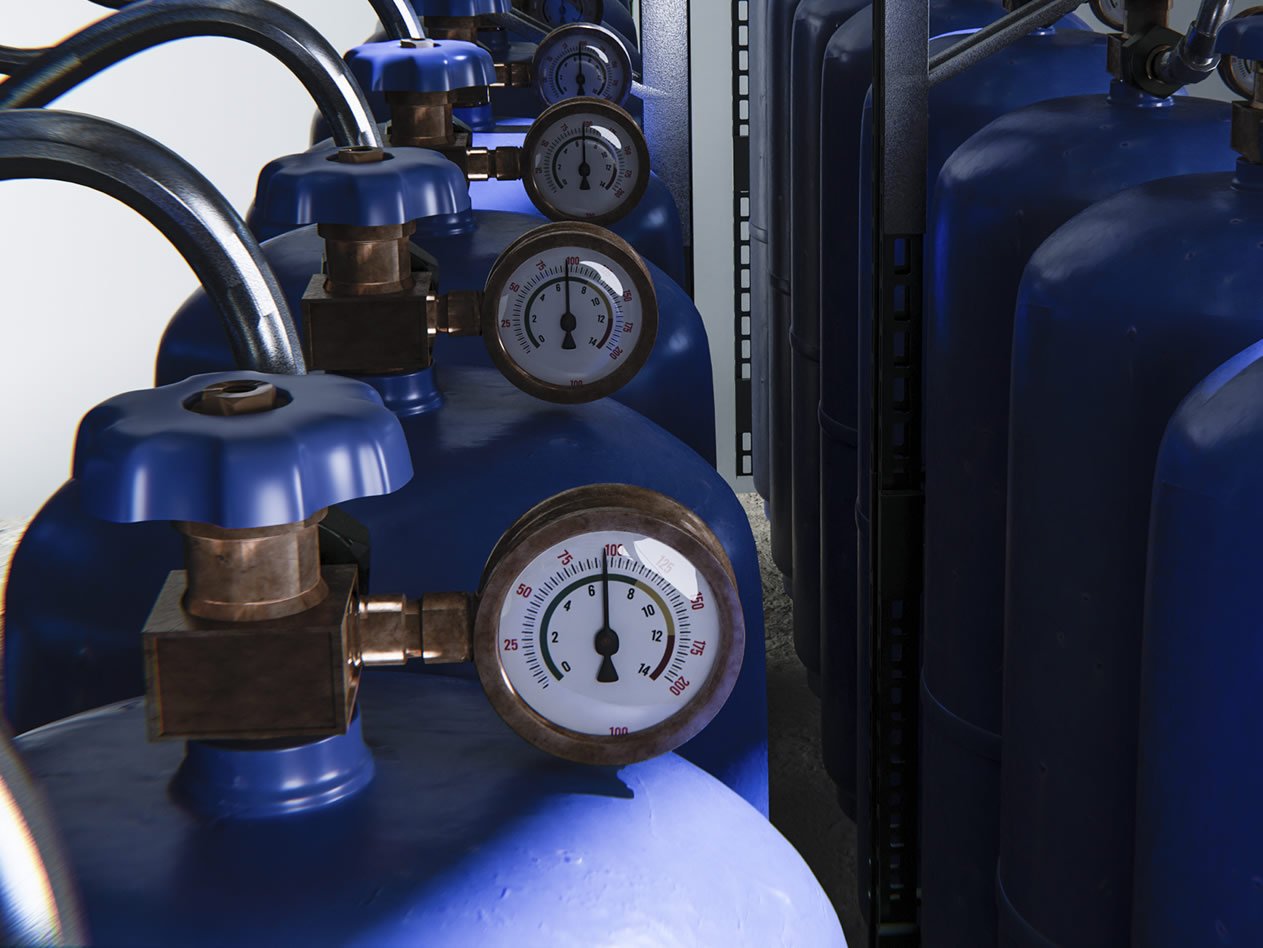
9 octubre, 2018/in For Pulmonary Patients

Air travel is stressful at the best of times, but it can be nearly impossible for patients with pulmonary hypertension since traveling at high altitudes can cause a decrease in oxygen level in the blood. For some patients, air travel may be out of the question altogether, but this is not always the case. If you or someone you know has pulmonary hypertension and/or uses an oxygen tank to breathe, don’t discount booking a flight just yet. First, speak to a pulmonary physician to check whether it is safe for you to travel. If the answer is yes, then be sure to follow these 5 tips for traveling with oxygen and pulmonary hypertension.

Tips For Traveling With Oxygen

1. Get A Letter From Your Doctor

If your pulmonary specialist deems you fit to travel by plane, be sure to ask them for a letter that describes your medical requirements for travel at high altitudes. This letter will help you obtain supplemental oxygen and streamline your security checkpoint and boarding process.

2. Complete Airline-Specific Forms

Before you book your ticket, make sure to check the airline’s policy on traveling with oxygen tanks. Certain airlines may require specific paperwork to be filled out by you or your doctor and to be brought on the date of the flight. Make sure you book your flight with enough time for your doctor to fill out the paperwork and get it back to you.

3. Arrive Early & Board Early

Even with perfectly laid out plans, getting through an airport oftentimes takes a lot longer than we expect. That is why it’s a good idea to get to the airport a few hours in advance, especially if you’re going to be bringing medical equipment and supplies. Once you’re at your gate, feel free to ask the attendants about pre-boarding. Doing this will ensure that you have enough room in the overhead compartment for your carry-on bags since your oxygen tank will be at your feet.

4. Rent or Buy a Portable Oxygen Concentrator

A portable oxygen concentrator, also known as a POC, can help patients keep their blood oxygen level high while flying at a high altitude. This equipment is vital to bring onboard since most airlines don’t provide medical oxygen. These devices can be rented or bought through your regular oxygen supplier.

5. Charge Your Batteries

When flying with medical equipment, be sure to bring charged batteries and extra batteries, just in case. The Federal Aviation Administration actually requires that anything being used throughout a flight have a battery life that lasts at least 150 percent of the flight time, so be sure to bring your equipment fully charged and pack a few extra batteries as well.

More Information

Having pulmonary hypertension doesn’t immediately disqualify someone from being able to plan an air trip, it simply takes a few extra steps to ensure the person’s safety. If you would like to be seen by one of our pulmonary specialists to determine whether you are safe to travel (or to stay in a hotel in the mountains), contact us today to book an appointment, we’ll do our best to get you there safely.


https://pulmonaryassociatesofbrandon.com/wp-content/uploads/2018/10/Oxygen.jpg 948 1263 admin https://pulmonaryassociatesofbrandon.com/wp-content/uploads/2026/10/logotipo.png admin2018-10-09 18:17:002026-10-27 18:57:475 Tips For Traveling With Oxygen

4 Yoga Videos For Pulmonary Hypertension Patients

18 julio, 2018/in For Pulmonary Patients

Pulmonary hypertension limits a lot of what a person can do, especially when it comes to activities that may elevate their blood pressure. Depending on the type and the severity of the pulmonary hypertension, patients may struggle with things as simple as walking the family dog or going up the stairs. For many patients, exercising seems out of the question, but recent studies have shown that not all exercises are as impossible as they may seem for those who want to try them out.

According to a 2016 study, a yoga regimen of 12 weekly 2-hour sessions had no adverse effects on a group of pulmonary hypertension patients of all fitness levels. The study showed significant improvement in anxiety, depression, and quality-of-life in the participants, which included patients on a combination of hypertension-specific therapies, and others on oxygen.

The participating patients practiced Iyengar Yoga, a form of Hatha Yoga focused on an emphasis on detail, precision and alignment in the performance of posture and breath control. From this style of yoga, Dr. Awdish from the PHA-accredited pulmonary hypertension program at Henry Ford Hospital in Detroit, Michigan, along with other specialists, created a series of instructional videos called Yoga For PH.

Yoga For PH includes 40-minutes instructional videos, lifestyle and diet advice, and 3 yoga exercise levels, each incorporating a yoga mat and a chair for stabilization. Here are 4 of those videos to get you started.

This short clip introduces Dr. Rana Awdish, and quickly discusses yoga for patients with PH. It also goes over what viewers can expect from the next 3 videos: chair yoga, intermediate/standing yoga with chair, and advanced yoga.

Chair Yoga Sequence

This 13-minute video guides viewers through 6 yoga movements, all while they remain seated. To participate, viewers will need two chairs, a pillow or blanket, and a quiet space. Movements consist of: Easy Pose, Cat/Cow, Seated Side Stretch, Easy Pose Twist, Hip Opener, and Seated Savasana.

Intermediate With Chair Assist

This 20-minute video guides viewers through 6 yoga movements similar to those of the previous video, but these exercises are performed from the ground instead of a chair, although a chair is used for support. The video begins with short deep breathing exercises and continues to a portion of standing, then laying down.

Experienced Yoga Sequence

This 20-minutes video builds on the yoga movements taught in the previous two videos. The majority of the movements are done either from the ground or while standing, though there is a chair for support and balance. The pace of this video is quicker and should be followed with caution.

It is extremely important that you speak with your pulmonary specialist before initiating any exercise routine, including this one. Only your doctor can say if these exercises are appropriate for you. Yoga is not a cure for pulmonary hypertension, but it may provide some benefits in terms of relaxation and deep breathing exercises that can be useful for other daily activities. To learn more about your pulmonary hypertension or about pulmonary rehabilitation, schedule a consultation with our pulmonary specialists today.

https://pulmonaryassociatesofbrandon.com/wp-content/uploads/2018/07/Yoga.jpg 948 1263 admin https://pulmonaryassociatesofbrandon.com/wp-content/uploads/2026/10/logotipo.png admin2018-07-18 16:36:452026-10-27 20:19:544 Yoga Videos For Pulmonary Hypertension Patients

5 Pulmonary Hypertension Groups You Should Know About

1 junio, 2018/in Lung health

The medical world has recognized five different classifications of pulmonary hypertension which, we’re sure, makes the diagnosis pretty confusing for patients. You may have a friend who’s also been diagnosed with pulmonary hypertension but who has completely different symptoms than you do, even though the conditions sound the same. That’s why we’ve prepared this list to help educate patients on what makes each group different, from both a diagnosis and treatment perspective.

What Is Pulmonary Hypertension?

Pulmonary hypertension (PH) in itself is a general term that describes high blood pressure within the lungs, which also impacts the arteries that transport the blood between your lungs and heart. In general, if you have pulmonary hypertension the arteries constrict and force your system to work harder for the blood to flow through the vessels. Although the condition itself is straightforward, there are several different things that can cause heightened blood pressure within the lungs. Because of this, there’s a need for subclassifications (i.e. “groups”) of pulmonary hypertension, each one of which differs slightly from the others.

Knowing that, let’s dive more into what pulmonary hypertension is and the specifics of the different pulmonary hypertension groups.

Main Pulmonary Hypertension Symptoms Of All Five Groups

Although there are differences between each of the five pulmonary hypertension groups, most patients will experience these common symptoms regardless of which classification they fall into:

  • shortness of breath
  • fainting
  • dizziness
  • chest pressure
  • increased pulse

Group 1: Pulmonary Arterial Hypertension (PAH)

Pulmonary arterial hypertension is a chronic disease that makes the artery walls of the lungs thicken and, as a result, prevents the blood from circulating properly. There are three types of pulmonary arterial hypertension based on the origin of the cause: idiopathic, heritable, and drug and toxin-induced.

Idiopathic pulmonary arterial hypertension is a type that has no known cause. The disease is more commonly diagnosed in females and young adults. Next, heritable is a form of PAH that can be passed from parents to children and is considered a genetically-related form of pulmonary arterial hypertension. Finally, the drug and toxin-induced type speaks for itself: the disease can be caused by drug and toxin abuse or as the result of another evolving disease like HIV, lupus, congenital heart disease, chronic liver disease, and more.  

Treatment options: Common treatments for PAH include medications that assist the pumping of the heart, help decrease blood pressure and prevent blood vessels from narrowing, get rid of extra fluid that puts pressure on the heart, and reduce undesirable cell growth within the pulmonary arteries.

Group 2: Pulmonary Hypertension Due To Left Heart Diseases

This type of pulmonary hypertension is characterized by problems with the left side of the heart and can be caused by numerous heart disorders like left ventricular diastolic dysfunction, coronary artery disease, high blood pressure, heart valve disease, damage to heart muscle, and more.  

Treatment options: For this group of pulmonary hypertension the treatment will be focused on approaching the disease that caused hypertension in the first place. In addition, to achieve the necessary flow, a gradual pulmonary arteries’ pressure elevation might be required.  

Group 3: Pulmonary Hypertension Due To Lung Diseases And/Or Hypoxemia

Patients falling under this group will have pulmonary hypertension developed as a secondary disease after suffering from hypoxia, COPD, interstitial lung disease, or any other lung disease which causes blood vessels to tighten and blood oxygen to drop.

Treatment options: Similar to the previous group, pulmonary hypertension due to lung diseases and/or hypoxemia treatment will be targeted towards the underlying lung disease.  

Group 4: Chronic Thromboembolic Pulmonary Hypertension (CTEPH)

This type of pulmonary hypertension would be caused by old, organized blood clots in the lungs that physically block the flow of the blood through the pulmonary arteries.

Treatment options: The treatment for this group would include a surgical removal of the blood clots. If surgery is not possible, a pulmonologist will choose medications which stimulate certain chemicals in your body to work together and influence the blood flow.

Group 5: Pulmonary Hypertension From Unclear Multifactorial Mechanisms

Group 5 combines all other causes that are not defined in the previous groups. For example, all causes like hematological and metabolic disorders, various blood diseases, and system disorders will fall under this group.

Treatment options: The treatment will solely depend on the underlying reason. Thus, if a patient has a metabolic disorder that has lead to pulmonary hypertension, his treatment will be mainly aimed at the metabolic disorder as well as relieving pulmonary hypertension by additional medications.

How To Prevent Pulmonary Hypertension?

It might take months or years before pulmonary hypertension symptoms start bothering you. It’s always better to prevent the disease if possible, rather than deal with dangerous consequences later. With that being said, try to follow simple prevention tips like no smoking, getting lots of sleep every night, managing blood pressure, exercising regularly and maintaining a healthy weight.

More Information

If you are already experiencing any of the aforementioned symptoms, don’t hesitate to reach out to Pulmonary Associates of Brandon with any questions or concerns. Our highly experienced pulmonologists will perform a range of diagnostic tests to determine the origins of your symptoms. To see a pulmonologist, book an appointment today.

https://pulmonaryassociatesofbrandon.com/wp-content/uploads/2018/06/Pulmonary-Hypertension.jpg 948 1263 admin https://pulmonaryassociatesofbrandon.com/wp-content/uploads/2026/10/logotipo.png admin2018-06-01 15:53:002026-10-27 21:58:055 Pulmonary Hypertension Groups You Should Know About

Search

Search Search

Table of Content

Categories

Archive

Search

Search Search

Where Quality Care is Just a Breath Away!

  • Privacy Policy

Menu

  • Welcome
  • Services
    • Lung health services
    • Sleep Medicine
  • Patients
  • Our Team
    • FAQ
  • News
  • About us
  • Contact

Opening Hours

Mo-Fr: 8:00-22:00
Sa: 8:00-24:00
So: 8:00-14:00

Call us or send a message

To request an appointment.
Call 813-681-4413, ext. 227.

Not for emergencies. If you are having a medical emergency, call 911. For urgent concerns, call our office at 813-681-4413.

Scroll to top Scroll to top Scroll to top