
floridachest
  • Welcome
  • Services
    • Lung health services
    • Sleep Medicine
  • Patients
  • Our Team
    • FAQ
  • News
  • About us
  • Contact
  • en English
    • en English
    • es Español
  • Menu Menu
  • Welcome
  • Services
    • Lung health services
    • Sleep Medicine
  • Patients
  • Our Team
    • FAQ
  • News
  • About us
  • Contact

Tag Archive for: Parasomnias

 Parasomnias 101: Exploding Head Syndrome (EHS)
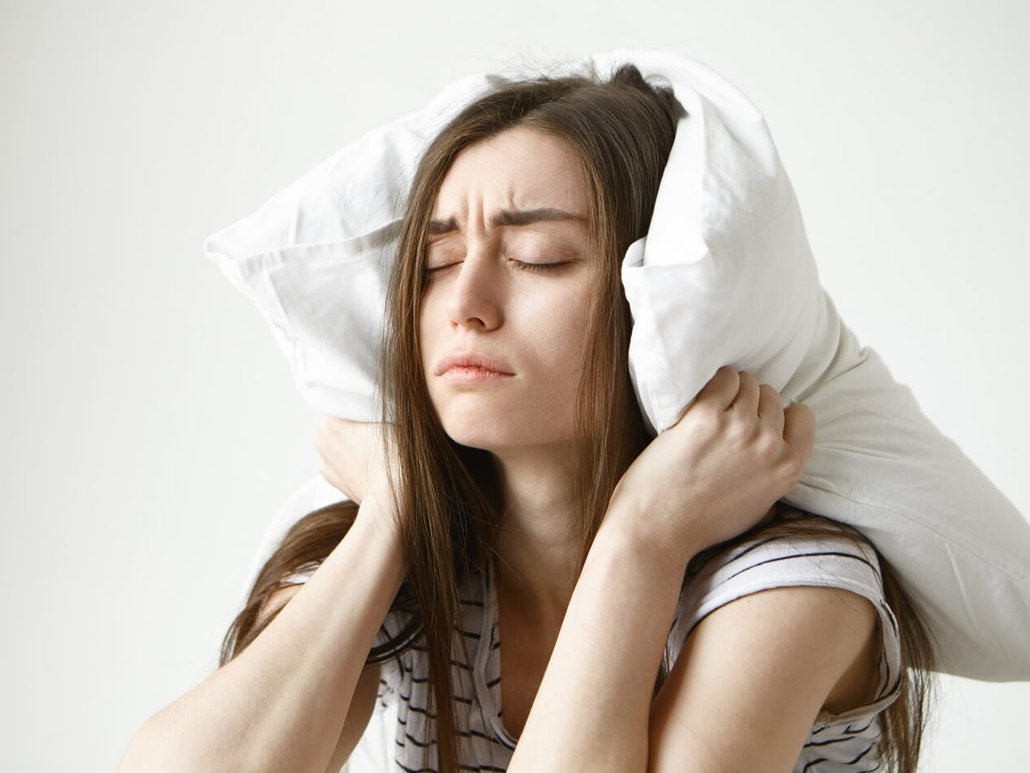
25 diciembre, 2017/in Sleep Disorders

My head is going to explode!” Sounds familiar, right? We’re all guilty of using the expression from time to time when our kids are getting hyperactive and we can’t manage that, or when work stress takes over and it seems like there are not enough hours in a day to complete all our tasks.

For some people, though, an “exploding head” is a legitimate syndrome they have to live with. Unfortunately, not many people pay proper attention to the exploding head syndrome (EHS) and simply write it off as the result of a stressful day or some other issue. Let’s get it straight: exploding head syndrome (EHS) is a serious parasomnia, which needs to be addressed by a doctor appropriately.

What is Exploding Head Syndrome?

Exploding head syndrome (EHS) is a type of parasomnia in which person hears extremely loud noises when going to sleep or waking up. The sounds are often described as a bomb explosion, gunshot, thunder and lightning, fireworks, or gunfire. One patient described exploding head syndrome like “this sudden crescendo of noise, then a profound and jarring explosion of sound, electrical fizzing and a bright flash in my vision, like someone has lit a spotlight in front of my face”.

No matter what type of sound a person hears, it’s almost always painless and short, but very disturbing and confusing. Additionally, people suffering from exploding head syndrome may have tachycardia and palpitations associated with the parasomnia condition.

What causes exploding head syndrome?

Unfortunately, scientists and researchers don’t have a univocal response to that question. Some scientists state that EHS is linked to minor temporal lobe seizures, while others claim that the syndrome is caused by ear dysfunctions or by good (not really) old stress and anxiety. That being said, variable and broken sleep can certainly be considered as a highly prominent cause of exploding head syndrome.

For example, Dr. Brian Sharpless of Argosy University, Northern Virginia explored that exploding head syndrome is actually linked to isolated sleep paralysis, that is another parasomnia in which a sufferer can’t move or speak when falling asleep or awakening. In the study of 211 undergraduate students Dr. Sharpless was conducting, he and his team found out that one-third of all EHS sufferers also experience sleep paralysis.

Exploding Head Syndrome (EHS) risk groups:

Scientists claim that exploding head syndrome only affects 1/10 of the entire population. On top of that, the researchers say that women are more prone to the condition than men and the average age of those obtaining the syndrome range between 50 and 65 years old.

Exploding Head Syndrome treatment:

 Due to its benign nature, in most cases, EHS doesn’t require medical treatment. However, if a person is experiencing a disturbed sleep as a result of EHS or has any other disturbing consequences, a treatment may be required. Although there’s no specific treatment existing, a number of medications ranging from anti-seizure drugs to calcium-channel blockers can be used to relieve the symptoms in addition to other therapies like relaxation, improved sleep routine, and counseling. Beyond that, a sleep study may help to identify the underlying causes and find an appropriate treatment for each particular case.

What to do if you suffer from Exploding Head Syndrome?

 While there’s no clear EHS treatment out there, a sleep study may help to identify the underlying causes of the condition and fight the seizures with an appropriate treatment. If you find yourself having EHS attacks, don’t wait until it turns into a complete nightmare -just contact our sleep center and ask for help. Our sleep doctors have an outstanding experience in all types of parasomnias and will be able to find the right treatment for you.

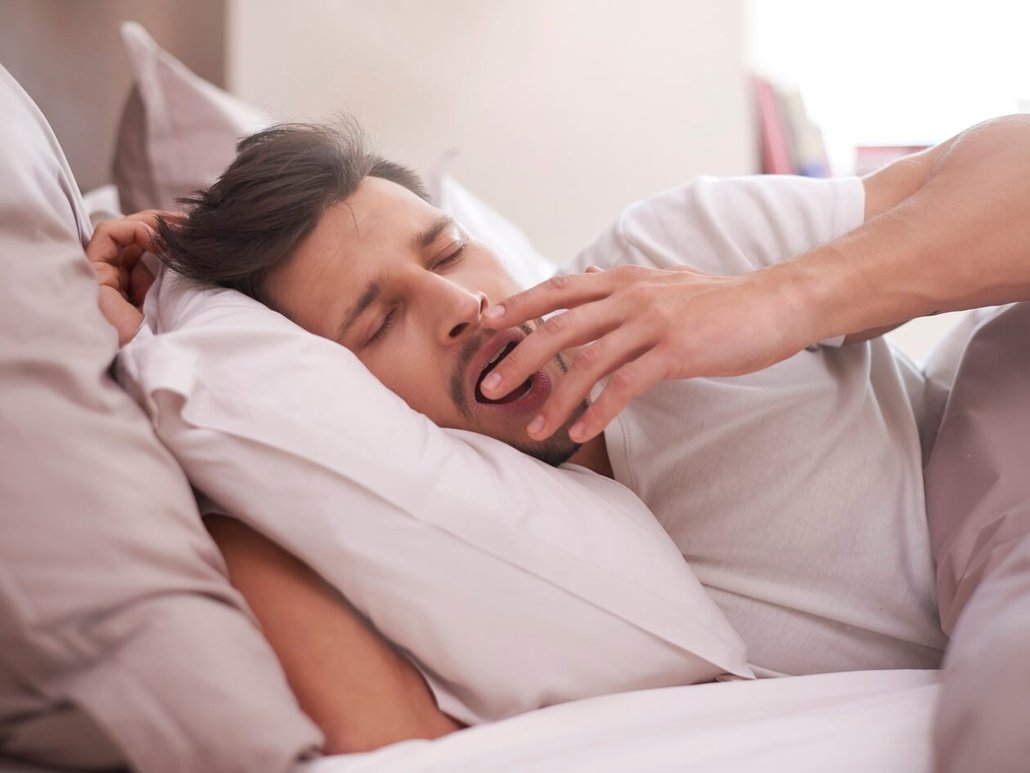
https://pulmonaryassociatesofbrandon.com/wp-content/uploads/2017/12/Parasomnias.jpg 948 1263 admin https://pulmonaryassociatesofbrandon.com/wp-content/uploads/2026/10/logotipo.png admin2017-12-25 14:41:242026-10-27 22:18:27 Parasomnias 101: Exploding Head Syndrome (EHS)

Parasomnias 101: Sleep-Related Eating Disorder (SRED)

10 noviembre, 2017/in Sleep Disorders

You probably won’t find a person who’s never been caught eating late at night, especially if the fridge is full of scrumptious food and kind of beckons you to check it out. However, if you are regularly binge-eating at night and can’t fully control your nighttime routine, it’s time to seek professional help. Many people don’t know this, but the urge to binge-eat at night may signal a sleep-related eating disorder (SRED) that can be very dangerous for your overall health. Never heard of a sleep-related eating disorder? Don’t feel bad, most people haven’t. Here are the ins and outs:

What Is A Sleep-Related Eating Disorder (SRED)?

Sleep-related eating disorder is classified as parasomnia and is characterized by abnormal eating habits during the night time. Unlike nocturnal eating syndrome (NES), sleep-related eating disorder mostly affects people when they are partially or fully asleep and can’t control their actions.

During a sleep-related eating disorder attack, people can consume abnormal combinations of foods in substantially large amounts. On top of that, a person suffering from a sleep-related eating disorder will only partially remember that they were eating something at night.

Sometimes it may be challenging to wake up a person during an episode of SRED; instead, there’re high chances to arouse aggression and resistance.

Who Is At A Higher Risk For Sleep-Related Eating Disorder (SRED)?

While both males and females can suffer from SRED, women are often at higher risk, with 70% of all sufferers being female.

Additionally, people who suffer from any eating disorders like bulimia or purging disorder are just as exposed to the risk of getting a sleep-related eating disorder as other sleep disorder sufferers. For example, around half of SRED sufferers have had at least one other type of sleep disorder prior to obtaining a sleep-related eating disorder. Most often people who are exposed to sleepwalking, another type of parasomnias, have the highest chances to obtain SRED in the future.

Finally, some types of medications like hypnotic sleep medications, antidepressants, or antipsychotics may significantly increase the risk of developing a sleep-related eating disorder. 

Complications That May Arise From Sleep-Related Eating Disorder

If your sleep-related eating disorder occurs frequently enough, it can cause a number of unpleasant—and even dangerous—conditions. Some examples of the most common are:

  • Sleep-related injury
  • Stomach pain
  • Food poisoning
  • Weight gain
  • Increased risk of Type 2 Diabetes
  • Daytime tiredness from poor sleep

Symptoms Of Sleep-Related Eating Disorder

All sleep-related eating disorder attacks occur at earlier stages of your sleep cycle and can include:

  • Nighttime eating and drinking out of control
  • Partial or no memory of the episode the next day
  • Trouble being awakened during SRED episodes
  • Injuries during SRED episodes
  • Eating bizarre food combinations that a person’s body is not used to

How Are Sleep-Related Eating Disorders Treated?

After an initial interview with your doctor, who will ask detailed questions about your daily and nightly routine, you’ll probably be invited to stay one or more nights at a sleep center in order to monitor your brain activity at night. Once your brain activity is measured and analyzed, your sleep doctor will find an appropriate treatment aimed at addressing the factors that trigger your sleep-related eating disorder. For example, if you suffer from another food-related disorder, your treatment will include a therapy towards both disorders, which will help mitigate the effects of each.

https://pulmonaryassociatesofbrandon.com/wp-content/uploads/2017/11/Parasomnias-Sleep-Related-Eating.jpg 948 1263 admin https://pulmonaryassociatesofbrandon.com/wp-content/uploads/2026/10/logotipo.png admin2017-11-10 20:09:072026-10-27 22:20:01Parasomnias 101: Sleep-Related Eating Disorder (SRED)

Sleep Disorders 101: Parasomnias

29 septiembre, 2017/in Sleep Disorders

Parasomnias, just like most other sleep disorders, are always underrated. Ideally, if your sleep is normal and you don’t experience any sleep disorders, you should always wake up rested and full of energy. Yet, many of us complain about feeling sleepy every single day, blaming anything and everything – work, kids, those noisy neighbors, stress – but never consider that there could be a medical reason for our fatigue. The sad fact is that many of us have one type of parasomnia or another without even knowing it.

What Are Parasomnias?

The term “parasomnia” refers to an entire group of sleep disorders that cause numerous troubles while you are falling asleep, sleeping, or waking up. Parasomnias include irregular physical or verbal activities and can be disruptive to both the person experiencing parasomnias and the bed partner.

The most dangerous aspect is that you remain asleep during all activities and don’t recall anything disturbing in the morning. Most common parasomnias are sleepwalking, sleep terrors, sleep-related eating disorders, confusional arousals, nightmare disorders, sleep paralysis, bedwetting, sleep hallucinations and sleep talking.

When Do Parasomnias Occur?

Parasomnias can be experienced at all stages of sleep and have different symptoms depending on which sleep cycle they occur during. If they occur while you are falling asleep, you may experience hallucinations or sleep paralysis, where you still feel awake but can’t really move. Once you are already asleep, parasomnias often present as abnormal dream-enacting behaviors. When you are waking up, you might have hallucinations or sleep-related eating disorders.

What Causes Parasomnias?

There are a number of different risk factors that might contribute to parasomnia development. Some of the most common are the following:

  • Age: Age would certainly be an important factor since parasomnias like bedwetting and sleepwalking often occur during childhood.
  • Stress: Stress is also a heavy contributor to different types of parasomnias like sleepwalking, night terrors, sleep-related eating disorders, sleep paralysis and more. 
  • Genetics: Additionally, genetics can play a huge role. If your parents struggle with any types of parasomnia, you are most likely to have them as well.
  • Drug and alcohol abuse: It will not only ruin your liver but also cause a whole bouquet of new parasomnias and definitely worsen any existing ones.
  • Medicine: No matter how effective your medications are, some of them may have various types of parasomnias as a side effect.
  • PTSD: Post-traumatic stress disorder (PTSD) is frequently associated with a type of parasomnias like nightmare disorder. Almost ⅘ of PTSD patients would experience nightmare disorder during at least 2-3 months after the trauma.

What Are The Types Of Parasomnias?

There are two main types of parasomnias, which are classified by sleep cycle they occur at: NREM and REM parasomnias. NREM parasomnias occur earlier at night, while REM parasomnias occur at later stages of the sleep cycle.

NREM parasomnias include, but are not limited to:

  • Sleep talking (somniloquy)
  • Sleepwalking (somnambulism)
  • Sleep-related eating disorder (SRED)
  • Sleep-sex (sexsomnia)
  • Sleep terrors (pavor nocturnus)
  • Confusional arousals
  • Exploding head syndrome (EHS)
  • Teeth grinding (bruxism)
  • Restless legs syndrome (RLS)

REM parasomnias include, but are not limited to:

  • Sleep paralysis
  • Breath-holding (catathrenia)
  • REM sleep behavior disorder (RBD)
  • Nightmare disorder

When Should I Visit The Doctor?

Although it’s not uncommon to experience some type of sleep disorder from time to time, especially during a time of extreme stress, some symptoms require immediate medical attention. Make sure you visit the doctor if your sleep behavior is negatively affecting you or others.

In addition, you can take a short Epworth Sleep Scale test to figure out if your sleepiness is beyond the normal range of healthy adults. And, of course, if you experience any abovementioned symptoms, don’t hesitate to contact our Florida Sleep Disorder Center. For over 30 years of practice, our team has helped thousands of patients with sleep disorders and will be happy to help you!

https://pulmonaryassociatesofbrandon.com/wp-content/uploads/2018/06/Somniloquy.jpg 948 1263 admin https://pulmonaryassociatesofbrandon.com/wp-content/uploads/2026/10/logotipo.png admin2017-09-29 16:08:292026-10-26 21:32:42Sleep Disorders 101: Parasomnias

Search

Search Search

Table of Content

Categories

Archive

Search

Search Search

Where Quality Care is Just a Breath Away!

  • Privacy Policy

Menu

  • Welcome
  • Services
    • Lung health services
    • Sleep Medicine
  • Patients
  • Our Team
    • FAQ
  • News
  • About us
  • Contact

Opening Hours

Mo-Fr: 8:00-22:00
Sa: 8:00-24:00
So: 8:00-14:00

Call us or send a message

To request an appointment.
Call 813-681-4413, ext. 227.

Not for emergencies. If you are having a medical emergency, call 911. For urgent concerns, call our office at 813-681-4413.

Scroll to top Scroll to top Scroll to top