
floridachest
  • Welcome
  • Services
    • Lung health services
    • Sleep Medicine
  • Patients
  • Our Team
    • FAQ
  • News
  • About us
  • Contact
  • en English
    • en English
    • es Español
  • Menu Menu
  • Welcome
  • Services
    • Lung health services
    • Sleep Medicine
  • Patients
  • Our Team
    • FAQ
  • News
  • About us
  • Contact

Tag Archive for: oxygen therapy

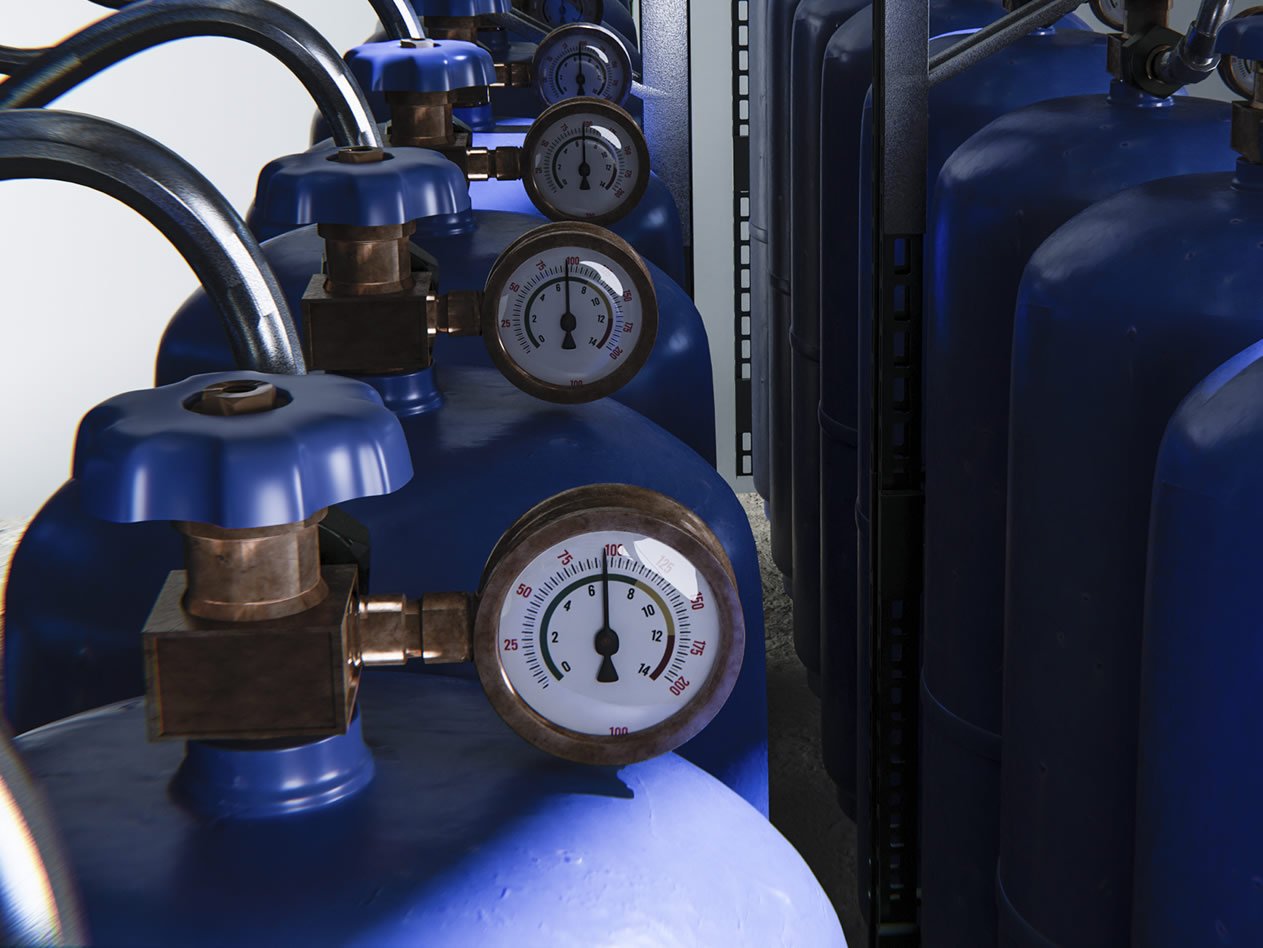
5 Tips For Traveling With Oxygen
9 octubre, 2018/in For Pulmonary Patients

Air travel is stressful at the best of times, but it can be nearly impossible for patients with pulmonary hypertension since traveling at high altitudes can cause a decrease in oxygen level in the blood. For some patients, air travel may be out of the question altogether, but this is not always the case. If you or someone you know has pulmonary hypertension and/or uses an oxygen tank to breathe, don’t discount booking a flight just yet. First, speak to a pulmonary physician to check whether it is safe for you to travel. If the answer is yes, then be sure to follow these 5 tips for traveling with oxygen and pulmonary hypertension.

Tips For Traveling With Oxygen

1. Get A Letter From Your Doctor

If your pulmonary specialist deems you fit to travel by plane, be sure to ask them for a letter that describes your medical requirements for travel at high altitudes. This letter will help you obtain supplemental oxygen and streamline your security checkpoint and boarding process.

2. Complete Airline-Specific Forms

Before you book your ticket, make sure to check the airline’s policy on traveling with oxygen tanks. Certain airlines may require specific paperwork to be filled out by you or your doctor and to be brought on the date of the flight. Make sure you book your flight with enough time for your doctor to fill out the paperwork and get it back to you.

3. Arrive Early & Board Early

Even with perfectly laid out plans, getting through an airport oftentimes takes a lot longer than we expect. That is why it’s a good idea to get to the airport a few hours in advance, especially if you’re going to be bringing medical equipment and supplies. Once you’re at your gate, feel free to ask the attendants about pre-boarding. Doing this will ensure that you have enough room in the overhead compartment for your carry-on bags since your oxygen tank will be at your feet.

4. Rent or Buy a Portable Oxygen Concentrator

A portable oxygen concentrator, also known as a POC, can help patients keep their blood oxygen level high while flying at a high altitude. This equipment is vital to bring onboard since most airlines don’t provide medical oxygen. These devices can be rented or bought through your regular oxygen supplier.

5. Charge Your Batteries

When flying with medical equipment, be sure to bring charged batteries and extra batteries, just in case. The Federal Aviation Administration actually requires that anything being used throughout a flight have a battery life that lasts at least 150 percent of the flight time, so be sure to bring your equipment fully charged and pack a few extra batteries as well.

More Information

Having pulmonary hypertension doesn’t immediately disqualify someone from being able to plan an air trip, it simply takes a few extra steps to ensure the person’s safety. If you would like to be seen by one of our pulmonary specialists to determine whether you are safe to travel (or to stay in a hotel in the mountains), contact us today to book an appointment, we’ll do our best to get you there safely.


https://pulmonaryassociatesofbrandon.com/wp-content/uploads/2018/10/Oxygen.jpg 948 1263 admin https://pulmonaryassociatesofbrandon.com/wp-content/uploads/2026/10/logotipo.png admin2018-10-09 18:17:002026-10-27 18:57:475 Tips For Traveling With Oxygen

What Is Oxygen Therapy?

3 octubre, 2018/in For Pulmonary Patients, Lung health

Did you know that the air we breathe contains only 20% oxygen? While this amount is generally sufficient for a regular person, people with chronic lung or breathing conditions may find it extremely low. Therefore, when blood oxygen levels are low, you may feel shortness of breath, fatigue or confusion.

Furthermore, in the long term, lack of oxygen in the blood can pose serious health risks, that are better to be prevented than treated. That’s why oxygen therapy was created for people to deliver oxygen to their bloodstream. Let’s take a look at oxygen therapy, how it works, who needs it, the benefits and what it’s used for:

What is Oxygen Therapy?

Oxygen therapy is a treatment that provides additional oxygen to patients who struggle to obtain enough. As you may know, different diseases and ailments can cause a person to not receive enough oxygen. Because of this, oxygen therapy is a viable solution for those people to receive the oxygen their bodies need to function normally.

Who needs Oxygen Therapy?

Simply feeling shortness of breath isn’t always a qualifier for needing oxygen therapy. It’s likely your doctor will require blood tests to study the amount of oxygen in your blood levels. Once your doctor can definitively determine that your blood levels are low, he or she may then recommend you oxygen therapy, whether long-term or for a short period of time.

What are the symptoms of low oxygen?

When you aren’t receiving enough oxygen, you may experience one or more symptoms including rapid breathing, shortness of breath, increased heart rate, wheezing, sweating, and fatigue. These symptoms can negatively impact your daily habits and overall quality of life.

How does Oxygen Therapy work?

The oxygen is usually administered through a breathing tube, a mask or nasal prongs. People with chronic breathing problems may also receive a portable oxygen tank so that they may have access to the oxygen anywhere outside the clinic. There are a few different oxygen therapies that can be prescribed based on a patient’s analysis results, including oxygen gas, liquid oxygen, oxygen concentrators and hyperbaric oxygen therapy.

What is Hyperbaric Oxygen Therapy?

In hyperbaric oxygen therapy, you will breathe pure oxygen in a pressurized room or through a pressurized tube, allowing your lungs to gather more oxygen than they normally do. In this pressurized room—or hyperbaric chamber—the air pressure is increased up to four times the normal air pressure level.

What is Hyperbaric Oxygen Therapy used for?

Hyperbaric oxygen therapy can be used to treat many different serious infections, wounds and more. Just a few include:

  • Severe anemia
  • Brain abscess
  • Arterial gas embolism
  • Burn
  • Decompression sickness
  • Crushing injury
  • Gangrene
  • Infection of skin or bone
  • Nonhealing wounds
  • Radiation injury

Benefits of Oxygen Therapy

Both oxygen therapy and hyperbaric oxygen therapy deliver incredible benefits to those being treated. When administered regularly or until the doctor deems necessary, oxygen therapy can aid in easier breathing, increase exercise tolerance, improve sex life, and facilitate to safer air travel. Additionally, oxygen therapy can reduce the complications associated with COPD, pulmonary hypertension, heart failure and more by relieving shortness of breath, fatigue, and dizziness. On top of that, for COPD patients, oxygen therapy can even prolong life.

Many people need long-term oxygen therapy to prolong a normal, active life, as oxygen therapy assists in making everyday activities easier and more pleasant. If you feel constant shortness of breath, fatigue, dizziness, or have any chronic lung conditions, don’t hesitate to contact our center to see if oxygen therapy can be helpful for your particular condition.

https://pulmonaryassociatesofbrandon.com/wp-content/uploads/2018/10/Oxygen-Therapy.jpg 948 1263 admin https://pulmonaryassociatesofbrandon.com/wp-content/uploads/2026/10/logotipo.png admin2018-10-03 18:17:002026-10-27 18:59:21What Is Oxygen Therapy?

3 Ways A Pulmonologist Can Help You If You’ve Experienced Asbestos Exposure

16 agosto, 2018/in For Pulmonary Patients, Lung health

In the 20th century, pulmonary problems due to asbestos or other toxic chemical exposure were fairly common. For many people – especially those working in the milling or mining industry, construction, insulation, or as builders – exposure to asbestos, sawdust, and other airborne toxic chemicals was an unfortunate but unavoidable occupational hazard.

Nowadays, thanks to health codes, regulations, and increased medical knowledge, many avoidable cases of asbestosis have been prevented. That being said, there are still certain professions where asbestos exposure is a potential concern, primarily for demolition workers, firefighters, automobile workers, drywall removers, and asbestos removers.

Lung Disease And Asbestos Exposure

The lung disease caused by the inhalation of asbestos, or asbestos exposure, is called asbestosis. The symptoms for asbestosis include coughing, chest pain, bloody sputum, difficulty swallowing, neck or facial swelling, decreased appetite, and weight loss. If you are experiencing these symptoms, then you should see a pulmonologist. Pulmonologists have the specific skills and training necessary to diagnose and treat asbestosis and other lung diseases that are caused by the inhalation of toxic chemicals.

How To Test For Exposure To Asbestos

Pulmonary Function Tests, also referred to as PFTs, is an umbrella term to refer to a litany of tests that test and measure lung function. These tests measure how much air you can take into your lungs, how much air you can blow out of your lungs and how fast you can do it, how well your lungs deliver oxygen to your blood, and the strength of the muscles used for breathing.

PFTs can include simple screening spirometry, formal lung volume measurement, diffusing capacity for carbon monoxide, and arterial blood gases. These studies may collectively be referred to as a complete pulmonary function survey. These tests may not show exactly what is causing pulmonary problems, but they will measure how well your lungs are functioning. In order to find causes, a pulmonologist may order chest x-rays or CT scans.

How To Treat Lung Disease From Asbestos Exposure

Oxygen Therapy: A pulmonologist might give you oxygen therapy as an asbestosis treatment depending on your PFT results. Oxygen therapy is a treatment procedure that provides a patient with extra oxygen. Normally, your lungs absorb oxygen from the air you breathe and pass it into your bloodstream, but conditions such as asbestosis can stop your lungs from passing enough oxygen to your blood. This can cause serious problems, so pulmonologists provide supplemental oxygen in the form of oxygen therapy.

Medication: Sometimes a pulmonologist will prescribe medications that will thin secretions and open up airways. These medications should clear up any buildup due to secretions in the lungs or airways, and therefore help the patient breathe easier. In addition to these medications, pulmonologists may also prescribe pain relievers or antibiotics to help fight off infections.

More Information

The experts at Pulmonary Associates of Brandon are equipped to diagnose and treat a variety of pulmonary diseases and conditions such as asthma, bronchitis, acute and chronic respiratory failure, lung cancer, pulmonary hypertension, lung infections, chronic obstructive pulmonary disease (COPD), and sleep disorders. They can help you determine what is causing your breathing problems, and prescribe the best treatment plan to correct or reduce your symptoms. The team of highly specialized physicians will know the best way to diagnose and treat any disorders that are caused from the inhalation of asbestos, sawdust, or toxic chemicals. To visit them or schedule an appointment, contact us today

https://pulmonaryassociatesofbrandon.com/wp-content/uploads/2018/08/Asbestos-Exposure.jpg 948 1263 admin https://pulmonaryassociatesofbrandon.com/wp-content/uploads/2026/10/logotipo.png admin2018-08-16 14:41:512026-10-27 19:59:023 Ways A Pulmonologist Can Help You If You’ve Experienced Asbestos Exposure

Search

Search Search

Table of Content

Categories

Archive

Search

Search Search

Where Quality Care is Just a Breath Away!

  • Privacy Policy

Menu

  • Welcome
  • Services
    • Lung health services
    • Sleep Medicine
  • Patients
  • Our Team
    • FAQ
  • News
  • About us
  • Contact

Opening Hours

Mo-Fr: 8:00-22:00
Sa: 8:00-24:00
So: 8:00-14:00

Call us or send a message

To request an appointment.
Call 813-681-4413, ext. 227.

Not for emergencies. If you are having a medical emergency, call 911. For urgent concerns, call our office at 813-681-4413.

Scroll to top Scroll to top Scroll to top