floridachest
  • Welcome
  • Services
    • Lung health services
    • Sleep Medicine
  • Patients
  • Our Team
    • FAQ
  • News
  • About us
  • Contact
  • en English
    • en English
    • es Español
  • Menu Menu
  • Welcome
  • Services
    • Lung health services
    • Sleep Medicine
  • Patients
  • Our Team
    • FAQ
  • News
  • About us
  • Contact

Tag Archive for: lung facts

6 Things You Didn’t Know About COPD

26 junio, 2017/in For Pulmonary Patients, Lung health

Chronic Obstructive Pulmonary Disease, more commonly known as COPD, is caused by inhaling pollutants, second-hand smoke, and genetics. Signs of COPD are breathlessness, wheezing and constant coughing, and tightness in the chest. These symptoms can easily be confused with a simple cold or just the effects of getting older, but COPD can get worse as time goes on and is highly recommended to get treated. 

If diagnosed with COPD, do not get discouraged. There are many treatments and ways to slow progression. It is a growing disease that doctors are very familiar with, so you should never feel as if your case is a lost cause.

Read More: Can I Still Get COPD If I Don’t Smoke?

You may have heard the acronym before, but here are 6 things you didn’t know about COPD:

  1. Almost 12 million Americans have been diagnosed with the disease.
  2. It kills 120,000 people in America every year. This places it as the third leading cause of death in the country.
  3. A healthy diet can actually help lower your risk for getting COPD later in life. Eat foods that are rich in omega 3 fatty acids, antioxidants, and vitamins A, C, and E.
  4. Working out and getting regular exercise can help lower your risk or improve symptoms if you have already been diagnosed. During the exercise, you could experience heavy coughing and aggravation, but it helps in the long term.
  5. Although smokers are at a higher risk, all people over 40 can be affected and should talk to their doctors if any symptoms are experienced.
  6. Emphysema goes hand in hand with COPD and is a lung disease with the same symptoms.

 If you or someone you know is worried about their lung health, seeing a pulmonologist is always a good idea. A pulmonologist is a specialized doctor that treat a numerous amount of lung diseases and can give patients options on how to reduce symptoms that might be putting a hold on their day to day life.

https://pulmonaryassociatesofbrandon.com/wp-content/uploads/2018/09/Pulmonary-Services.jpg 948 1263 admin https://pulmonaryassociatesofbrandon.com/wp-content/uploads/2026/10/logotipo.png admin2017-06-26 17:17:002026-10-26 21:54:526 Things You Didn’t Know About COPD

4 Ways To Improve Your Lung Functioning

26 mayo, 2017/in For Pulmonary Patients, Lung health

The lungs are a vital part of the body, and maintaining lung health is one of the most important ways to take care of your body. Taking care of your lungs is easy and simple; there are a number of ways to improve your lung functioning in your everyday life. But first, let’s take a look at what the lungs are and what they do.

What do lungs do?

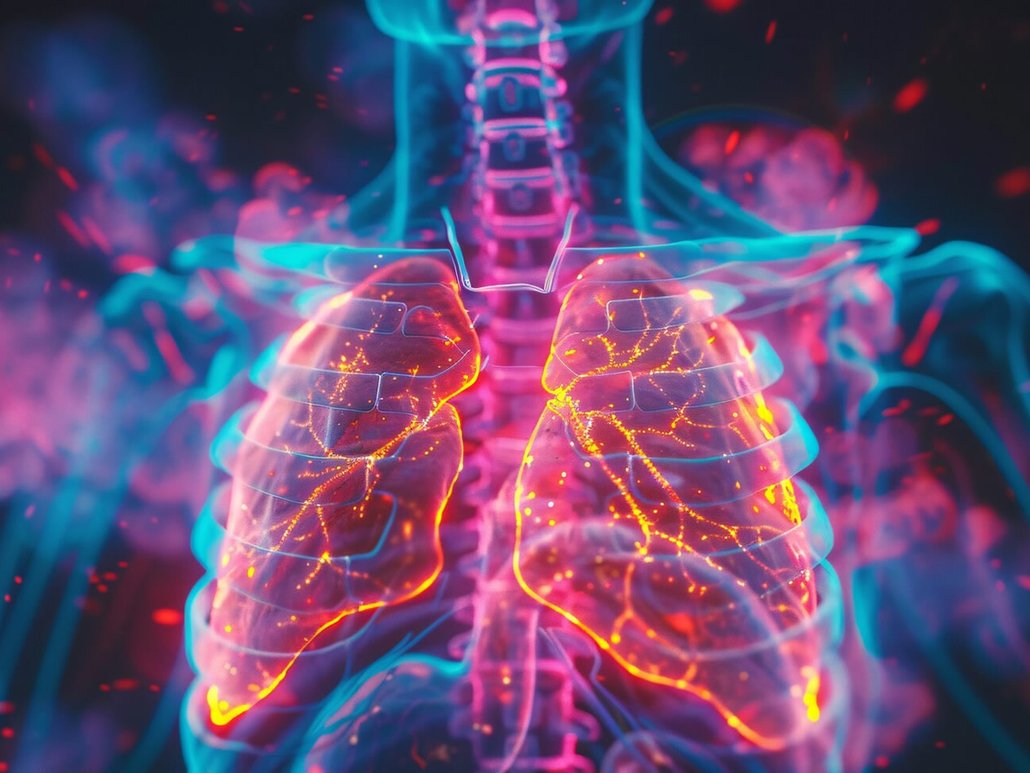
Your lungs are essential respiratory organs. They are located on either side of the heart near your backbone. The primary function of the lungs is to absorb oxygen from the air you breathe and transport it into your bloodstream. They also transport carbon dioxide from your blood and release it into the atmosphere through exhalation. In just one day the average person breathes 25,000 times, so the lungs are always working at their vitally important job. Having healthy lungs is absolutely key to being in good health.

How can I improve my lung functioning?

1. Quit Smoking: At this point, it is common knowledge that smoking is harmful to your body and especially your lungs. Keeping in mind how vital your lungs are for maintaining good health, smoking seems especially dangerous. And it isn’t just cancer, smoking can also narrow your air passageways, therefore, decreasing the air that you can breathe in and limiting oxygen flow to your blood. This can also make it difficult or uncomfortable to breathe. It can be extremely difficult to stop smoking, but your lungs will thank you for it.

2. Aerobic Exercise: Dr. Catherine Phillips MD says that, “aerobic exercise increases your lung volume and aerobic capacity.” Aerobic exercise is often referred to as “cardio,” and it is defined as exercise that requires pumping of oxygenated blood by the heart to working muscles over a sustained period of time. Aerobic exercise raises your heart rate to a certain level and then the heart rate stays near there for the duration of the exercise. Examples of aerobic exercise are running, swimming, cycling, rowing, etc. Anaerobic exercises are characterized by short bursts of intensity such as power lifting and short sprints.

3. Concentrated Deep Breathing: Three to five minutes of concentrated deep breathing done once or multiple times throughout the day can drastically improve lung function. Just inhale for six seconds and exhale for eight. This simple exercise can increase the oxygen in your blood, decreases the heart rate, and helps both your pulmonary and cardiovascular systems.

4. Improve Indoor Air: If the air in your home is dirty or contains chemicals or mold, then your lungs might be hurting for some clean oxygen. Oxygen is essential to lung functioning, and adding an air purifier or a few houseplants to your living space can clean up the air and allow you to breathe easier. Not only do plants turn carbon dioxide in the atmosphere into breathable oxygen, they also filter out some harmful organic compounds such as formaldehyde and benzene. Simple houseplants are like all-natural air filters, not to mention they are great decorations for any room!

Regular Pulmonologist Appointments

Maintaining regular health care is key to happy and healthy lungs. The experts at Pulmonary Associates of Brandon are equipped to diagnose and treat a variety of pulmonary diseases and conditions such as asthma, bronchitis, acute and chronic respiratory failure, lung cancer, pulmonary hypertension, lung infections, chronic obstructive pulmonary disease (COPD), and sleep disorders. The team of highly specialized physicians will know the best way to diagnose and treat any disorders of the lungs and can keep you informed about the general health of your lungs.

https://pulmonaryassociatesofbrandon.com/wp-content/uploads/2017/05/breathe.jpg 948 1263 admin https://pulmonaryassociatesofbrandon.com/wp-content/uploads/2026/10/logotipo.png admin2017-05-26 19:59:372026-10-27 22:27:164 Ways To Improve Your Lung Functioning

Lung Facts

7 abril, 2017/in For Pulmonary Patients, Lung health

The respiratory system is made up of several organs and structures, including the lungs, windpipe, diaphragm, and alveoli. It is responsible for taking in oxygen and expelling carbon-dioxide waste. But you probably knew that. What you may not know is that you take approximately 22,000 breaths every 24 hours. And that when you exhale, you also release up to 17.5 milliliters (0.59 fluid ounces) of water per hour. Here are 8 more interesting facts about the lungs:

  • The lungs are the only organ that can float on water.  Each of your lungs contains about 300 million balloon-like structures called alveoli, which replace the carbon-dioxide waste in your blood with oxygen. When these structures are filled with air, the lungs become the only organs in the human body that can float. In fact, medical examiners use the so-called “lung float test” during autopsies to determine if a baby was stillborn (died in the womb). If the lungs float, the baby was born alive; if the lungs don’t float, the baby was stillborn. This method is accurate 98 percent of the time, according to a 2013 study in the International Journal of Legal Medicine.
  • Your left and right lungs aren’t exactly the same. The lung on the left side of your body is divided into two lobes while the lung on your right side is divided into three. The left lung is also slightly smaller, allowing room for your heart.
  • Can you live without one lung? Yes, you can, it limits your physical ability but doesn’t stop you from living a relatively normal life. Many people around the world live with just one lung.
  • People who have a large lung capacity can send oxygen around their body faster. You can increase your lung capacity with regular exercise.
  • An average person breathes in around 11,000 liters of air every day.
  • The study of lung diseases is known as pulmonology.
  • Asthma is a common disease that affects the lungs. Asthma attacks happen when your airways narrow after being irritated. The narrow airways make it hard for you to breathe in air.  However, between the 1930s and 1950s, it was commonly thought that asthma was a psychological problem. Therapists even interpreted a child’s asthmatic wheezing as a suppressed cry for his or her mother, according to a 2005 article in the journal Clinical Practice & Epidemiology in Mental Health.
  • Chest movement during breathing isn’t the result of air movement. When you breathe in, our chest swells; when you breathe out, our chest collapses. But these chest movements are not actually the result of air filling up or exiting the lungs.During inhalation, the diaphragm — a thin sheet of dome-shaped muscle that separates the chest and abdominal cavities — contracts and moves down, increasing the space in the chest cavity. At the same time, the muscles between the ribs contract to pull the rib cage upward and outward. During exhalation, the exact opposite happens.
https://pulmonaryassociatesofbrandon.com/wp-content/uploads/2017/04/respiratory-system.jpg 948 1263 admin https://pulmonaryassociatesofbrandon.com/wp-content/uploads/2026/10/logotipo.png admin2017-04-07 17:24:502026-10-27 22:33:03Lung Facts

Search

Search Search

Table of Content

Categories

Archive

Search

Search Search

Where Quality Care is Just a Breath Away!

  • Privacy Policy

Menu

  • Welcome
  • Services
    • Lung health services
    • Sleep Medicine
  • Patients
  • Our Team
    • FAQ
  • News
  • About us
  • Contact

Opening Hours

Mo-Fr: 8:00-22:00
Sa: 8:00-24:00
So: 8:00-14:00

Call us or send a message

To request an appointment.
Call 813-681-4413, ext. 227.

Not for emergencies. If you are having a medical emergency, call 911. For urgent concerns, call our office at 813-681-4413.

Scroll to top Scroll to top Scroll to top